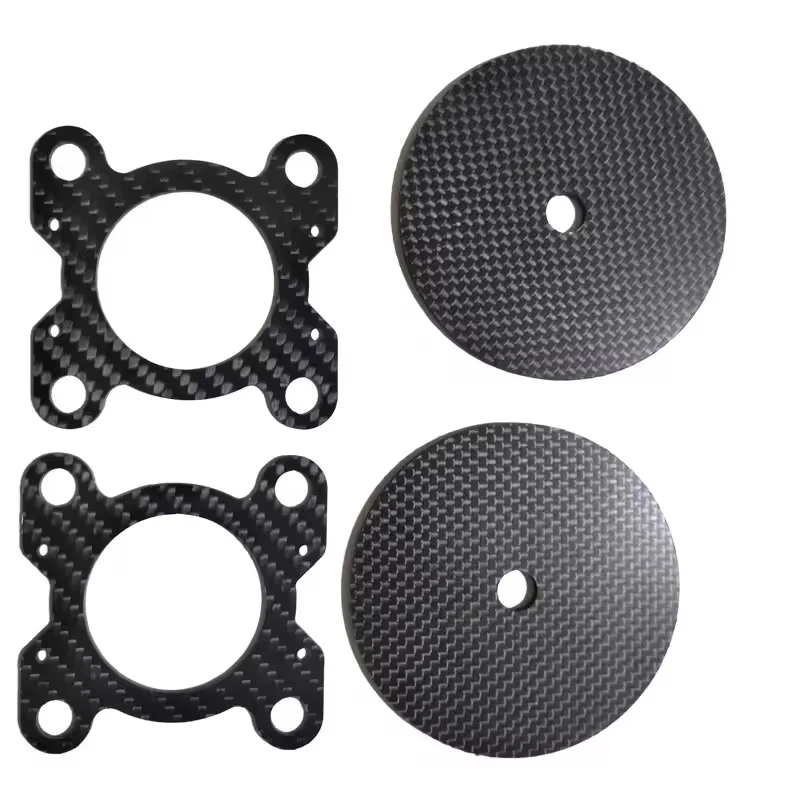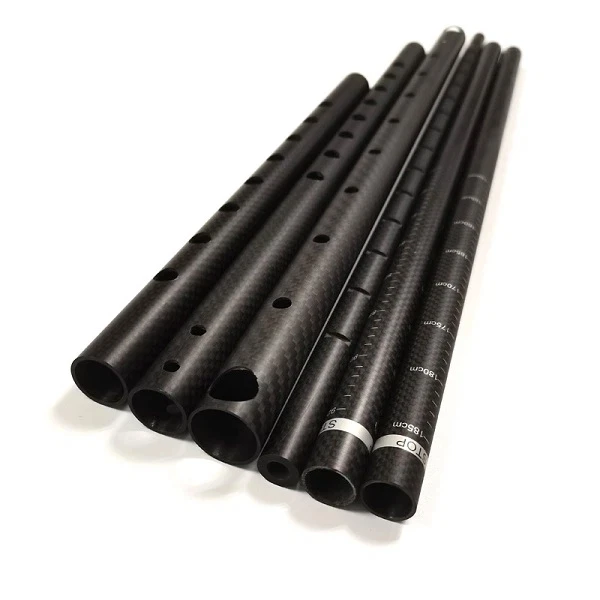

If your business makes, sells, or buys carbon fiber products from China, this year calls for better control.
Trade is still moving. But the business environment is less forgiving than before. Three forces are now hitting the market at the same time: war risk in the Middle East, higher pressure on shipping and energy costs, and tighter export-control enforcement around dual-use items.
1. Why the global situation matters
As of April 20, 2026, the U.S.-Iran conflict is not fully settled. Reuters reported that the U.S. seized an Iranian cargo ship, Iran threatened retaliation, and the ceasefire remained fragile. Reuters also reported that oil jumped more than 5% on renewed tension. For exporters and importers, that matters because higher energy prices often lead to higher freight, insurance, and production costs.
The IMF says the main ways this conflict spreads into the world economy are energy prices, supply chains, and financial markets. That is a useful summary for trade teams. In plain language, it means shipments can cost more, take longer, and become harder to plan.
China’s overall trade numbers still look strong. Official data showed that in the first quarter of 2026, China’s goods exports rose 11.9% year on year to 6.85 trillion yuan, while total trade rose 15%. So this is not a story of trade stopping. It is a story of trade becoming harder to manage well.
2. Why carbon fiber companies should pay attention
Fibra de carbono is a technical business. That means classification and customer review matter more than they do in many simpler product categories.
China’s official dual-use directory makes a key point on page one: a license may still be required even when the customs code is not listed, if the item falls within the controlled scope. In other words, HS code alone is not enough. The product itself, the way it is described, and the rules that apply to it all matter.
For carbon fiber businesses, this matters because the relevant parts of the official list do not focus only on one basic raw material description. In the composite area, the list also covers selected tubular composite structures, filament winding machines, tape-laying machines, equipment used for prepreg and preform production, and tooling or fixtures used in pressing, curing, casting, hot pressing, or bonding composite structures and laminates. The document also makes clear that the control framework applies to items and technologies, not only physical goods.
That does not mean every carbon fiber product is controlled. It does mean a carbon fiber company should not rely on a simple label such as “industrial use” or “civil use” without doing a real review first. This is a business judgment based on how the official list is written.
3. What the policy direction looks like
The broader policy direction is clear. In January 2026, MOFCOM tightened controls on dual-use exports to Japan and said exports of all dual-use items are prohibited to Japanese military users, military uses, and other end users or end uses that help increase Japan’s military strength. In February 2026, MOFCOM said 20 Japanese entities were added to a restricted namelist and 20 more were placed on a watch list with stricter review requirements.
For exporters and importers, the lesson is simple: export control is moving beyond product names alone. End user, end use, and transfer risk matter more than before. Even when a shipment looks normal on paper, the transaction may still need a closer look if the product, customer, or destination raises questions. This is an inference from the official notices.
4. The main risk areas for carbon fiber trade
There are four practical risk areas.
Product risk.
A product may look ordinary in sales language but still need review because of its structure, production method, or connection to controlled composite equipment or technologies.
Customer risk.
The buyer may not be the final user. The goods may move through one country and end up in another. That is why customer checks matter earlier in the sales process.
Technical-file risk.
Many composite companies do not sell only goods. They also share process details, drawings, tooling information, or operating instructions. The official framework covers items and technologies, so technical information deserves review too.
Cost and timing risk.
Even when a shipment is compliant, war tension can still hurt margins through higher oil, freight, insurance, and delay costs.
5. What exporters should do now
The best response is not panic. It is structure.
Build a simple internal product map
Put products into three groups: low risk, review needed, and high risk. This helps sales, operations, and management work from the same page. For a carbon fiber company, this review should look not only at the finished product, but also at whether the order involves composite structures, specialized production equipment, or related technologies.
Check the end user earlier
Do not wait until goods are ready to ship. Ask early who will use the product, in which country, and for what kind of project. The earlier you check, the lower the chance of a last-minute problem. This is especially important in a policy environment that now places more weight on end-user and end-use review.
Review technical files as part of the order
For composite businesses, product review should include more than the shipment itself. It should also include drawings, process files, tooling information, and other technical documents when they are part of the deal.
Add more buffer to price and delivery
In a stable market, a very tight quote may look efficient. In a risk market, it can become a problem. Build more room into freight, insurance, delivery dates, and quote validity. The current energy and shipping environment makes that a practical move, not an overly cautious one.
Speak clearly with overseas buyers
Overseas buyers want stable suppliers. A strong message in 2026 is simple: your company is checking classification more carefully, reviewing end use earlier, and planning delivery more conservatively. That builds trust. It shows that your company is serious and prepared. This is business advice based on the current market and policy environment.
6. What importers from China should do
Importers should also change their process.
Ask suppliers earlier whether the order includes specialized composite structures, production equipment, or technical documentation that may need review. Do not assume that a normal-looking industrial product is always low risk. Ask who inside the supplier handles export-control review, and build more time into your own purchasing plan.
7. The bottom line
For carbon fiber exporters and importers, 2026 is still a year of opportunity. But it is also a year that rewards discipline.
The Iran crisis raises cost and delay risk. China’s dual-use framework raises review and compliance risk. Together, they do not mean trade should stop. They mean trade should be handled more carefully.
The best companies this year will not only move fast. They will know their products better, check their customers earlier, and control technical information more carefully.
That is what strong trade looks like in 2026.