

For short and low-cost outdoor tools, aluminum is often enough. But for long telescoping poles used in fruit picking, rescue, cleaning, inspection, camera support, or tripod systems, carbon fiber usually offers better weight, stiffness, and control.
The best choice depends on working length, end load, user fatigue, outdoor environment, and target price.
This guide compares carbon fiber and aluminum telescoping poles from a practical buyer’s point of view. It is written for OEM brands, product developers, distributors, and outdoor tool companies that need to choose the right material before production.
Overview: Which Material Should You Choose?
The right material depends on how long the pole is, what it carries, and how the user handles it.
Aluminum has been used in outdoor poles for many years. It is easy to process, cost-effective, and suitable for many general-use products. For short garden poles, basic tripod legs, or low-cost consumer tools, aluminum can be a good choice.
Fibra de carbono is different. It is lighter, stiffer, and better for long-reach tools where the user needs better control. When the pole is fully extended, the user does not only feel the material weight. They also feel the leverage. This is why carbon fiber becomes more valuable as the pole gets longer.
For example, a 1.5-meter aluminum pole may feel fine. But a 5-meter or 8-meter aluminum telescoping pole can feel heavy, flexible, and tiring when used above shoulder height. In this situation, carbon fiber can improve the final product experience.
In simple terms:
-
Choose aluminum when the product is short, simple, and price-sensitive.
-
Choose carbon fiber when the product needs long reach, low weight, better stiffness, and better control.
This does not mean carbon fiber is always better. It means carbon fiber is often the better choice for professional or premium outdoor telescoping tools.
Quick Comparison: Carbon Fiber vs Aluminum Telescoping Poles
A simple comparison helps buyers understand the main difference between the two materials.
| Factor | Carbon Fiber Telescoping Poles | Aluminum Telescoping Poles |
|---|---|---|
| Peso | Very light, better for long reach | Heavier when the pole gets longer |
| Rigidez | Elevada relación rigidez/peso | Good for short poles, less stable at long length |
| User Fatigue | Lower fatigue during overhead use | Puede resultar agotador si se utiliza durante mucho tiempo |
| Tip Control | Better control when fully extended | More bending and shaking at long length |
| Vibration | Better damping | More vibration transfer |
| Resistencia a la corrosión | Does not rust | Good, but surface can oxidize or wear |
| Impact Behavior | Strong, but may crack under sharp impact | May dent or bend after impact |
| Aspecto | Premium and technical look | Simple and practical look |
| Coste | Más alto | Baja |
| Mejor uso | Long, lightweight, premium outdoor tools | Short, simple, budget outdoor tools |
The main advantage of carbon fiber is not just weight reduction. It is the balance of weight, stiffness, and control.
The main advantage of aluminum is cost. It is still useful for many basic products where premium performance is not required.
Weight Difference in Long Outdoor Poles
Weight becomes more important as the pole gets longer.
Many buyers compare tube weight on paper. But in real use, a telescoping pole does not feel the same as a small tube sample. When the pole is extended, the weight is spread far away from the user’s hand. This creates leverage.
That is why a small weight difference can feel much larger during use.
For outdoor tools, this matters because the pole is often used above shoulder height. A worker may lift it many times in one day. A fruit picker may hold it over the head for several hours. A cleaner may use it to reach high windows or solar panels. A rescue worker may need to control the pole quickly in an urgent situation.
A lighter pole can help users:
-
Work for a longer time
-
Reduce arm and shoulder fatigue
-
Move the pole more easily
-
Control the tool tip with less effort
-
Carry the tool more comfortably
-
Improve overall working efficiency
For short poles, aluminum can be acceptable. But for long telescoping systems, carbon fiber often gives a much better user experience.
This is one reason carbon fiber is commonly used in premium cleaning poles, camera tripods, rescue tools, and inspection poles.
Why End Load Matters More Than Pole Weight Alone
The tool attached to the end of the pole can change the whole performance.
Many outdoor poles are not used as empty tubes. They often carry another tool at the end, such as a basket, hook, camera, brush, sensor, clamp, net, or cleaning head.
This is called end load or tip load.
End load is very important because it is far away from the user’s hand. Even a small tool at the end can make a long pole harder to control. When the pole is fully extended, the end load can increase bending, shaking, and fatigue.
Common end loads include:
-
Rescue hook
-
Solar panel cleaning head
-
Inspection camera
-
Testing sensor
-
Net or catching tool
-
Custom connector or adapter
For example, a fruit picker pole may feel light when empty. But after adding a fruit basket and using it at full length, the pole may bend more. If the pole is too flexible, the basket becomes hard to aim.
A rescue pole may need to carry a hook or ring at the end. If the pole bends too much, the user may lose control during an emergency.
An inspection pole may carry a camera or sensor. If the pole shakes, the image or reading may become unstable.
This is where carbon fiber has a strong advantage. Because it is light and stiff, it helps control the end load better than many aluminum poles of the same length.
For OEM projects, the end load should be considered before confirming the pole design. The tube diameter, wall thickness, number of sections, fiber layup, and locking system should all match the final tool.
Stiffness and Control at Full Extension
A long pole must stay stable when it is fully extended.
Stiffness is one of the most important differences between carbon fiber and aluminum telescoping poles.
A pole that bends too much is difficult to use. The tool tip may shake, move slowly, or feel delayed. The user may need more effort to place the tool exactly where they want.
This problem becomes more obvious when:
-
The pole is longer
-
The end load is heavier
-
The user works above shoulder height
-
The tool requires accurate positioning
-
The environment has wind or movement
Carbon fiber has a high stiffness-to-weight ratio. This means it can stay relatively stiff without becoming too heavy.
Aluminum can also be strong, but if the pole needs more stiffness, the wall may need to be thicker or the diameter may need to be larger. This can increase weight and make the product harder to use.
For outdoor tools, stiffness affects real performance.
A fruit picker pole needs enough stiffness to place the basket around the fruit. A cleaning pole needs enough stiffness to press and move the brush. A rescue pole needs enough stiffness to reach a person or object safely. A camera pole or tripod needs enough stiffness to reduce shaking.
For long working lengths, carbon fiber usually gives better control.
Material Recommendation by Pole Length
The longer the pole is, the more carbon fiber makes sense.
| Longitud del mástil | Suggested Material | Razón |
|---|---|---|
| Under 2 m | Aluminum or carbon fiber | Both can work well |
| 2–4 m | Depends on use | Carbon fiber is better for overhead or premium tools |
| 4–7 m | Carbon fiber preferred | Lower weight and better stiffness become important |
| Over 7 m | Carbon fiber strongly recommended | Weight, bending, and control become critical |
This table is a general guide, not a fixed rule.
A 3-meter aluminum pole may work well for a simple garden tool. But a 3-meter pole used with a heavy camera, basket, or brush may perform better with carbon fiber.
A 5-meter aluminum pole may be acceptable for occasional use. But if the user works with it every day, carbon fiber may reduce fatigue and improve control.
For poles over 7 meters, weight and bending usually become major problems. In many professional tools, carbon fiber is a better choice at this length.
Buyers should consider not only the pole length, but also the end load, working time, and user type.
Best Applications for Carbon Fiber Outdoor Telescoping Poles
Carbon fiber is most useful when the tool needs to be long, light, stiff, and easy to control.
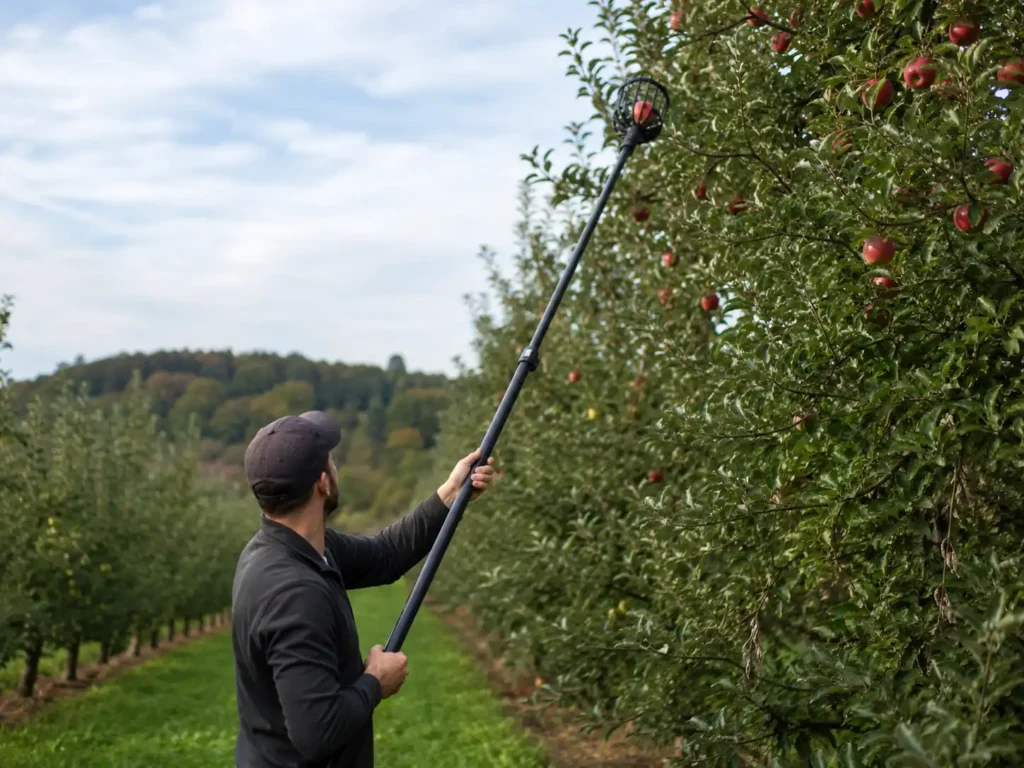
1. Fruit Picker Poles
Fruit picker poles are often used above the head. Workers may need to hold the pole for a long time during harvesting.
Carbon fiber can reduce fatigue and improve control. A stiffer pole helps the user place the basket or cutting head more accurately.
For professional fruit picking tools, carbon fiber can make the product easier to use and more valuable in the market.
2. Rescue Poles
Rescue poles need long reach and stable handling. They may be used near water, in emergency areas, or in outdoor rescue situations.
Carbon fiber is useful because it is light, stiff, and easy to carry. It can also be designed with custom hooks, floating parts, handles, or connectors.
For rescue tools, the design should focus on strength, grip, safety, and reliability.
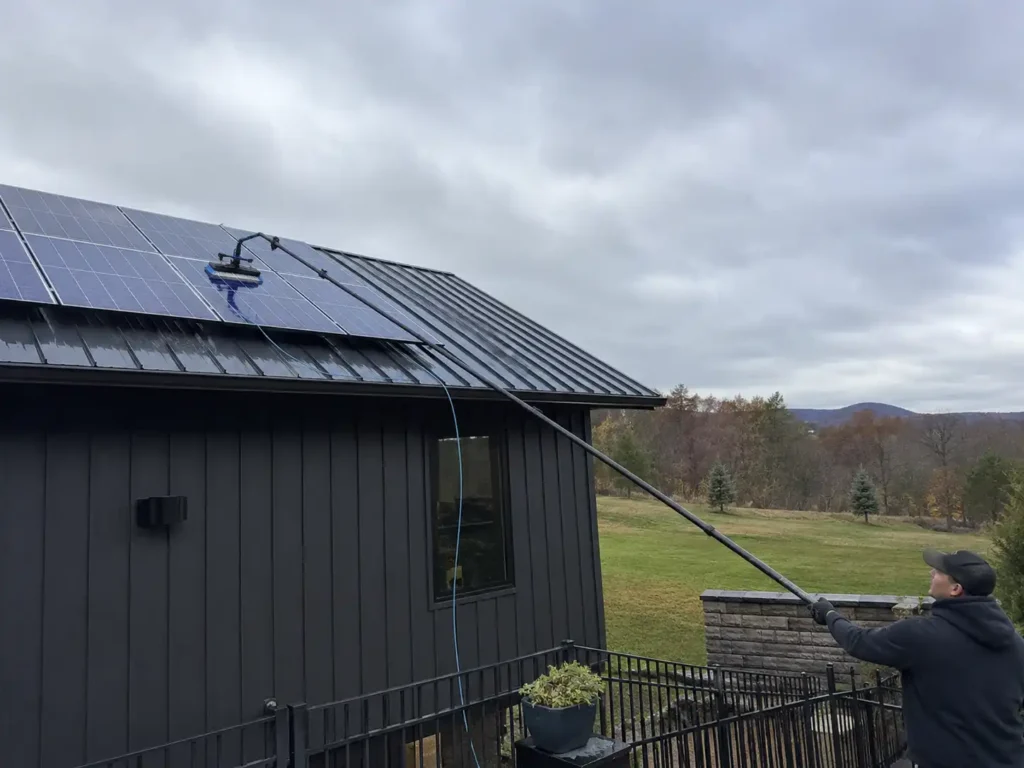
3. Cleaning Poles
Cleaning poles are used for windows, solar panels, building walls, roofs, and outdoor surfaces.
When a pole carries a brush or water-fed head, the user needs good control at the tip. If the pole is too heavy or too flexible, the work becomes harder.
Carbon fiber cleaning poles can help workers reach higher areas with less fatigue.
4. Inspection Poles
Inspection poles may carry cameras, sensors, mirrors, hooks, or testing tools. They are used in construction, utility inspection, safety checking, and field maintenance.
Carbon fiber can support these tools while keeping the pole light. It can also be customized with special connectors for different inspection heads.
5. Camera Poles and Tripods
Camera poles and tripod legs need low weight and good vibration control.
Carbon fiber is often used in premium camera supports because it is easier to carry and helps reduce shaking. This is useful for travel tripods, wildlife photography, field filming, and outdoor camera systems.
Aluminum can still work for budget tripods, but carbon fiber is often preferred when portability and stability matter.
6. Outdoor Utility Tools
Some outdoor tools are custom products. They may be used for maintenance, camping, agriculture, marine work, emergency use, or industrial field work.
For these tools, carbon fiber can be a strong option when the design needs a lightweight and stable pole system.
Application-Based Material Guide
Different outdoor tools need different material choices.
| Aplicación | Mejor elección | ¿Por qué? |
|---|---|---|
| Short garden pole | Aluminio | Lower cost and enough strength |
| Long fruit picker pole | Fibra de carbono | Lighter and easier to control overhead |
| Palo de rescate | Fibra de carbono | Long reach, low weight, and better handling |
| Budget tripod | Aluminio | Lower price for general users |
| Premium tripod | Fibra de carbono | Better portability and vibration control |
| Window cleaning pole | Fibra de carbono | Less fatigue during long use |
| Solar panel cleaning pole | Fibra de carbono | Long reach with better control |
| Inspection pole with camera | Fibra de carbono | Better stiffness and less shaking |
| Rough rental tool | Aluminio | Lower replacement cost |
| Premium outdoor tool | Fibra de carbono | Better user experience and higher product value |
This table shows why there is no single answer for every product.
For low-cost and short tools, aluminum is still useful. For long, professional, or premium tools, carbon fiber usually offers better value.
When Aluminum Is Still a Better Choice
Aluminum is still a good material when cost and simple use are more important than lightweight performance.
Carbon fiber has many advantages, but it is not always the best choice for every project. Some products do not need high stiffness or low weight. Some markets are very price-sensitive. Some tools are used in rough conditions where low replacement cost matters more than premium performance.
Aluminum may be a better choice when:
-
The pole is short
-
The product is mainly price-driven
-
The tool is for basic consumer use
-
The pole may be dropped or handled roughly
-
The working time is short
-
The tool does not carry much end load
-
The product does not need a premium appearance
-
The buyer wants a simple and low-cost structure
Aluminum also has good impact behavior in many cases. If it is hit or dropped, it may dent or bend instead of cracking. For rough-use tools, rental tools, or very low-cost products, this can be an advantage.
For example, a short garden pole used for light work may not need carbon fiber. An aluminum pole can provide enough strength at a lower price.
But if the pole becomes longer, or if the user needs better control, carbon fiber becomes more attractive.
Not All Carbon Fiber Poles Are the Same
The performance of a carbon fiber pole depends on its design, not only the material name.
Some buyers think all carbon fiber poles are the same. This is not correct.
A carbon fiber pole can be designed in many ways. Two poles may both be called carbon fiber, but their strength, stiffness, weight, appearance, and price can be very different.
Important design factors include:
-
Calidad de la fibra de carbono
-
Tube diameter
-
Espesor de la pared
-
Dirección de la fibra
-
Estructura de capas
-
Sistema de resina
-
Acabado superficial
-
Number of telescoping sections
-
Clamp and lock design
-
End fitting design
-
Método de mecanizado
-
Quality control standard
For example, a pole designed mainly for appearance may have a 3K woven outer layer but may not be the best option for high stiffness. A pole designed for long-reach use may need more unidirectional carbon fiber to improve bending strength.
Wall thickness also matters. A very thin carbon fiber tube may be light, but it may not be strong enough for a heavy end load. A thicker tube may be stronger, but it may increase weight and cost.
The telescoping structure is also important. A good carbon fiber tube still needs reliable clamps, locks, and connectors. If the lock system is weak, the pole may slip or shake during use.
For OEM buyers, the best carbon fiber pole should be designed around the final application. The material, layup, length, diameter, and connection system should all match the real use.
Durability in Outdoor Conditions
Outdoor telescoping poles must handle weather, moisture, dust, sunlight, and repeated use.
Both aluminum and carbon fiber can be used outdoors, but they behave differently.
Carbon fiber does not rust. This makes it suitable for humid areas, rain, marine use, agricultural work, and outdoor cleaning tools. With the right resin and surface finish, carbon fiber poles can perform well in many outdoor conditions.
Aluminum also has good corrosion resistance, especially when it is anodized or coated. However, its surface can oxidize, scratch, or wear over time. In salt air, wet environments, or chemical exposure, surface treatment becomes important.
For outdoor carbon fiber poles, surface finish should be selected based on the use environment. Common options include:
-
Acabado mate
-
Acabado brillante
-
3K woven carbon fiber surface
-
UD carbon fiber surface
-
Painted finish
-
Recubrimiento resistente a los rayos UV
-
Anti-slip surface treatment
For aluminum poles, anodizing, painting, or powder coating can improve outdoor use. But if the surface is scratched badly, appearance and protection may be affected.
In many premium outdoor tools, carbon fiber is chosen because it combines lightweight performance, corrosion resistance, and a high-end appearance.
How to Choose the Right Material for Your Outdoor Pole Project
The best choice depends on product use, not only material cost.
Before choosing carbon fiber or aluminum, buyers should answer a few practical questions.
-
What is the working length?
A 2-meter pole and an 8-meter pole have very different material needs. The longer the pole is, the more important weight and stiffness become.
-
What is the collapsed length?
For telescoping poles, collapsed length affects packaging, transport, storage, and user convenience.
-
What is the end load?
The tool at the end can change the whole design. A basket, brush, hook, camera, or sensor may require a stronger and stiffer pole.
-
How long will users hold the pole?
If the pole is used for only a few minutes, aluminum may be enough. If it is used for hours, carbon fiber may reduce fatigue.
-
Is the product for consumers or professionals?
Professional users often care more about weight, control, and long-term comfort. Consumer products may be more price-sensitive.
-
What outdoor environment will it face?
Rain, salt air, sunlight, dust, and chemicals can affect material and surface choices.
-
What is the target price?
Carbon fiber costs more, so it is better suited for products where improved performance can support a higher selling price.
-
Does the pole need custom parts?
Locks, clamps, grips, tips, adapters, and end fittings can affect both performance and cost.
These questions help buyers avoid choosing material only by price. A cheaper pole may not be cheaper in the market if it creates poor user experience, more returns, or weaker product positioning.
Custom Carbon Fiber Telescoping Poles for OEM Projects
OEM outdoor tools often need more than standard tubes.
Many outdoor products need custom tube sizes, special stiffness, telescoping sections, locks, handles, or end fittings. Carbon fiber offers strong design flexibility for these projects.
Entre las opciones de personalización más habituales se incluyen:
-
Diámetro exterior
-
Diámetro interior
-
Espesor de la pared
-
Longitud del tubo
-
Longitud plegada
-
Telescoping sections
-
Round, square, oval, or custom tube shapes
-
Matte or glossy surface
-
3K woven or UD carbon fiber finish
-
Painted or branded surface
-
Custom clamps and locking systems
-
Handles and grips
-
End fittings and adapters
-
Holes, slots, or special machining
-
Logo and private label options
For example, a fruit picker pole may need a lightweight tube, anti-slip grip, and a strong end connector for the basket. A rescue pole may need a stiffer tube, stronger joint, and custom hook. A cleaning pole may need a stable telescoping structure and a durable end connection. A camera pole may need good vibration control and precise fitting.
For brands developing outdoor tools, carbon fiber poles can be designed around the final product instead of using only standard tubes. This is useful for fruit pickers, rescue tools, cleaning systems, inspection poles, tripods, camera supports, and other long-reach outdoor equipment.
The best result usually comes from sharing the real application first. With working length, collapsed length, end load, use environment, and target price, the tube structure can be designed more accurately.
Carbon Fiber vs Aluminum Telescoping Poles: Final Recommendation
Carbon fiber is usually better for long, lightweight, and premium outdoor telescoping tools. Aluminum is better for short, simple, and cost-sensitive products.
Choose carbon fiber if your product needs:
-
Long reach
-
Menor peso
-
Better stiffness
-
Less shaking
-
Easier control
-
Better user comfort
-
Buena resistencia a la corrosión
-
Premium product positioning
-
Custom tube design
Choose aluminum if your product needs:
-
Lower cost
-
Simple structure
-
Short working length
-
Basic outdoor use
-
Good dent resistance
-
A price-focused market position
For a short garden tool, aluminum may be enough. For a long telescoping pole used in professional outdoor work, carbon fiber can offer a better balance of weight, stiffness, and control.
For OEM buyers, the best choice is not only about the material price. It is about how the final product performs in real use.
If your outdoor pole needs to be long, light, stable, and easy to control, carbon fiber is usually worth considering.
Preguntas frecuentes
Is carbon fiber worth it for telescoping poles?
Yes, carbon fiber is often worth it for long telescoping poles. It is lighter and stiffer than aluminum in many long-reach applications, which helps reduce fatigue and improve control.
What is the best material for a long fruit picker pole?
Carbon fiber is usually a better choice for long fruit picker poles because it is light and stiff. This makes it easier to hold the pole overhead and control the basket or cutting head.
Do carbon fiber poles bend less than aluminum poles?
In many long-pole designs, carbon fiber poles can bend less than aluminum poles at a similar weight. The final stiffness depends on tube diameter, wall thickness, fiber layup, and pole length.
Are carbon fiber poles good for rescue tools?
Yes, carbon fiber poles can be used for rescue tools when long reach, low weight, and stable handling are important. The pole should be designed with the right strength, grip, connectors, and safety requirements.
Why are carbon fiber telescoping poles more expensive?
Carbon fiber poles are more expensive because the material cost, layup process, curing, finishing, and quality control are more complex than aluminum production. However, they can offer better performance for premium tools.
Can I replace an aluminum pole with a carbon fiber pole?
Yes, in many products, an aluminum pole can be replaced with a carbon fiber pole. However, the diameter, wall thickness, lock system, end fittings, and load requirements should be checked before replacement.
Is aluminum better for low-cost outdoor tools?
Yes, aluminum is often better for short and low-cost outdoor tools. It is strong enough for many simple products and helps keep the final price lower.
Do carbon fiber poles rust?
No, carbon fiber does not rust. This makes it suitable for outdoor use, humid environments, marine tools, agricultural tools, and cleaning applications.
Can carbon fiber poles be customized?
Yes, carbon fiber telescoping poles can be customized by diameter, length, wall thickness, tube shape, surface finish, number of sections, clamps, handles, and end connectors.
What information should I provide for a custom carbon fiber telescoping pole?
You can provide the working length, collapsed length, outer diameter, wall thickness, end load, use environment, surface finish, and connection method. If you have drawings or samples, they can help make the design more accurate.
Quizá también te interese

Tubos compuestos
Se centra en la alta rigidez y el bajo peso de las estructuras orientadas al rendimiento.
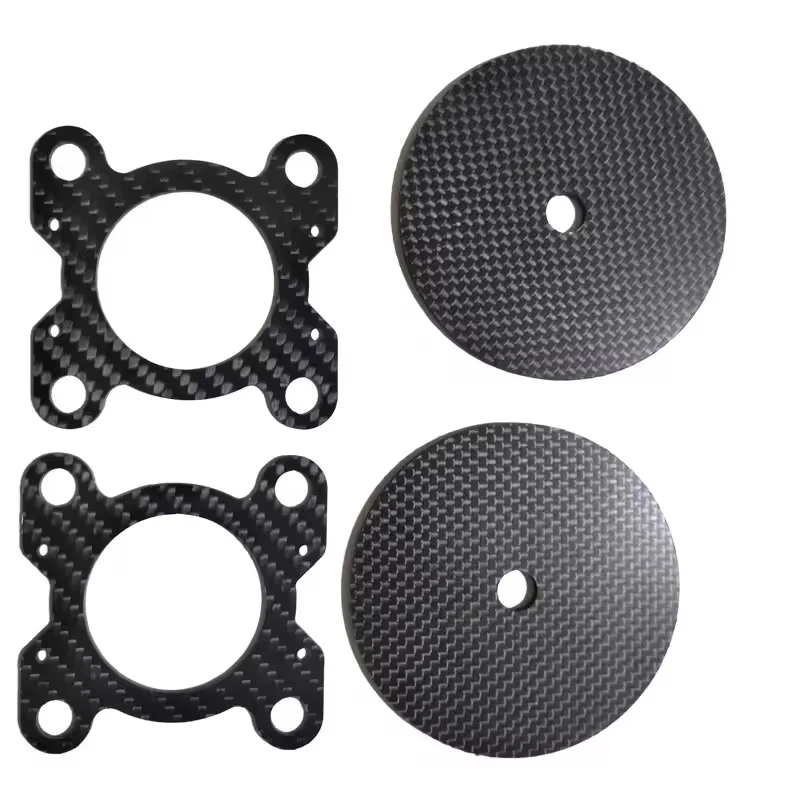
Láminas y placas de fibra de carbono
Láminas planas de laminado para corte CNC y componentes estructurales ligeros.
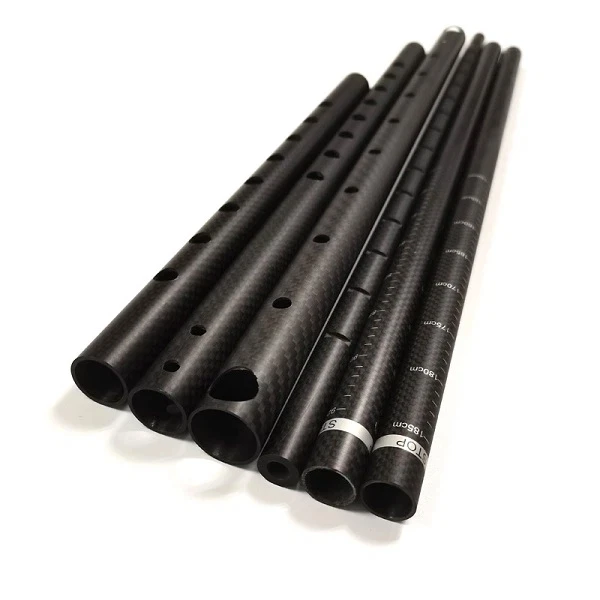
Varillas de material compuesto
Productos compuestos en forma de barra destinados a ensamblajes industriales y de fabricantes de equipos originales (OEM).
