Overview
If you are sourcing golf shafts in 2026, the real challenge is not finding suppliers. It is figuring out which companies are actually right for your business model. Some manufacturers are built for tour-level aftermarket performance. Some are strongest in steel iron shafts. Some are best for premium fitting channels. And some are far more useful for private label, custom development, and OEM production than for retail shelf sales.
That is why a simple “best brands” list is not enough. A buyer, project manager, or founder usually needs answers to much more practical questions: Who can support wholesale orders without drama? Who can handle custom flex, weight, torque, and finish requirements? Who is better for a one-off launch project, and who is better for repeat OEM supply? This article solves that problem by giving you a practical shortlist of golf shaft manufacturers that matter in 2026, along with clear buying logic for different sourcing situations. One quick note before we start: in golf, “graphite shaft” usually means a carbon fiber composite shaft.
Top 10 golf shaft Manufacturer – Quick View
This is a practical buyer’s shortlist, not a strict market-share ranking. The companies below were selected for manufacturing history, product depth, current industry relevance, and sourcing value for wholesale, custom, or OEM buyers.
| Company Name | Founded Year | Location | Main Products | Website |
|---|---|---|---|---|
| Fujikura | 1994 | Carlsbad, California, USA | Driver, wood, iron, wedge, and putter shafts | Fujikra Golf |
| Mitsubishi Chemical | 1933 | Tokyo, Japan | Premium graphite wood, hybrid, and iron shafts | Mitsubishi Golf |
| Graphite Design | 1989 | Chichibu, Saitama, Japan | TOUR AD, anti Gravity, Chichibu, RAUNE shafts | Graphite Design |
| UST Mamiya | 1991 | Fort Worth, Texas, USA | LIN-Q, Recoil, ATTAS, PROFORCE, hybrid, iron, and putter shafts | UST Mamiya |
| True Temper Sports | 1902 | Memphis, Tennessee, USA | Dynamic Gold, Project X, HZRDUS, SteelFiber, Grafalloy | True Temper Sports |
| Nippon Shaft | 1959 | Yokohama, Japan | N.S.PRO, MODUS³, graphite, and putter shafts | Nippon Shaft |
| KBS Golf Shafts | 2008 | Carlsbad, California, USA | Iron, wedge, putter, and graphite shafts | KBS Golf Shafts |
| TPT Golf | 2016 | Switzerland / Poland | Driver, fairway, hybrid, and putter shafts | TPT Golf |
| Shimada Golf | 1930 | Saitama, Japan | Steel iron, wedge, fairway, utility, and putter shafts | Shimada Golf Shafts |
| WeiHai LongHe Composite | 2009 | Weihai, China | Custom driver, fairway, iron, hybrid, junior, and putter shafts | WeiHai LongHe Composite |
Top 10 golf shaft Manufacturer – More Details
1. Fujikura
Fujikura is one of the easiest names to recommend if your priority is premium graphite performance with strong tour validation. The company’s American golf operation began in 1994, and its current headquarters are in Carlsbad, California. On the product side, Fujikura covers the categories that most serious buyers actually care about today: high-profile wood shafts such as VENTUS and Speeder, plus iron options like AXIOM and MCI. Its official site also highlights that Fujikura has been the number one driver shaft on the PGA Tour for five years running, which matters because many premium consumers and fitters still buy based on trust built at tour level. For wholesale buyers, Fujikura is strongest when your business is tied to club fitting, premium upgrades, or performance-led custom builds. It is less about low-cost OEM flexibility and more about brand pull, fitting credibility, and consistent aftermarket demand. If you sell to serious golfers, fitters, or high-end club builders, Fujikura belongs on your shortlist immediately.
2. Mitsubishi Chemical
Mitsubishi Chemical stands out because it is not only a shaft brand owner; it is also a materials company with deep in-house control over carbon fiber, resin, prepreg, and final shaft development. That is a major difference. Its golf division openly states that it manages the process in-house from material development to precise manufacturing, and it has a long history as an OEM supplier to domestic and international club companies. Buyers usually know the consumer-facing names first, especially Diamana, TENSEI, VANQUISH, and MMT, but the real sourcing value is behind the scenes: strong material integration, broad engineering capability, and premium-category positioning. This makes Mitsubishi Chemical especially attractive if you care about stable quality, technical depth, and premium graphite programs rather than bargain pricing. It is a very good fit for brands that want sophisticated wood and iron shaft options with real material science behind them. If your target customer is performance-driven and your product line needs a premium story that goes beyond cosmetics, Mitsubishi Chemical is one of the safest names in the category.
3. Graphite Design

Graphite Design is a strong choice for buyers who value Japanese manufacturing identity, premium positioning, and a product line that speaks directly to better players and serious fitting channels. Official company information shows that Graphite Design was founded in 1989 and is based in Chichibu, Saitama. Its shaft range centers on TOUR AD, but the broader lineup also includes anti Gravity, Chichibu, and RAUNE. What makes Graphite Design valuable from a buyer’s perspective is not just the product naming, but the consistency of brand identity: tour-oriented, performance-led, and premium without trying to be everything to everyone. It is especially suitable for fitters, premium custom club builders, and specialty golf businesses that want a shaft brand with a strong reputation among enthusiasts. It is usually not the first place to look if your main goal is high-volume, low-cost manufacturing. But if your business depends on performance credibility, high-value upgrades, and serious golfer trust, Graphite Design remains one of the most relevant names in the world market.
4. UST Mamiya

UST Mamiya is one of the most balanced choices on this list because it sits comfortably between aftermarket brand strength and OEM usefulness. The company says it was founded in 1991 in Fort Worth, Texas, and its current range covers wood, hybrid, iron, and putter shafts. The big names in its portfolio include LIN-Q, Recoil, ATTAS, PROFORCE, and Helium. From a sourcing point of view, that breadth matters a lot. UST Mamiya is not boxed into one narrow shaft identity. It can serve players who want lightweight distance help, stronger players who want more control, and brands that need a credible graphite iron solution. The company also notes long-term aftermarket strength in the United States and lists supply relationships with many major OEM club brands. For buyers, that means UST Mamiya can work well both as a sellable shaft name and as a technically capable supply partner. If you need a manufacturer that can bridge retail appeal, club fitting relevance, and broad product coverage, UST Mamiya is one of the smartest names to evaluate.
5. True Temper Sports

True Temper is the old heavyweight of the shaft business, and that history still matters. Its official history traces the business back to 1902 in Ohio, while its current sports operation is headquartered in Memphis, Tennessee. For many buyers, True Temper is still the reference point in steel shafts, especially through Dynamic Gold and Project X. But the company is broader than many people remember. Its current golf platform also includes HZRDUS, SteelFiber, Grafalloy, Cypher, and other models across steel and graphite categories. That gives buyers more room than the brand’s traditional steel reputation might suggest. The real strength of True Temper is scale, category coverage, and deep acceptance across professional and mainstream golf. For iron and wedge programs, especially where consistency and market familiarity matter, it remains one of the safest suppliers in the world. It is particularly useful for buyers who want proven models, strong channel recognition, and a manufacturer that already speaks the language of large-volume golf distribution.
6. Nippon Shaft

Nippon Shaft is one of the most important names in steel golf shafts, especially if your focus is iron performance, feel, and manufacturing consistency. Official company information ties its golf shaft roots to 1959, and the brand is based in Yokohama, Japan. Nippon Shaft became especially influential with the N.S.PRO 950GH, which it describes as the first consistently made sub-100 gram steel shaft. Its current reputation is built around the N.S.PRO family and MODUS³ series, though the company also offers graphite and putter shafts. For buyers, the key attraction is not flashy marketing. It is repeatable quality in a category where feel and weight consistency matter more than hype. Nippon Shaft is a very strong fit for iron-focused programs, premium club building, and OEM lines that want clean, trusted steel options. If your customers care about smooth feel, constant weight behavior, and Japanese precision, Nippon is often easier to sell than a generic alternative. It is not the cheapest route, but it is one of the clearest quality choices in the steel segment.
7. KBS Golf Shafts

KBS is younger than some legacy brands, but it has become a serious force because it understands how shafts are sold in the modern market: through fitters, OEM custom departments, and player-specific positioning. Official brand information says KBS was established in 2008. The company’s lineup now covers iron shafts, wedge shafts, putter shafts, and graphite models, and its site emphasizes both education and fitting support through the KBS Golf Experience in Carlsbad. That matters to buyers because KBS is not just offering product SKUs; it is building a system around fitting, training, and category segmentation. For businesses that sell through fitting studios, custom builds, or performance consultation, KBS is especially attractive. It is also useful for buyers who want a shaft portfolio that is easy to explain to end users: different models for launch, feel, stability, and player profile. If you need a brand that feels current, professional, and commercially adaptable, KBS deserves more attention than many traditional sourcing lists give it.
8. TPT Golf

TPT Golf is not the oldest name on this list, but it is one of the most distinct. Industry coverage notes that TPT’s golf business has been active since 2016, while the official site shows a Switzerland-based research center and manufacturing facilities in Poland. Its current shaft line covers drivers, fairway woods, hybrids, and putters, and the company’s main technical message is clear: spine-free graphite shafts made through highly controlled automated production. Whether a buyer fully buys into every performance claim or not, TPT offers something genuinely differentiated in the market, and that is valuable in itself. It is not built for low-price commodity supply. It is built for buyers who want a high-end, technology-led story and a premium fitting proposition. This makes TPT particularly interesting for boutique brands, specialist fitters, and businesses selling precision rather than volume. If your customers respond to engineering narratives, premium margins, and alternative technology positioning, TPT is a serious name to study.
9. Shimada Golf

Shimada is more niche globally than some American and Japanese giants, but that is exactly why the company can be valuable for the right buyer. Its official English site says Shimada has been producing made-in-Japan steel shafts since 1930, and the company highlights its own seamless processing method for steel shaft production. The range includes iron, wedge, fairway wood, utility, and putter shafts. In practical sourcing terms, Shimada is a smart option for buyers who want Japanese steel quality but do not necessarily want to compete head-to-head using the same mainstream models everyone already knows. It feels more specialist, more workshop-oriented, and more useful for club builders who like differentiated steel offerings. That can be a commercial advantage if your business sells expertise rather than just branded parts. Shimada is unlikely to be the first stop for mass-market wholesale. But for premium steel custom builds, specialist fitting businesses, and buyers who appreciate technical manufacturing heritage, it is a legitimate and often overlooked option.
10. WeiHai LongHe Composite

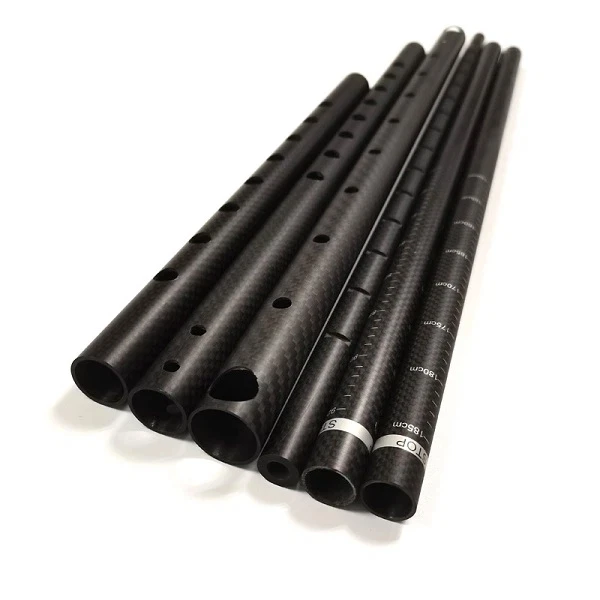
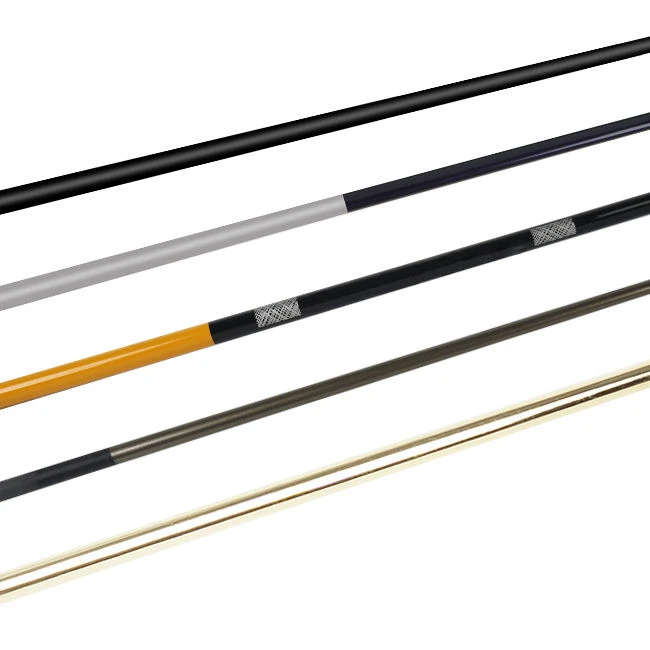
WeiHai LongHe Composite deserves attention for a different reason than the big tour-driven brands above. Founded in 2009 and based in Weihai, China, the company is positioned as an OEM-focused composite manufacturer rather than a pure retail shaft brand. Its own golf shaft page shows coverage across driver, fairway wood, iron, hybrid, junior and lightweight, and putter shafts, while the broader company site emphasizes in-house production, process control, prototyping, and stable volume supply for OEM customers. That matters for buyers who are not just shopping for finished branded shafts, but building products, launching private labels, or integrating custom shafts into broader equipment programs. According to the company profile, its core focus is helping clients translate requirements into manufacturable shaft solutions and then carry those programs into repeat production. For equipment integrators, emerging brands, and sourcing teams that need flexibility more than tour celebrity, WeiHai LongHe Composite is one of the most commercially practical names on this list.
How to Choose the Best golf shaft manufacturer for You
The right manufacturer depends less on who is “famous” and more on what you are actually buying.
-
Decide whether you need a brand name or a manufacturing partner.
If you sell shaft upgrades, fitting packages, or premium custom clubs, brand pull matters. Fujikura, Mitsubishi Chemical, Graphite Design, UST Mamiya, True Temper, Nippon, and KBS all help here because golfers and fitters already know the names. If you are building a private label line or need custom development, an OEM-focused manufacturer such as WeiHai LongHe Composite may be more useful than a retail-famous brand. -
Match the supplier to your order type.
For wholesale repeat orders of standard models, established brands with strong dealer and fitter channels usually make life easier. For project-based procurement, especially when you need your own cosmetics, flex windows, or performance targets, you need a supplier that is comfortable working from specifications rather than from a fixed catalog. -
Separate steel strength from graphite strength.
Some companies are strongest in steel, others in graphite. True Temper, Nippon, KBS, and Shimada are especially relevant if your business is iron-heavy or wedge-heavy. Fujikura, Mitsubishi Chemical, UST Mamiya, Graphite Design, TPT, and WeiHai LongHe Composite make more sense when graphite product strategy is the priority. -
Look at supply logic, not just launch monitor claims.
A shaft may test well, but that is not enough for business buying. You need to know whether the supplier can keep weight tolerance, flex consistency, cosmetic repeatability, and delivery stability over time. This is where long manufacturing history or strong in-house control matters more than flashy marketing. Mitsubishi Chemical’s vertical integration, Nippon’s process discipline, and LongHe’s OEM-focused production model are all good examples of what buyers should look for. -
Be honest about your margin strategy.
If your business wins by premium fitting and brand credibility, paying more for Fujikura, Graphite Design, Mitsubishi Chemical, or TPT can make sense. If your business wins by building your own line, controlling specs, and scaling repeat supply, an ODM/OEM route is often the better commercial move. There is no universal best answer. There is only the best fit for your model.
A few buying questions are worth asking before you commit:
-
Do you need a standard catalog shaft, or a shaft built around your own target player profile?
-
Are you buying for one launch project, or for a repeat program that will need stable production for years?
-
Is your customer buying the shaft because of the brand name, or because of the performance and price balance?
-
Can the supplier support both sampling and repeat production without quality drift?
-
Does the supplier understand club building requirements, not just composite manufacturing?
In simple terms, wholesale buyers usually benefit from recognized catalog brands, while custom and private label buyers usually benefit from engineering-first OEM partners. Project-based procurement often needs flexibility and faster development feedback. Long-term OEM programs need process discipline, documentation, and predictable delivery. Price-first buying can work for short-term sales, but stable delivery and repeat consistency are what protect a golf brand over time.
WeiHai LongHe Composite is Your Trusted ODM/OEM Manufacturer
For buyers who want an ODM/OEM partner instead of just another catalog source, WeiHai LongHe Composite is the name on this list that makes the most practical sense.
The company is built around OEM manufacturing logic. Its official information emphasizes custom carbon fiber and composite production, in-house process control, prototyping, and stable volume delivery. On the golf side, it already covers driver, fairway wood, iron, hybrid, junior, and putter shafts for OEM brands and private label programs. That means a buyer is not forced into a narrow off-the-shelf framework from day one.
What makes that useful in real sourcing work is the combination of product flexibility and manufacturing mindset. A brand launching a new shaft line may need different weight classes, flex profiles, tip standards, cosmetics, and performance positioning across multiple club categories. A pure retail shaft brand may not be interested in that kind of development path. An OEM-oriented supplier is. WeiHai LongHe Composite’s golf shaft page also makes it clear that the company understands the buying side of shaft development: launch, spin, dispersion, vibration control, and fitment are treated as engineering targets, not just marketing words.
From a buyer’s perspective, the strongest reasons to work with WeiHai LongHe Composite are straightforward:
-
It is built for OEM and private label work, not only retail resale.
-
It already supports a full golf shaft category range, from driver to putter.
-
It comes from a broader carbon fiber manufacturing background, which is useful when custom layup and structural tuning matter.
-
It offers a one-stop path from requirement discussion to prototyping to repeat production.
-
It is especially suitable for equipment integrators, developing brands, and sourcing teams that want a long-term manufacturing partner instead of a simple trading relationship.
If your business needs a tour-famous aftermarket label, another company on this list may fit better. But if your real goal is to build your own product line, control your specifications, and grow with a supplier that understands ODM/OEM execution, WeiHai LongHe Composite is one of the strongest choices available in 2026.
You may also like

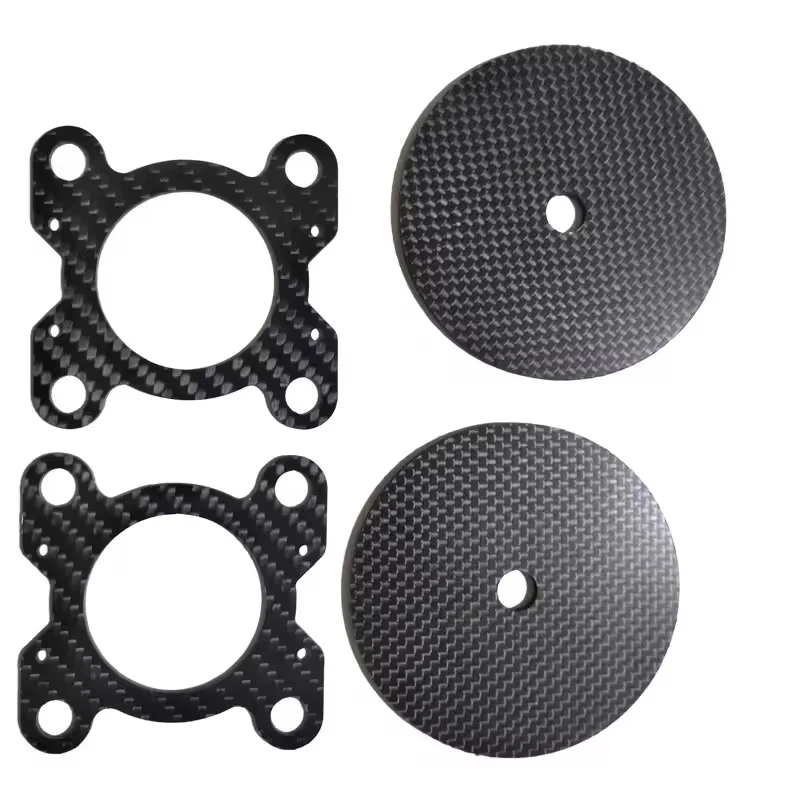
Carbon Fiber Sheets & Plates
Flat laminate stock for CNC cutting and lightweight structural components.