Why Customers Choose Us :
- Manufacturer-Direct Control
- Engineering Support
- Consistent Quality
- Reliable Lead Time

These outrigger pole categories are organized by material type and application requirements
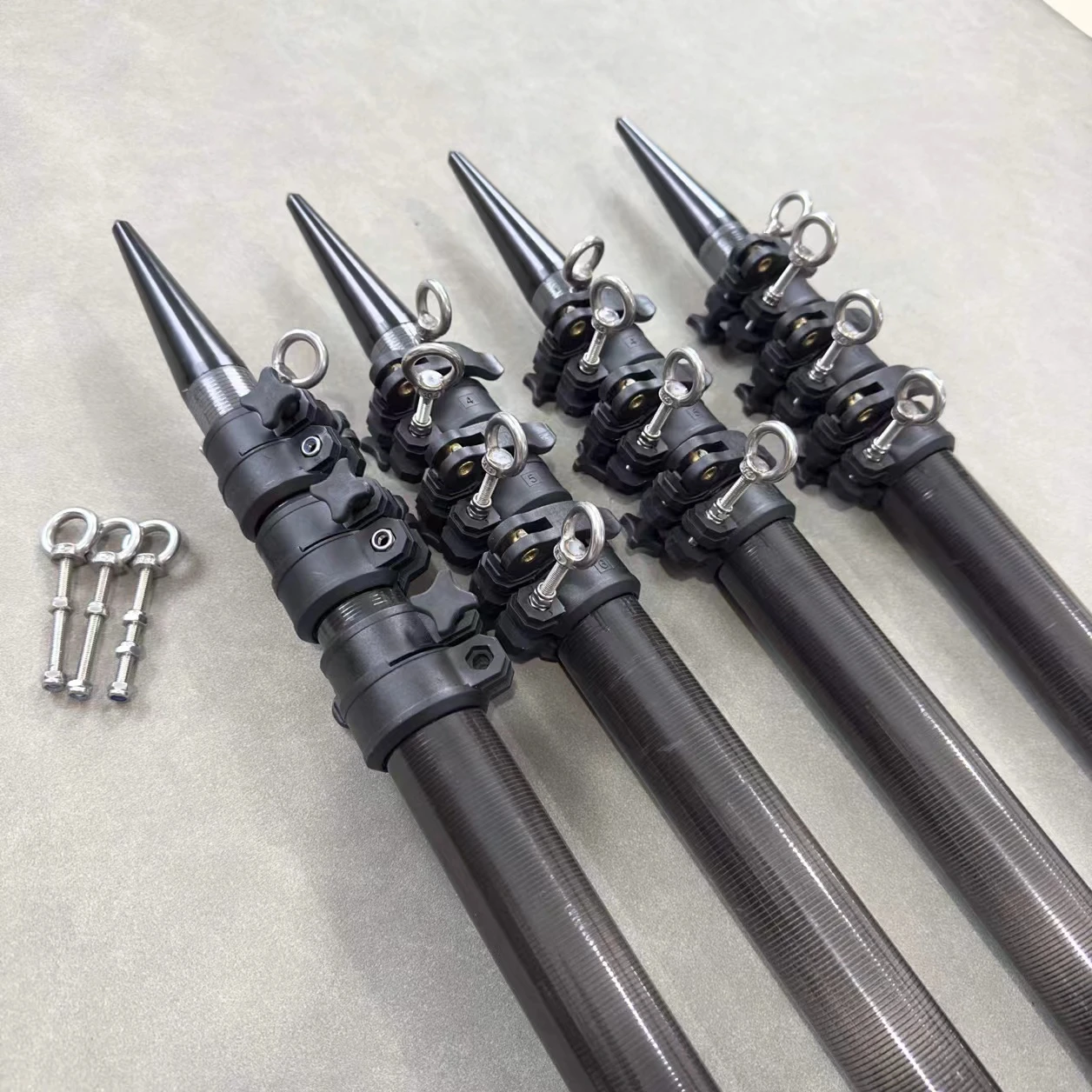
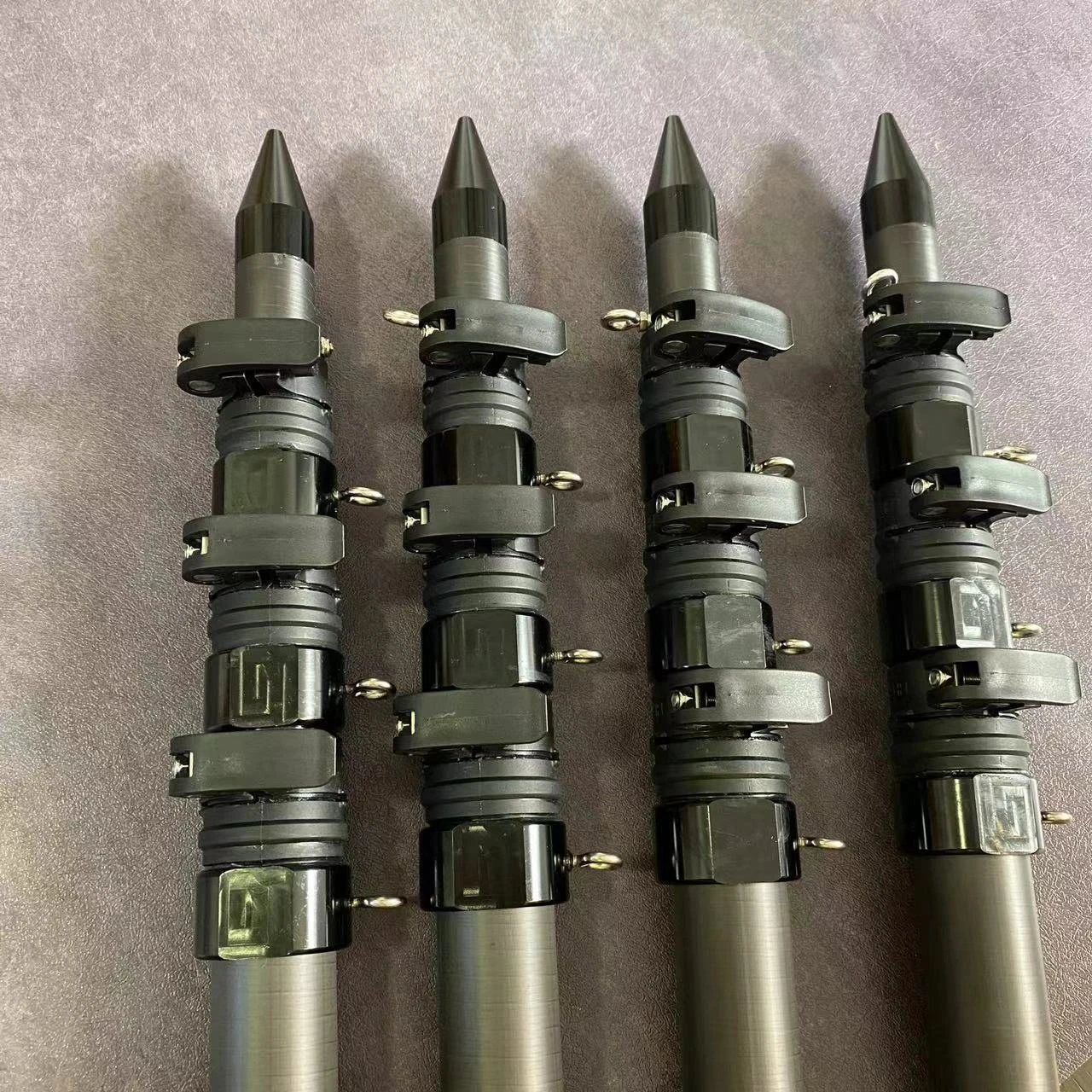
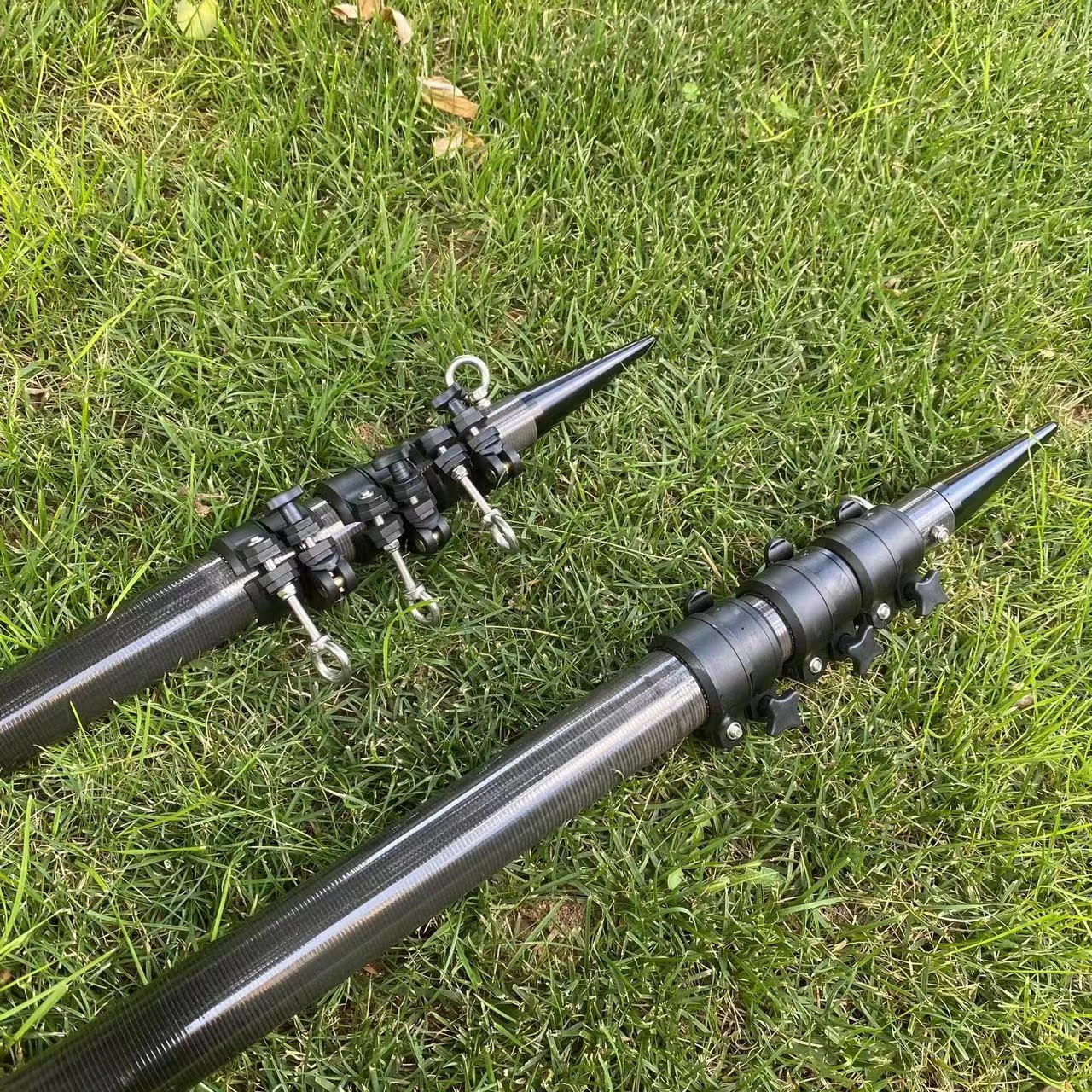
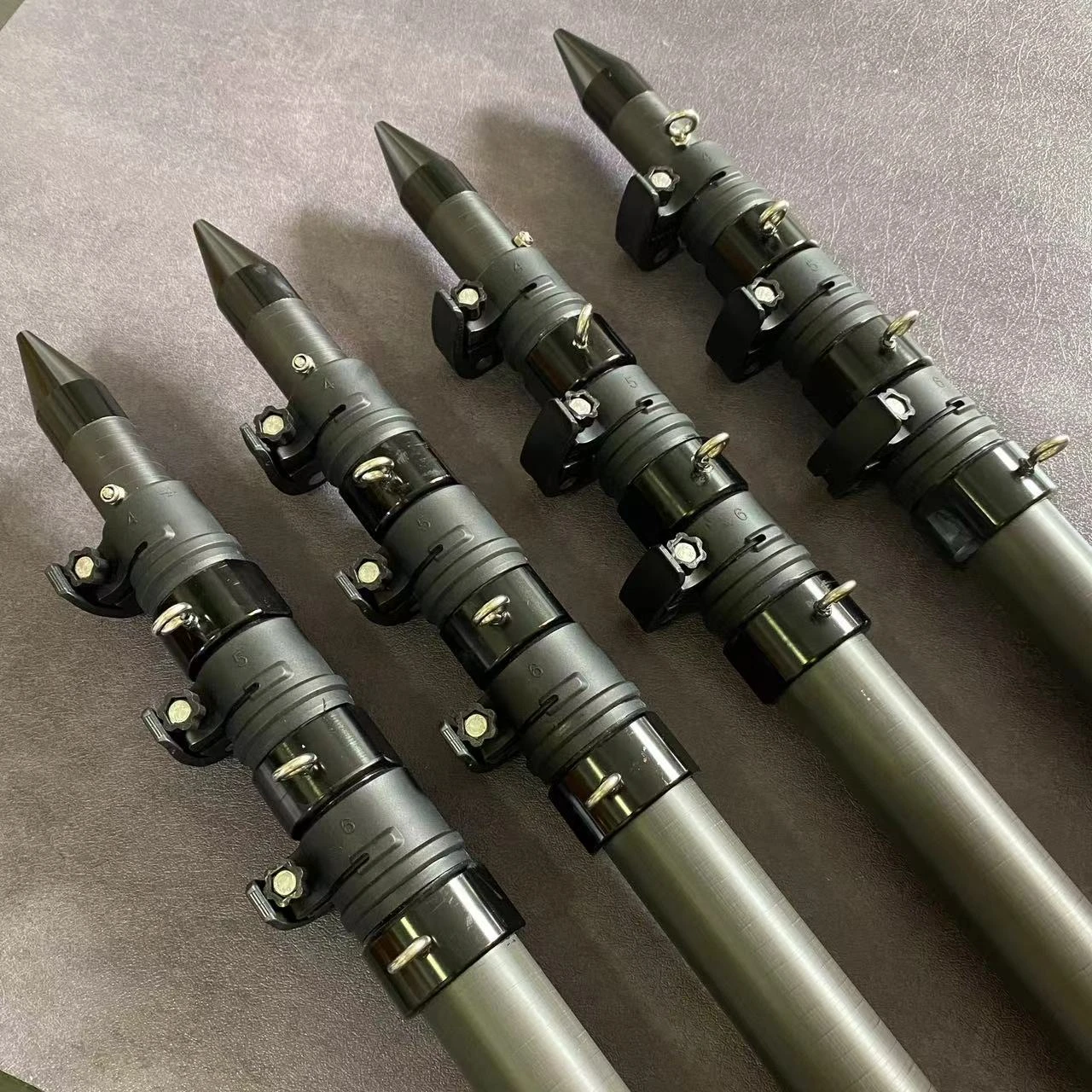
Carbon fiber has become the preferred material for high-performance outrigger poles due to its superior strength-to-weight ratio and durability in marine environments.
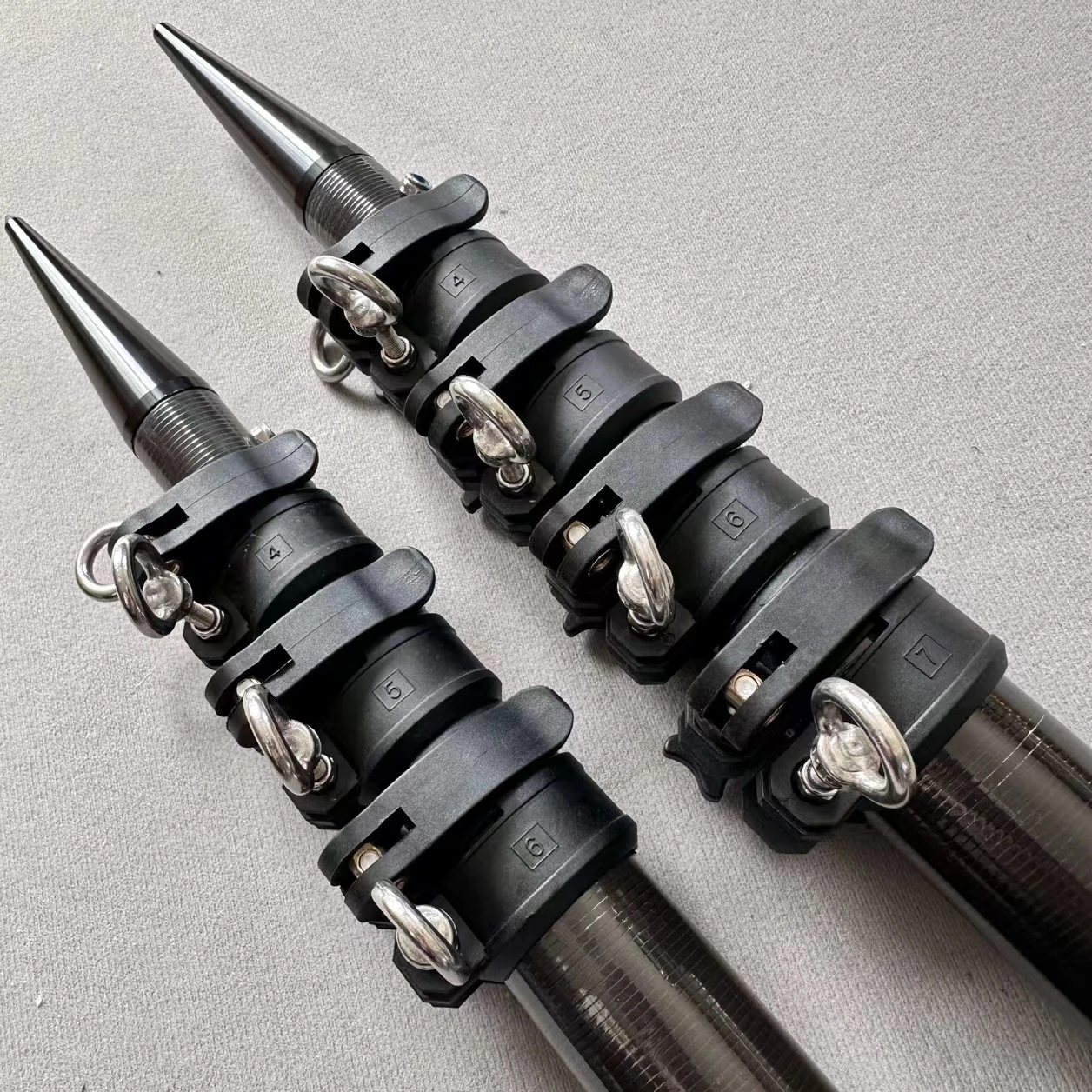
Higher stiffness with significantly lower weight
Reduced deflection and vibration under load
Excellent corrosion resistance in saltwater conditions
Improved fatigue resistance and longer service life
Custom laminate design for OEM performance targets
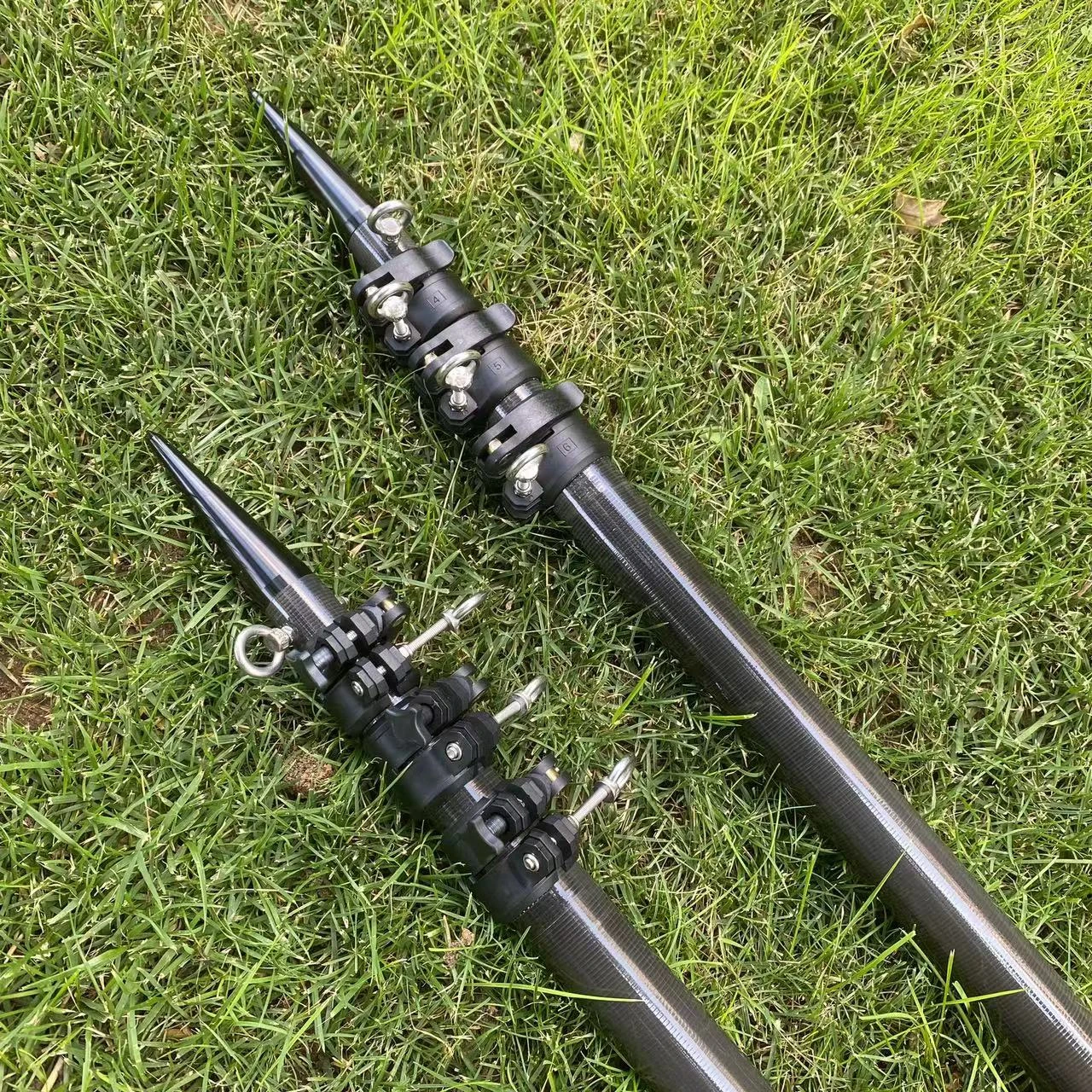
Carbon fiber outrigger poles are widely used in fishing and marine systems where lightweight strength, stiffness, and corrosion resistance are critical.
Used to extend lure spread and maintain line stability under dynamic sea conditions.
Preferred for reduced weight, improved handling, and lower fatigue during extended fishing operations.
Carbon fiber construction offers excellent corrosion resistance and long-term dimensional stability.
Integrated into tailored mounting systems requiring precise stiffness and load control.
Selected for performance-driven designs where weight reduction and structural efficiency are required.
This comparison focuses on structural and material-level performance factors relevant to fishing and marine outrigger pole design.
| Engineering Parameter | Carbon Fiber Outrigger Poles | Fiberglass Outrigger Poles |
|---|---|---|
| Material Density | ~1.5–1.6 g/cm³ | ~1.9–2.1 g/cm³ |
| Tensile Modulus (Fiber Level) | ~230–240 GPa (standard modulus) | ~70–80 GPa |
| Specific Stiffness (E/ρ) | Very high | Moderate |
| Bending Deflection (Same Geometry) | Low deflection under trolling loads | Higher deflection at equivalent length |
| Strength-to-Weight Ratio | Excellent | Moderate |
| Fatigue Resistance | High fatigue endurance under cyclic loading | Lower fatigue resistance over long-term use |
| Vibration Damping | Low vibration transmission with proper laminate design | Higher vibration transfer |
| Corrosion Behavior | Inert to saltwater and marine exposure | Corrosion-resistant but resin aging possible |
| Dimensional Stability | Excellent, minimal creep | Moderate, long-term creep possible |
| Typical Service Life | Long-term use with stable mechanical properties | Shorter service life under repeated loading |
| Design Flexibility | Laminate orientation tunable for stiffness and load | Limited stiffness tuning options |
| Cost Level | Higher initial material and processing cost | Lower initial material cost |
We support OEM and custom projects for carbon fiber outrigger poles, offering engineering-driven manufacturing tailored to specific application requirements.
Outrigger poles are used to extend and separate fishing lines during trolling.
They increase lure spread, reduce line tangling, and improve overall fishing efficiency, especially in offshore and sport fishing.
Carbon fiber is generally the best material for outrigger poles.
It offers a higher stiffness-to-weight ratio than fiberglass or metal, improving line stability while reducing overall pole weight.
Yes, carbon fiber outrigger poles perform better in most applications.
They are lighter, stiffer, and show less flex under load compared to fiberglass poles of similar size.
Yes, carbon fiber outrigger poles are highly suitable for saltwater use.
They provide excellent corrosion resistance and maintain structural stability in harsh marine environments.
Yes, outrigger poles can be manufactured in telescopic designs.
Telescopic carbon fiber or composite structures allow adjustable length while maintaining strength and portability.
Yes, carbon fiber outrigger poles are fully customizable.
Length, diameter, wall thickness, surface finish, and mounting interfaces can be tailored for OEM and custom projects.
We provide a complete portfolio of composite products for sports equipment applications: