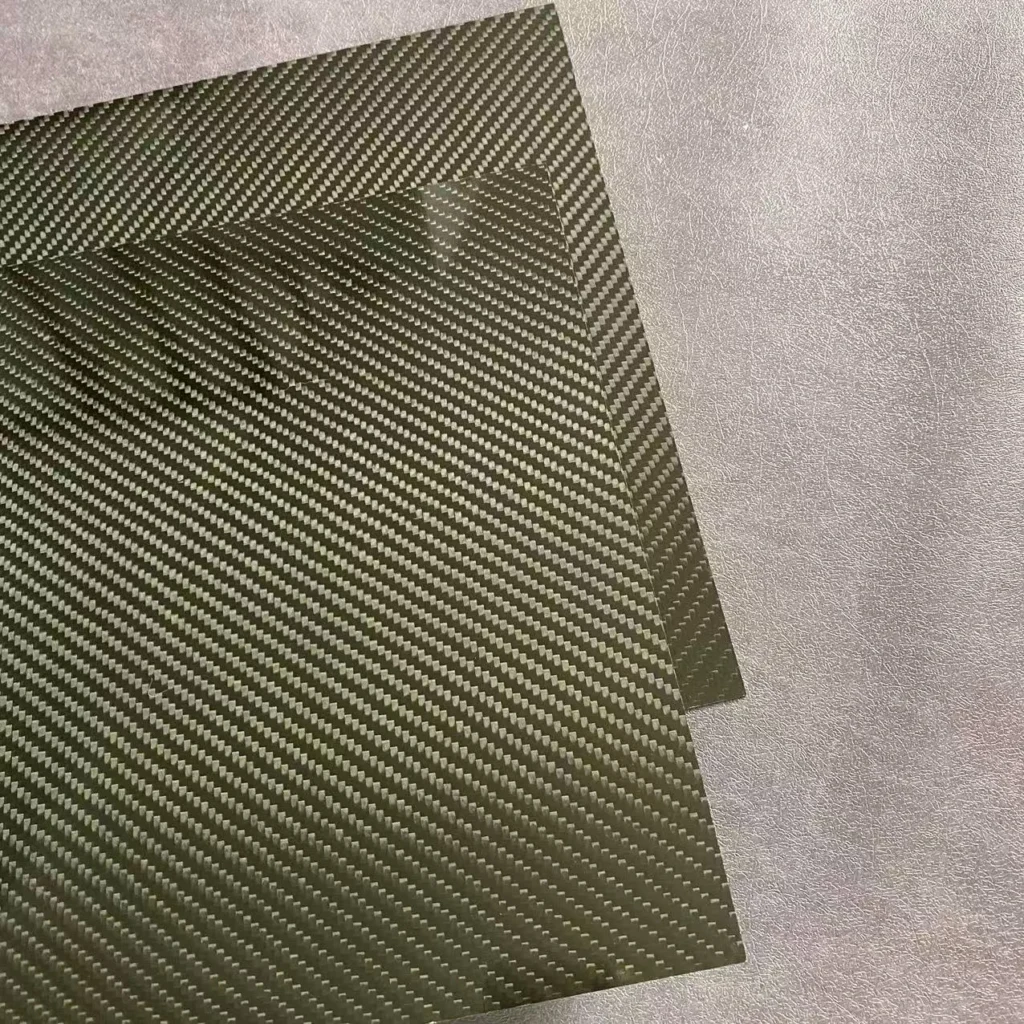
Carbon fiber sheets are high-performance composite laminates used in structural applications where stiffness, dimensional stability, and weight reduction directly affect product performance.
In industries such as sports equipment, UAV systems, robotics, automotive reinforcement, and industrial structures, carbon fiber sheets are selected not because they are “advanced,” but because they solve specific engineering problems that metals and plastics cannot.
This guide explains how carbon fiber sheets are manufactured, how they are used, how they are machined, and how to select the right specification for OEM projects.
Mechanical Properties of Carbon Fiber Sheets
Carbon fiber sheets are typically manufactured from carbon fabric (3K, 12K, UD, etc.) combined with epoxy resin and cured under pressure. Their performance depends on fiber orientation and laminate design.
Below are typical engineering values:
| Propriété | Carbon Fiber Sheet | Aluminum 6061 |
|---|---|---|
| Densité | 1,5-1,6 g/cm³ | 2,7 g/cm³ |
| Résistance à la traction | 500–1500 MPa | ~310 MPa |
| Elastic Modulus | 70–200 GPa | ~69 GPa |
| Thermal Expansion | Near zero | 23 µm/m·K |
| Fatigue Resistance | Excellent | Modéré |
Key advantage:
Carbon fiber sheets offer significantly higher strength-to-weight ratio and much lower thermal expansion compared to aluminum. This makes them suitable for lightweight precision structures.
How Carbon Fiber Sheets Are Manufactured
High-quality carbon fiber sheets are typically produced using controlled composite processes:
Prepreg layup with defined fiber orientation (0° / 90° / ±45°)
Vacuum bagging or compression molding
Autoclave or hot press curing
CNC precision machining
Surface finishing (matte, gloss, sanded)
Critical production factors include:
Fiber grade (e.g., T700, T800)
Layup symmetry
Resin system
Thickness tolerance control
Flatness accuracy
In structural applications, internal laminate architecture determines performance more than surface appearance.
Key Industries Using Carbon Fiber Sheets
Carbon fiber sheets are widely used across multiple performance-driven industries:
Sports equipment reinforcement panels
UAV and drone main frame plates
Robotique structural panels
Automotive lightweight brackets and inserts
Industrial & utility structural boards
Protective & safety reinforcement systems
Each application may require different fiber orientation, thickness, and machining precision. For project-specific engineering considerations, refer to dedicated application guides.
How to Cut Carbon Fiber Sheets
Carbon fiber sheets require controlled machining to prevent delamination, fiber pull-out, or edge damage.
Recommended cutting methods:
CNC routing with diamond-coated tools
Waterjet cutting for complex shapes
Fine-tooth carbide saw blades for straight cuts
Important precautions:
Use proper dust extraction (carbon dust is hazardous)
Support the sheet to prevent vibration
Avoid excessive heat generation
Seal exposed edges if used in humid environments
For OEM production, CNC machining provides consistent tolerances and repeatability.
How to Use Carbon Fiber Sheets in Structural Design
Carbon fiber sheets are not used like metal plates. Proper design consideration is required.
Best practices include:
Align primary fiber direction with main load path
Avoid point loading without reinforcement
Use bonded joints or countersunk fasteners
Reinforce edges in impact-prone zones
Consider stacking sequence for bending resistance
Improper fiber orientation is one of the most common reasons for composite failure in load-bearing panels.
Carbon Fiber Sheet vs Aluminum vs Fiberglass
Engineering-Level Performance Comparison
Material selection in structural panels depends on stiffness-to-weight ratio, fatigue life, thermal stability, and long-term dimensional accuracy — not just strength.
Below is a more engineering-relevant comparison:
| Paramètres | Carbon Fiber Sheet | Aluminium 6061-T6 | Fiberglass Sheet |
|---|---|---|---|
| Densité (g/cm³) | 1.5–1.6 | 2.7 | 1.9–2.0 |
| Résistance à la traction (MPa) | 600–1500* | ~310 | 200–350 |
| Elastic Modulus (GPa) | 70–200** | ~69 | 20-30 |
| Specific Modulus (Modulus ÷ Density) | Very High | Modéré | Faible |
| Fatigue Resistance | Excellent | Modéré | Modéré |
| Thermal Expansion (µm/m·K) | Near 0 (in fiber direction) | 23 | 8–12 |
| Résistance à la corrosion | Excellent | Nécessite un traitement | Bon |
| Conductivité électrique | Conducteur | Conducteur | Insulating |
| CNC Machinability | Good (tool wear high) | Excellent | Bon |
| Cost per Structural Stiffness Unit | Competitive in weight-critical designs | Modéré | Plus bas |
* depends on fiber grade and layup
** highly dependent on fiber orientation
Engineering Interpretation
When Carbon Fiber Sheet Is the Right Choice
Choisir fibre de carbone when:
Weight reduction directly impacts performance (UAV, robotics, racing)
Dimensional stability under temperature variation is critical
High stiffness with minimal thickness is required
Long fatigue life is needed
Vibration damping is important
When Aluminum May Be Preferable
Choose aluminum when:
Cost sensitivity is high
High thermal conductivity is required
Heavy-duty impact loads dominate
Machining complexity is high
When Fiberglass Is Sufficient
Choose fiberglass when:
Electrical insulation is required
Load requirements are moderate
Budget is limited
Weight is not performance-critical
How to Choose the Right Carbon Fiber Sheet
Selecting the right specification reduces procurement risk and prevents costly redesign.
Key factors to evaluate:
Required thickness
Load direction and bending moment
Fiber architecture (woven vs UD)
Surface finish requirements
Machining tolerance
Environmental exposure conditions
Annual volume and batch consistency
For OEM sourcing, request:
Fiber specification confirmation
Laminate structure details
Mechanical test data
Flatness and thickness tolerance
Production traceability documentation
Procurement decisions should be based on engineering suitability rather than surface appearance alone.
Where to Buy Carbon Fiber Sheets
Carbon fiber sheets can be purchased from:
Composite material distributors
Specialty composite retailers
Direct carbon fiber sheet manufacturers
For industrial and OEM applications, working directly with a manufacturer typically provides:
Custom layup options
Thickness control
Integrated CNC machining
Batch-to-batch consistency
Stable long-term supply
When evaluating suppliers, verify actual production capability instead of relying solely on catalog listings.
You may also like

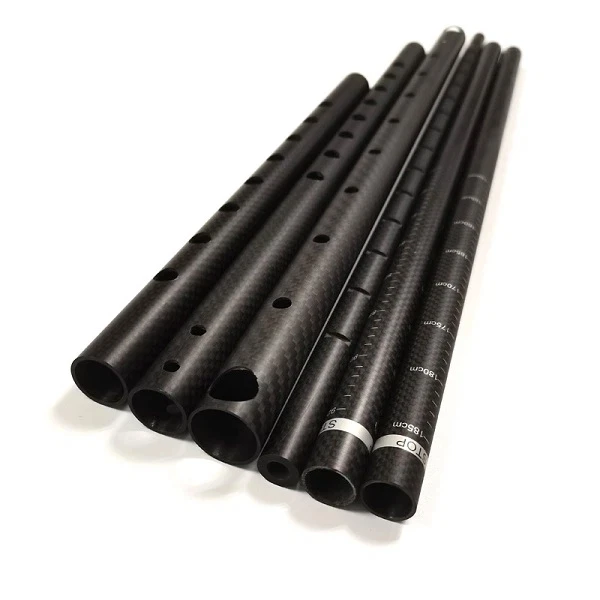
Tubes composites
L'accent est mis sur une rigidité élevée et un faible poids pour les structures axées sur la performance.
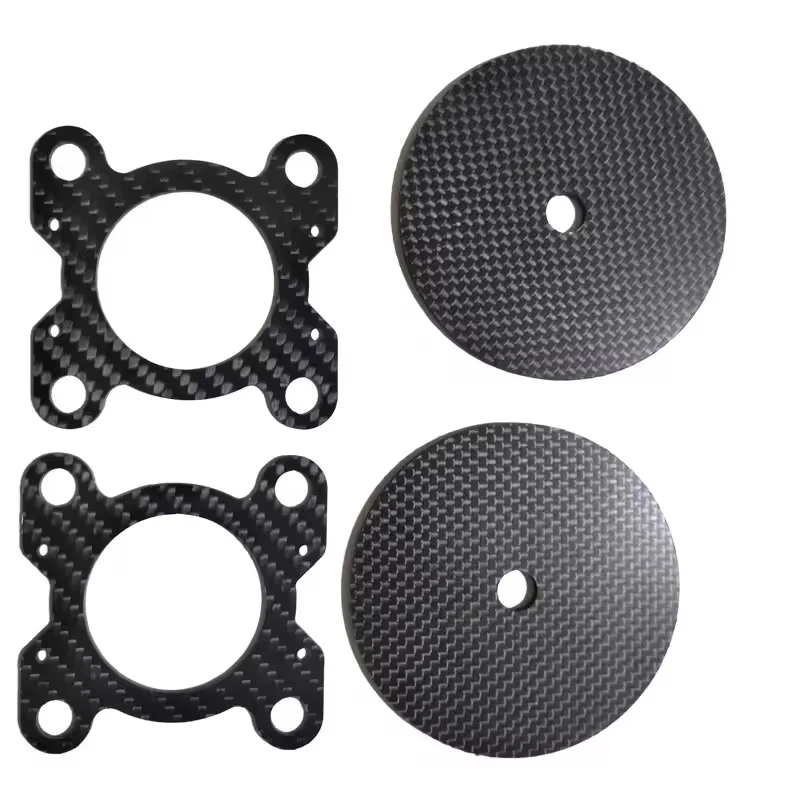
Feuilles et plaques en fibre de carbone
Flat laminate stock for CNC cutting and lightweight structural components.
Tiges en composite
Rod-shaped composite products supplied for industrial and OEM assemblies.
