Pourquoi les clients nous choisissent :
- Fabricant-Contrôle direct
- Soutien à l'ingénierie
- Une qualité constante
- Délai de livraison fiable

Carbon fiber cue shafts are engineered in different configurations to meet the distinct performance requirements of various billiard disciplines.
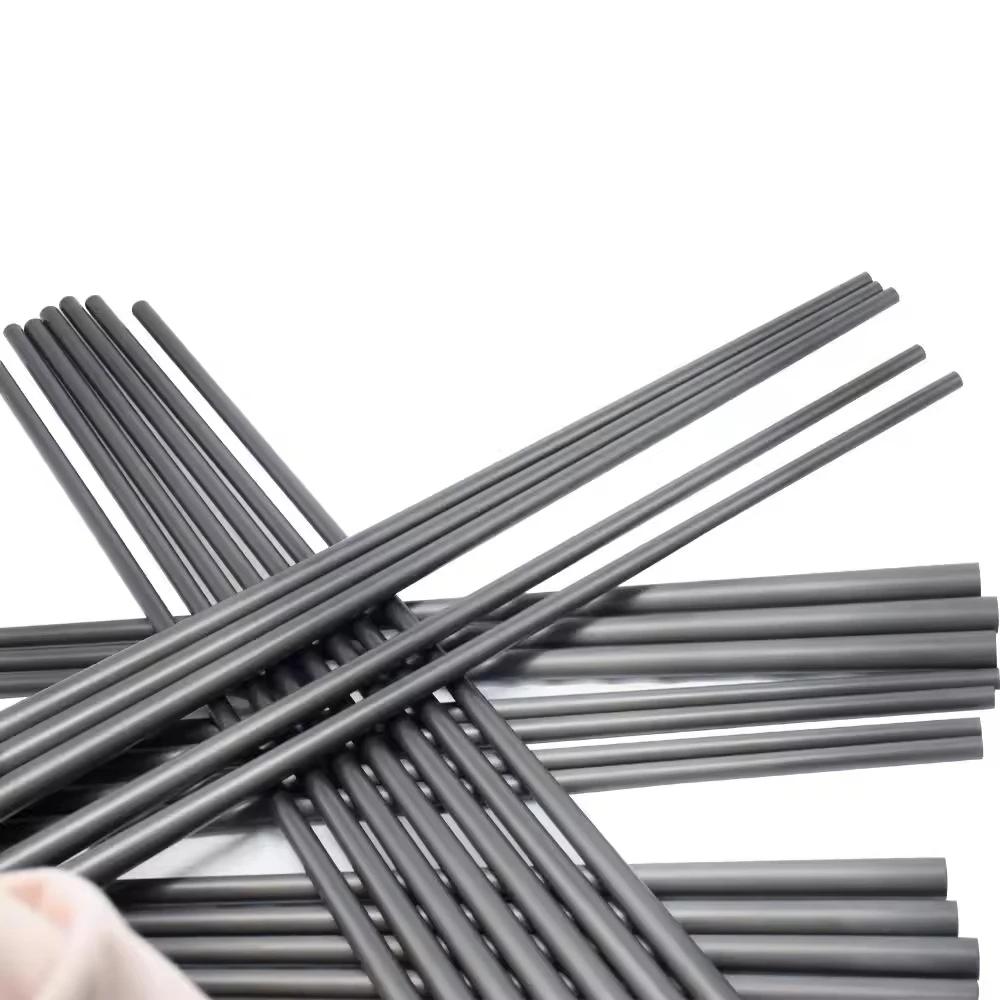
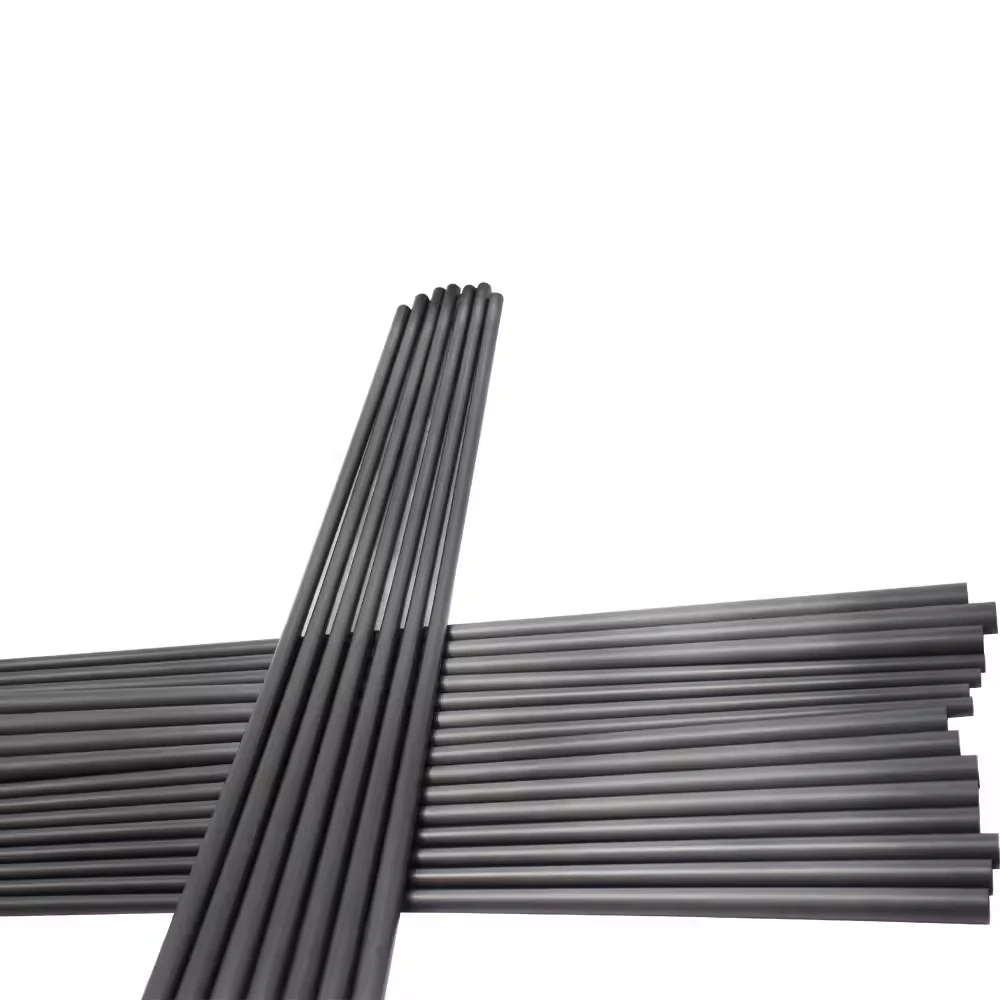
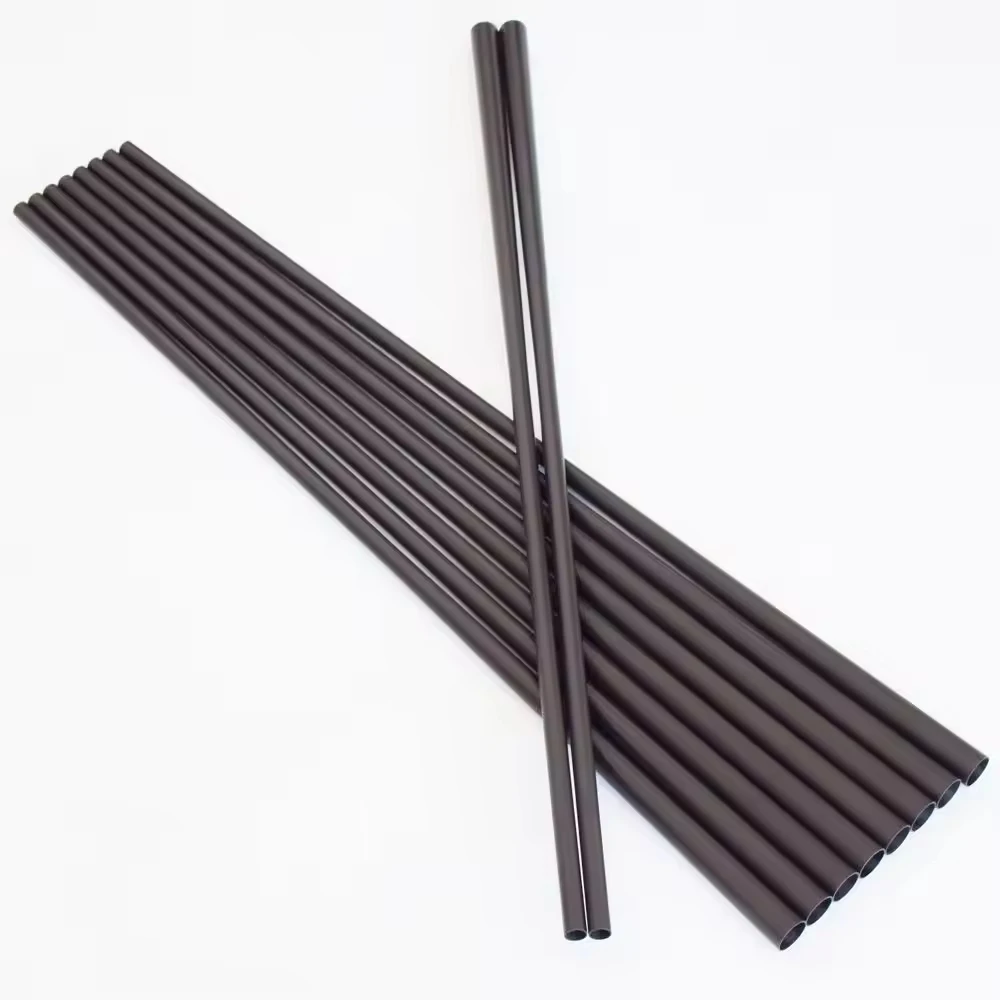
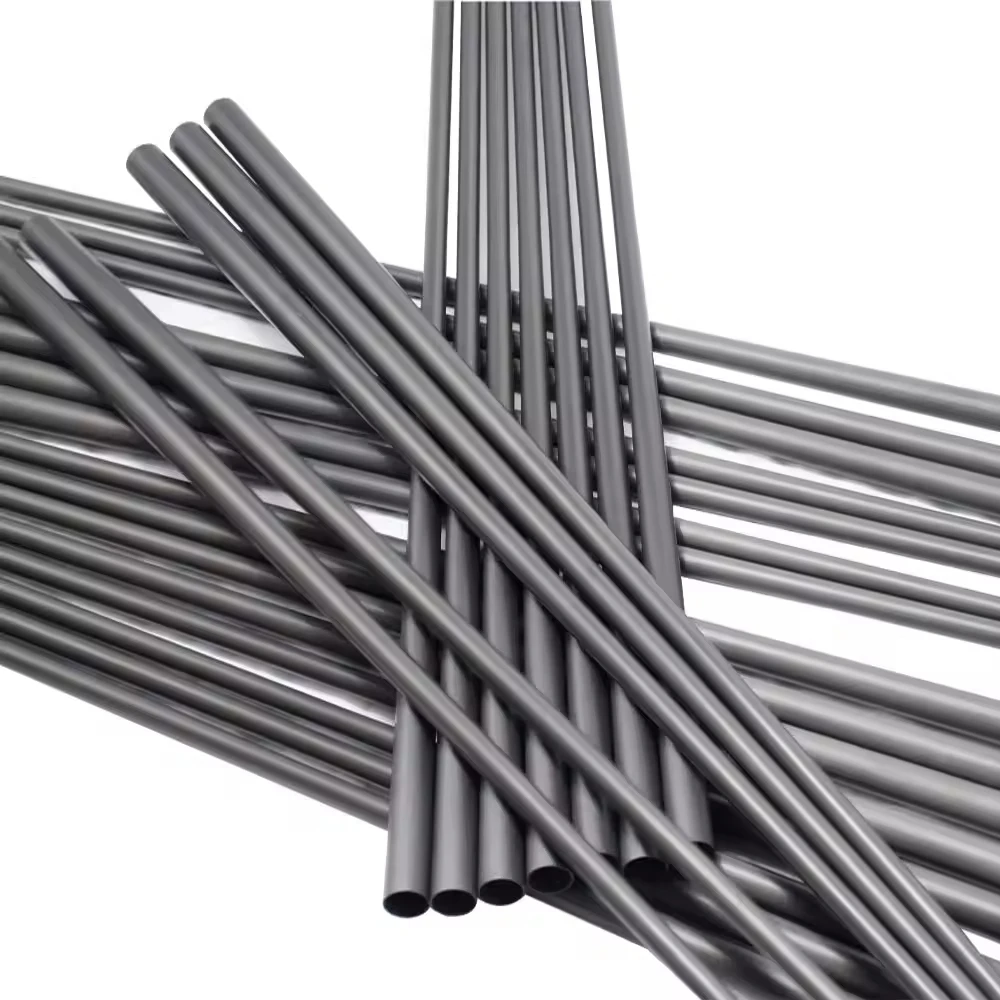
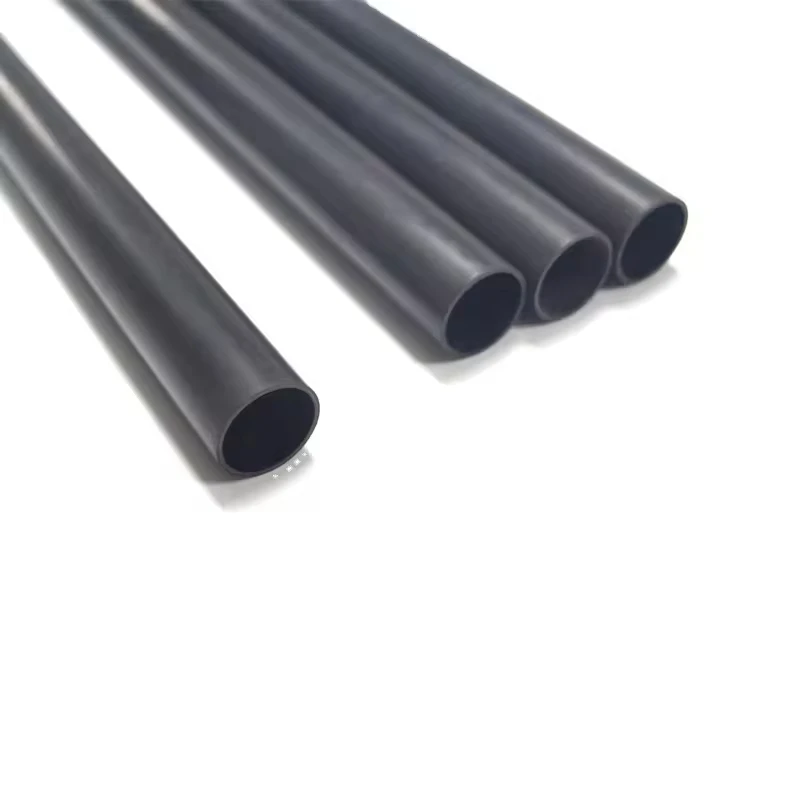
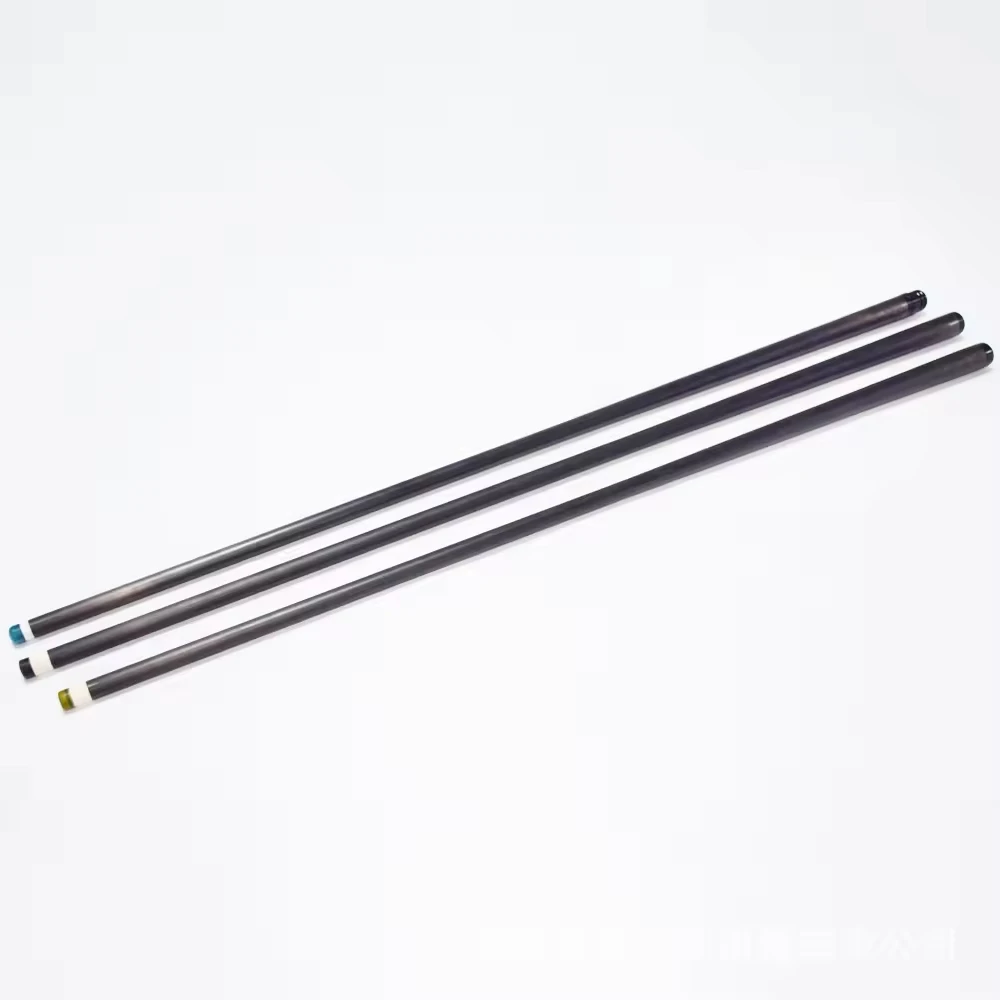
Carbon fiber cue shaft performance is defined by structural design variables rather than material alone.
| Design Variable | Industry-Accepted Data Range | Engineering Basis | Performance Impact |
|---|---|---|---|
| Tip Diameter | Pool: 12.0–13.5 mm Snooker: 8.0–11.0 mm | Front-end mass scales with diameter squared | Smaller tips reduce contact area and mass → higher precision; larger tips improve forgiveness and durability |
| Front-End Mass (Relative) | ~10–20% lower than traditional maple shafts | Composite wall design allows mass redistribution | Primary driver of low-deflection behavior during off-center hits |
| Shaft Length | 27–30 in (standard front section) | Matches professional cue geometry norms | Affects balance point and stroke consistency |
| Taper Profile Length | Pool: ~12–14 in constant taper Snooker: ~16–20 in gradual taper | Controls flex gradient along shaft | Longer tapers increase feedback sensitivity; shorter tapers favor stability |
| Axial Stiffness (Relative) | Higher and more consistent than wood shafts (± very low batch variance) | Fiber orientation aligned with shaft axis | Improves energy transfer consistency and shot repeatability |
| Radial / Hoop Stiffness | Significantly higher than wood (order-of-magnitude improvement in ovalization resistance) | Carbon fiber laminate resists cross-section deformation | Enhances impact durability, especially in break and jump cue shafts |
| Wall Thickness Distribution | Variable, typically thinner near mid-shaft | Structural tuning via laminate sequencing | Balances vibration damping and tactile feedback |
| Joint Interface Diameter & Thread | Radial / Uni-Loc / custom (industry-standard systems) | Mechanical compatibility requirement | Ensures efficient energy transfer and system integrity |
| Straightness Stability | Long-term deviation ≈ negligible under normal conditions | Low thermal expansion and moisture insensitivity | Prevents warping and long-term performance drift |
| Environmental Sensitivity | Minimal change across humidity and temperature ranges | Composite material behavior vs hygroscopic wood | Reliable performance in global distribution and tournament use |
| Manufacturing Tolerance | Tighter and more repeatable than wood shafts | Controlled composite processing | Enables OEM batch-to-batch consistency |
The following specifications represent industry-accepted configurations commonly used in carbon fiber cue shafts.
| Élément de spécification | Industry-Accepted Range | Notes |
|---|---|---|
| Shaft Length | 27–30 in | Standard front-section length used in most pool and hybrid cue systems |
| Tip Diameter (Pool) | 12.0–13.5 mm | Balances accuracy and forgiveness in pool cues |
| Tip Diameter (Snooker) | 8.0–11.0 mm | Smaller diameters for precision-focused snooker play |
| Tip Diameter (Carom) | ~11.0–12.0 mm | Optimized for rebound control in three-cushion billiards |
| Taper Profile | Pro taper · Long taper · Custom | Selected based on discipline and player preference |
| Joint Compatibility | Radial · Uni-Loc · Custom threads | Must match existing cue butt systems |
| Finition de la surface | Matte · Gloss | Matte finishes commonly preferred for stable hand feel |
| Straightness Tolerance | Tight, batch-consistent | Composite structure minimizes long-term deviation |
| Formulaire de fourniture | Finished shafts · Shaft blanks | Blanks supplied for OEM and custom cue builders |
Consistent performance in carbon fiber cue shafts depends on controlled composite manufacturing rather than individual craftsmanship.
Carbon fiber cue shafts are manufactured using repeatable composite processes that allow mechanical behavior to be engineered and maintained across production batches.
Unlike wooden cue shafts—where performance varies with grain structure and material aging—carbon fiber shafts rely on controlled fiber placement, laminate sequencing, and curing parameters to achieve predictable results.
This manufacturing approach is particularly important for OEM cue programs, where batch-to-batch consistency is critical.
| Manufacturing Aspect | Control Method | Impact on Performance |
|---|---|---|
| Orientation des fibres | Directional layup aligned with shaft axis | Determines axial stiffness and energy transfer consistency |
| Laminate Sequencing | Controlled ply stacking order | Enables tuning of flex and vibration response |
| Contrôle de l'épaisseur des murs | Precision mandrel and layup control | Balances front-end mass and shaft stability |
| Curing Process | Regulated temperature and time cycles | Ensures dimensional stability and resin consolidation |
| Straightness Control | Post-cure inspection and correction | Maintains long-term shaft alignment |
| Batch Traceability | Material and process tracking | Guarantees repeatable performance in OEM production |
For professional players and cue brands alike, performance repeatability is often more valuable than peak performance in a single shaft.
Carbon fiber cue shafts manufactured under controlled processes offer:
Predictable deflection behavior
Uniform hit feel across multiple shafts
Reduced long-term variability compared with wood
This makes carbon fiber particularly suitable for brand-standardized cue lines and long-term supply programs.
Carbon fiber cue shafts may be supplied as:
Finished shafts, ready for assembly
Cue shaft blanks, for downstream machining and taper profiling
OEM support typically includes:
Custom taper and stiffness tuning
Joint compatibility development
Volume-based production planning
All configurations are developed with manufacturability and consistency as primary considerations.
Selecting the appropriate carbon fiber cue shaft requires evaluating application requirements, structural design factors, and system compatibility.
Choose the shaft configuration based on the intended discipline, such as pool, break, jump, snooker, or carom, as each imposes distinct performance demands.
Tip diameter affects front-end mass, precision, and forgiveness, and should be selected according to control requirements and playing style rather than preference alone.
Taper geometry determines how stiffness and feedback are distributed along the shaft, influencing stroke feel and consistency.
Low-deflection behavior is primarily driven by front-end mass management and should be balanced with desired feedback and stiffness characteristics.
The shaft must match the joint type, interface dimensions, and energy transfer characteristics of the existing cue system.
Selection should account for whether a finished shaft or a shaft blank is required, as well as batch-to-batch consistency expectations for OEM programs.
Carbon fiber cue shafts are applied across different billiard scenarios where consistency, stability, and discipline-specific performance are required.
| Application Scenario | Typical Cue Type | Key Performance Requirements | Relevant Design Considerations |
|---|---|---|---|
| Professional Pool Competition | Pool cue shafts | Low deflection, consistent feedback, shot repeatability | Controlled front-end mass, balanced axial stiffness, pro taper profiles |
| Tournament & Training Cues | Pool cue shafts | Predictable response across multiple shafts | Manufacturing consistency, tight dimensional tolerance |
| Break Cue Systems | Break cue shafts | High impact resistance, efficient energy transfer | Increased axial and radial stiffness, reinforced laminate structure |
| Jump Cue Applications | Jump cue shafts | Fast energy response, durability under repeated jumps | High stiffness-to-weight ratio, compact shaft geometry |
| Snooker Cue Play | Snooker cue shafts | Precision control, fine feedback sensitivity | Small tip diameters (8–11 mm), long gradual tapers, refined flex tuning |
| Carom / Three-Cushion Billiards | Carom cue shafts | Controlled rebound behavior, stiffness consistency | Stable axial stiffness, low dimensional variability |
| OEM & Private-Label Cue Programs | Finished shafts or shaft blanks | Batch-to-batch consistency, scalability | Controlled composite processing, material traceability |
| Custom Cue Building & Prototyping | Cue shaft blanks | Design flexibility, downstream machining | Semi-finished blanks, customizable taper and joint integration |
| Global Distribution & Variable Environments | All cue shaft types | Long-term straightness and reliability | Low moisture sensitivity, minimal thermal expansion |
A cue manufacturer previously relied on traditional wooden cue shafts for its mid- to high-end pool cue product line.
While wood shafts were familiar to players, the brand faced increasing challenges related to performance variability and long-term consistency, particularly as sales expanded into regions with different climate conditions.
As production volume increased, several limitations of wood shafts became more pronounced:
Inconsistent straightness caused by natural grain variation
Sensitivity to humidity and temperature, leading to warping during storage and shipping
Batch-to-batch performance differences, making it difficult to standardize cue feel
Increased after-sales adjustments and replacements, raising service costs
These factors made it difficult for the brand to maintain a consistent playing experience across its product range.
Carbon fiber cue shafts were evaluated as an alternative due to their engineered material properties rather than aesthetic appeal.
The key reasons for selection included:
Dimensional stability unaffected by environmental changes
Predictable stiffness and mass distribution, enabling repeatable shaft behavior
Reduced variability across production batches, supporting scalable manufacturing
Compatibility with existing cue designs through joint and taper customization
Rather than changing the overall cue design, the manufacturer replaced only the performance-critical shaft component, preserving the brand’s existing butt designs.
The transition was implemented through:
Initial testing using carbon fiber cue shaft blanks
Taper and tip geometry tuning to match the feel of existing wood shafts
Gradual rollout across selected cue models
This phased approach allowed performance alignment without disrupting the existing product lineup.
Following adoption of carbon fiber cue shafts, the manufacturer observed measurable operational and commercial benefits:
Improved product consistency, enabling standardized cue lines
Reduced after-sales service requests related to warping and straightness
Lower rejection and adjustment rates during assembly
Increased confidence in international distribution, with fewer climate-related issues
Stronger positioning of the product line as performance-driven and modern, supporting premium pricing
Rather than replacing craftsmanship, carbon fiber shafts enabled the brand to scale quality reliably.
A carbon fiber cue shaft is the front playing section of a billiard cue made from carbon fiber reinforced composite materials.
It is designed to provide consistent stiffness, reduced variability, and long-term dimensional stability compared with traditional wood shafts.
Not exactly.
In most cases, a carbon fiber pool cue refers to a cue that uses a carbon fiber cue shaft, while the butt remains wood or composite.
The shaft is the primary performance component, which is why carbon fiber adoption focuses on the shaft rather than the entire cue.
Players and manufacturers choose carbon fiber cue shafts for their dimensional stability, consistency, and predictable performance.
Unlike wood, carbon fiber is not affected by humidity or grain variation, making it more suitable for standardized and professional cue systems.
Carbon fiber cue shafts can be engineered for low deflection by controlling front-end mass distribution.
Deflection behavior depends on shaft design rather than material alone, but carbon fiber allows more precise mass control than wood.
Carbon fiber snooker cue shafts typically use tip diameters ranging from 8 mm to 11 mm, depending on playing style and application requirements.
Smaller tips emphasize precision, while larger tips offer slightly more forgiveness.
Oui.
Carbon fiber cue shafts are well suited for break and jump cues because their stiffness and durability can be tuned to handle repeated high-impact shots and fast energy transfer.