Por qué nos eligen nuestros clientes :
- Fabricante-Control Directo
- Apoyo técnico
- Calidad constante
- Plazos de entrega fiables

| Material | Densidad (g/cm³) | Resistencia a la tracción (MPa) | Fuerza específica | Módulo de tracción (GPa) | Fuente de datos | |
| Compuesto de fibra de carbono (epoxi) | 1.5-1.8 | 600-1500 | 400-1000 | 70-230 | ASM / NASA | |
| Aluminio 6061-T6 | 2.7 | ~310 | ~115 | 69 | Asociación del Aluminio | |
| Acero estructural (A36) | 7.85 | 400-550 | ~55 | 200 | Acero mundial | |
| Compuesto E-Glass | 1.9-2.1 | 500-900 | ~260-430 | 20-30 | Owens Corning | |
En el diseño práctico, la deformación de la fibra de carbono suele interpretarse como la deformación hasta el fallo, mientras que el módulo de la fibra de carbono define la rigidez a lo largo de la dirección de la fibra.
La resistencia a la tracción de la fibra de carbono indica la capacidad de carga máxima antes del fallo, pero debe evaluarse junto con la orientación de la fibra y el diseño del laminado.
| Material | Comportamiento ante la fatiga | Resistencia a la corrosión | Referencia |
| Compuesto de fibra de carbono | Pérdida mínima de resistencia tras 10⁶ ciclos. | Excelente | ASTM D3479 / FAA |
| Aleaciones de aluminio | Agrietamiento progresivo por fatiga | Bien | ASM |
| Acero estructural | Alta sensibilidad a la fatiga | Pobre-Justo | Acero mundial |
| Compuesto de fibra de vidrio | Buena resistencia a la fatiga | Excelente | CompositesWorld |
El rendimiento real varía en función del grado de aleación, la arquitectura de la fibra, el sistema de resina y el proceso de fabricación. Los datos anteriores representan rangos de referencia de ingeniería típicos utilizados para la comparación de materiales.
El material de fibra de carbono se suministra en múltiples formas de producto para satisfacer diferentes requisitos estructurales, de mecanizado y de montaje.

Los tubos de fibra de carbono son formas estructurales huecas diseñadas para ofrecer una gran rigidez a la flexión y resistencia a la torsión con un peso reducido.

Las planchas y placas de fibra de carbono son materiales laminados planos que se suministran para mecanizado, corte y fabricación secundaria.
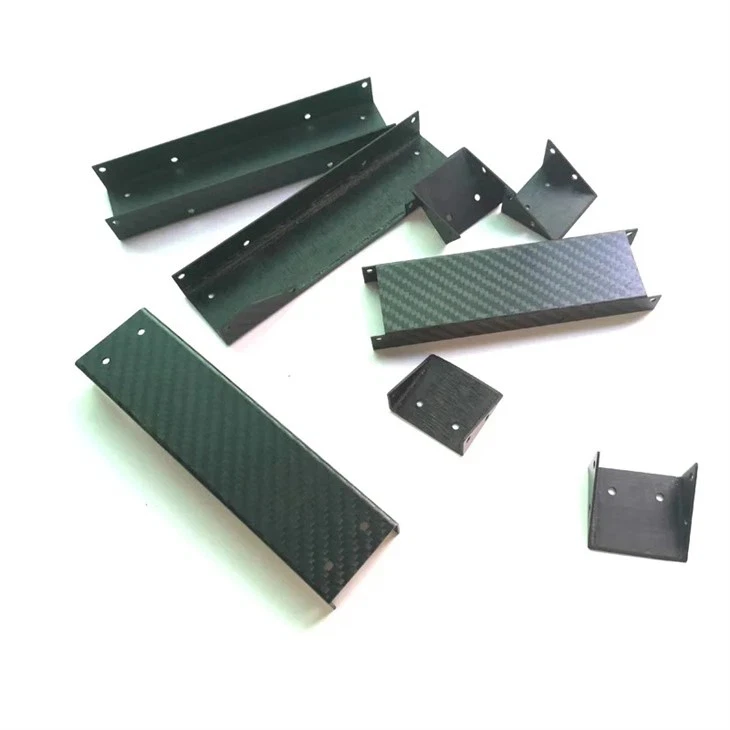
La fibra de carbono puede convertirse en piezas y perfiles estructurales a medida mediante procesos de moldeado, laminado y mecanizado.
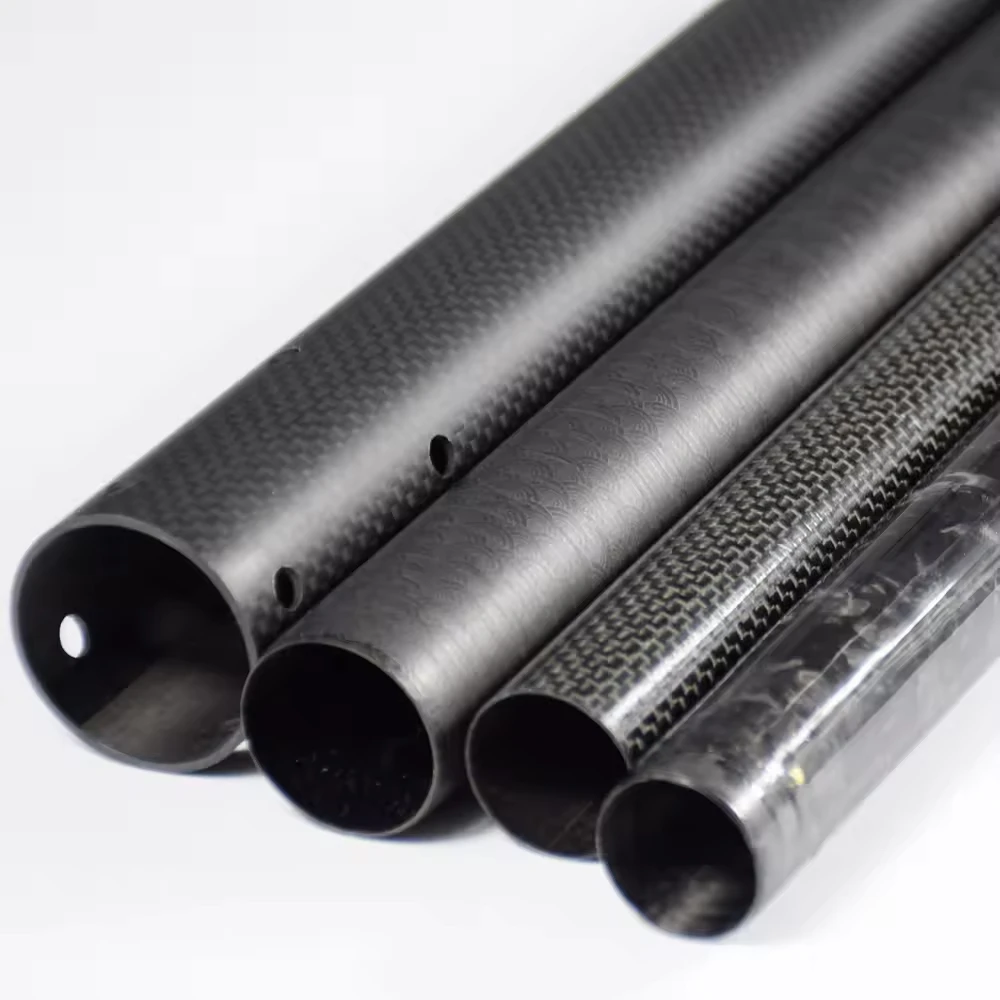
Las varillas de fibra de carbono son perfiles sólidos de material compuesto que ofrecen una gran rigidez axial y estabilidad dimensional.
La selección de la forma del producto de fibra de carbono depende de las condiciones de carga, la geometría, el método de fabricación y consideraciones de coste.
Aunque la fibra de carbono ofrece ventajas de rendimiento excepcionales, su uso eficaz requiere un diseño de ingeniería adecuado y una comprensión de sus limitaciones como material.
Anisotropía y dirección de la carga
Los compuestos de fibra de carbono son materiales anisótropos, lo que significa que sus propiedades mecánicas varían con la orientación de las fibras.
La máxima resistencia y rigidez se consiguen a lo largo de la dirección de las fibras, por lo que el diseño del laminado y la definición de la trayectoria de la carga son fundamentales en las aplicaciones estructurales.
Comportamiento ante fallos y sensibilidad al impacto
A diferencia de los metales, la fibra de carbono no se deforma plásticamente antes de fallar.
Una sobrecarga o un impacto pueden provocar una fractura repentina o una deslaminación interna, que puede no ser visible en la superficie, pero que puede reducir significativamente la integridad estructural.
Fabricación y costes
Los componentes de fibra de carbono requieren procesos de fabricación especializados, utillaje y control de calidad.
El coste del material, la complejidad del procesamiento y el volumen de producción deben evaluarse en una fase temprana para equilibrar las ventajas de rendimiento con la viabilidad económica.
Límites ambientales y térmicos
El rendimiento de los compuestos de fibra de carbono depende en gran medida del sistema de resina seleccionado.
La gama de temperaturas de servicio, la resistencia a los rayos UV y la durabilidad frente a la humedad dependen de la química de la resina y de la protección de la superficie más que de las propias fibras de carbono.
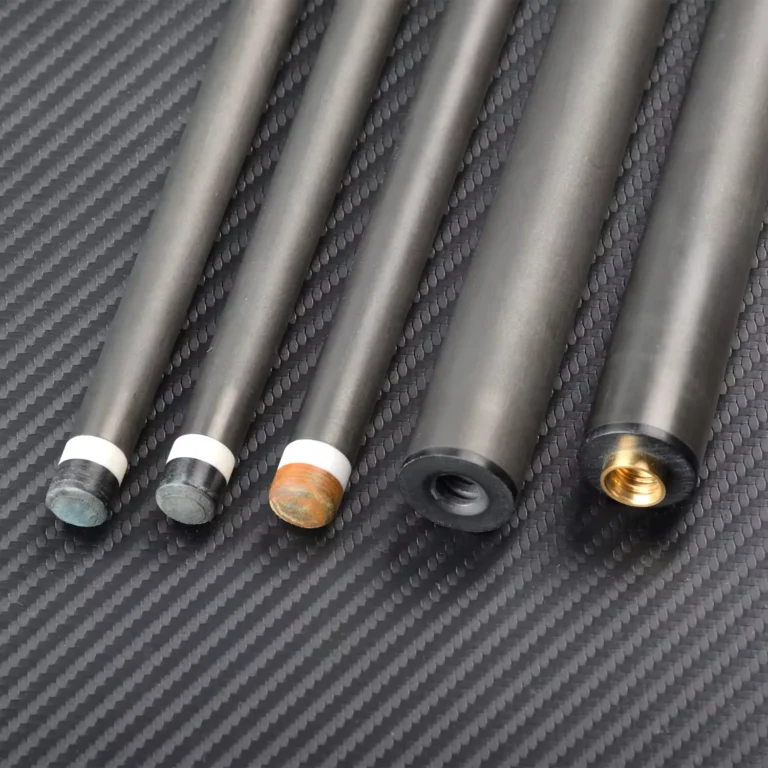
Cañas de flecha de carbono, tacos de billar, cañas de hockey, cañas de lacrosse y componentes deportivos de CFRP
Productos OEM de fibra de carbono y compuestos fabricados para aplicaciones de rigidez, reducción de peso y equipamiento deportivo de alto rendimiento.
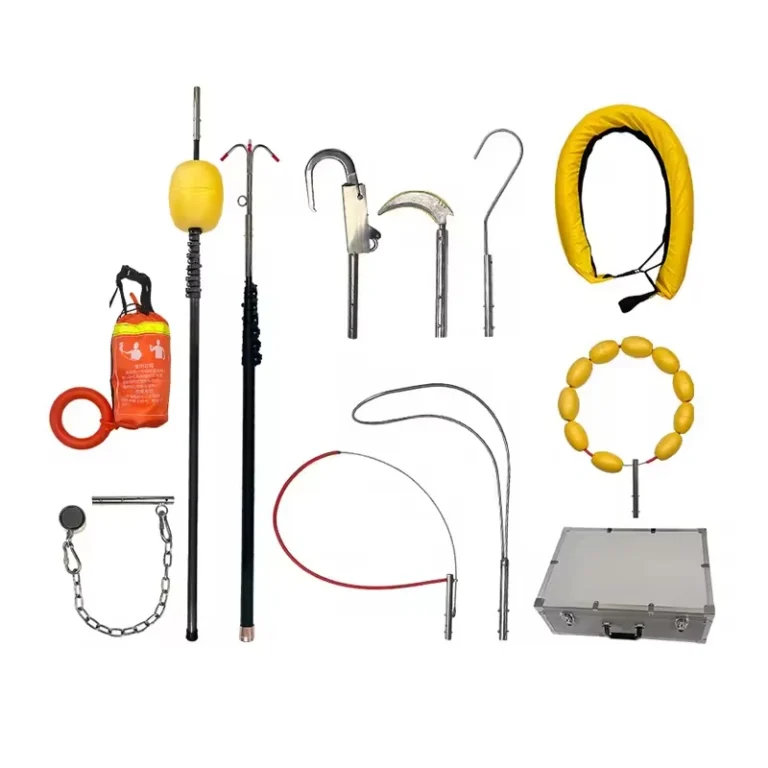
Pértigas de limpieza, pértigas de inspección, herramientas de campo y componentes compuestos telescópicos
Productos de fibra de carbono ligeros y duraderos optimizados para la portabilidad, el alcance y la fiabilidad operativa en herramientas para exteriores.
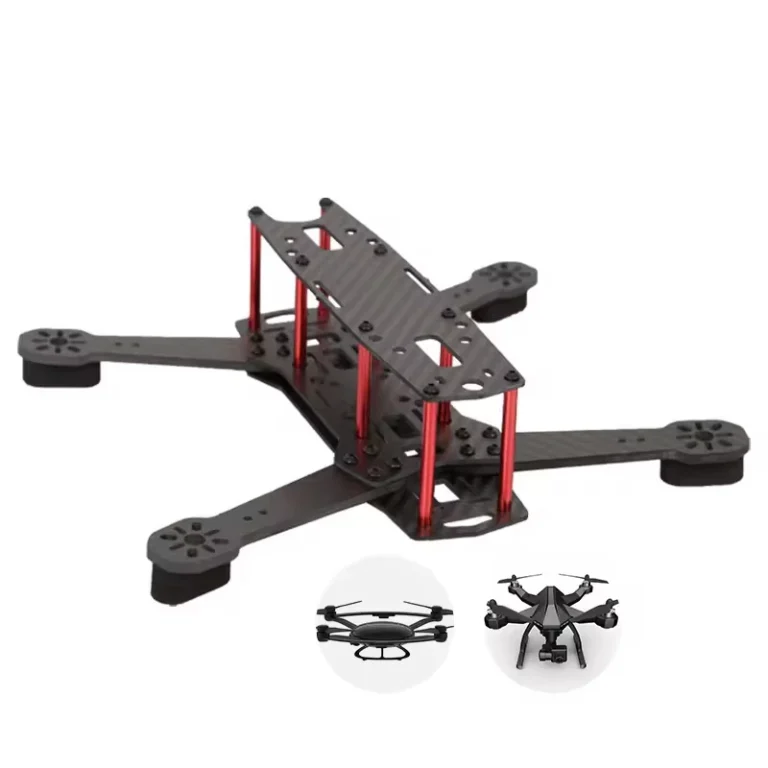
Bastidores de drones, brazos, trenes de aterrizaje y componentes estructurales ligeros
Estructuras de fibra de carbono de alta resistencia diseñadas para optimizar la relación resistencia-peso en aplicaciones de UAV y drones.
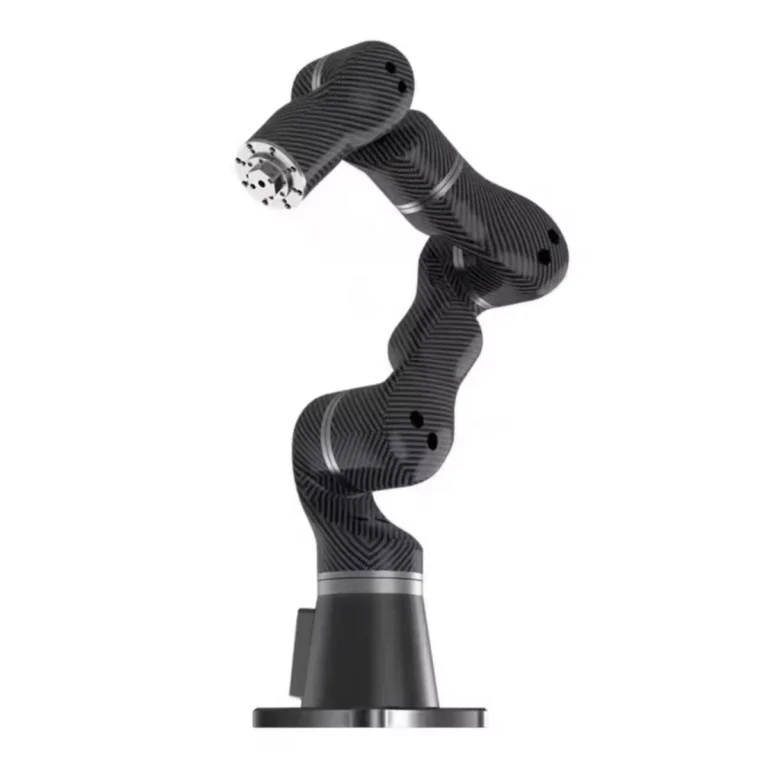
Brazos robóticos, plumas, eslabones estructurales y componentes de CFRP personalizados
Piezas de materiales compuestos fabricadas con precisión y diseñadas para ofrecer rigidez, estabilidad dimensional y rendimiento dinámico en sistemas robóticos.
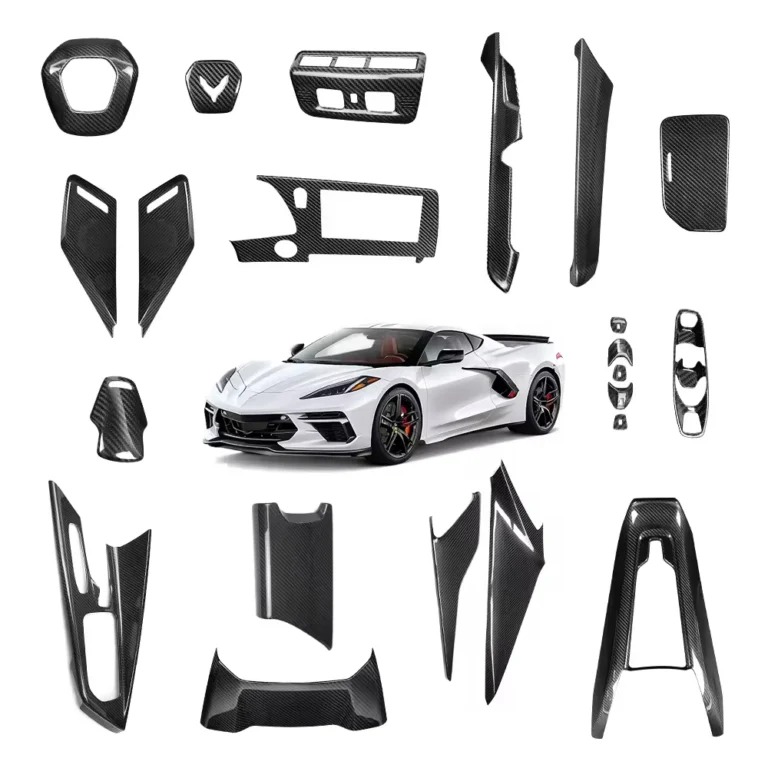
Refuerzos estructurales, piezas de revestimiento interior y componentes de CFRP personalizados
Soluciones de fibra de carbono centradas en la reducción de peso, la integración funcional y la durabilidad para aplicaciones de automoción y movilidad.
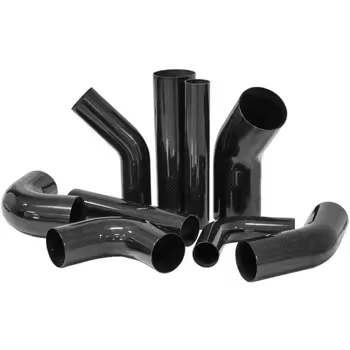
Pértigas de limpieza, pértigas de inspección, herramientas de campo y componentes compuestos telescópicos
Productos de fibra de carbono ligeros y duraderos optimizados para la portabilidad, el alcance y la fiabilidad operativa en herramientas para exteriores.
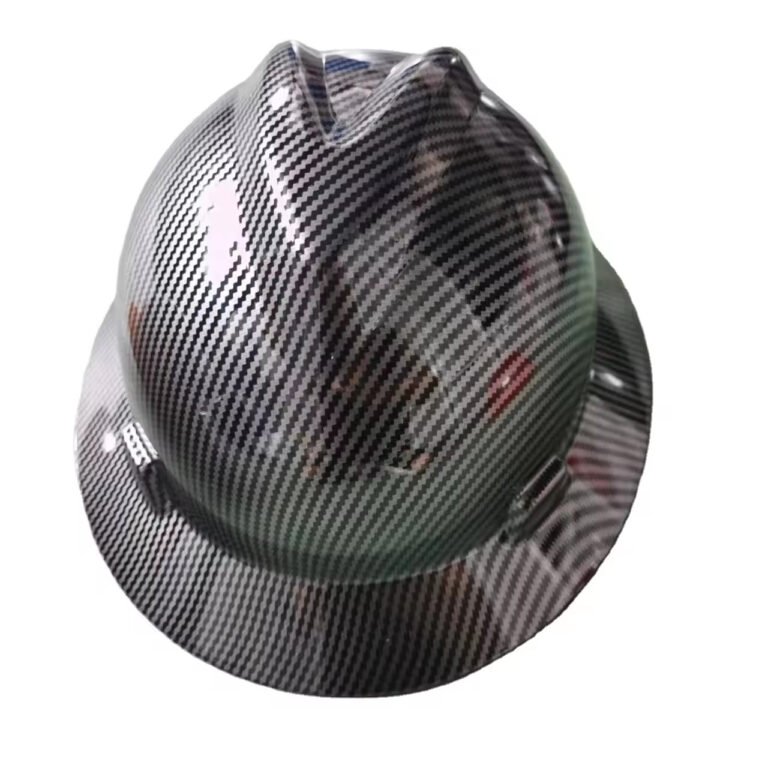
Insertos de protección, cascos, paneles de refuerzo y componentes compuestos resistentes a los impactos
Piezas de fibra de carbono y materiales compuestos diseñadas para la protección, la integridad estructural y las aplicaciones críticas para la seguridad.
La comparación que figura a continuación se basa en manuales públicos de ingeniería, bases de datos de material aeroespacial y normas industriales, de referencia habitual en la selección de materiales.
| Material | Densidad (g/cm³) | Referencia |
|---|---|---|
| Compuesto de fibra de carbono (epoxi) | 1.5 - 1.8 | ASM Internacional |
| Aluminio 6061-T6 | 2.70 | La Asociación del Aluminio |
Implicaciones para la ingeniería:
Los compuestos de fibra de carbono suelen 30-45% encendedor que el aluminio para un volumen estructural equivalente, por lo que son preferibles en diseños de peso crítico.
| Material | Resistencia a la tracción (MPa) | Densidad (g/cm³) | Fuerza específica |
|---|---|---|---|
| Compuesto de fibra de carbono | 600 - 1500 | 1.5 - 1.8 | 400 - 1000 |
| Aluminio 6061-T6 | ~310 | 2.70 | ~115 |
*Resistencia específica = Resistencia a la tracción / Densidad (comparación relativa)
Fuentes de datos:
Manual ASM, Volumen 21 - Materiales compuestos
Asociación del Aluminio - Ficha técnica 6061-T6
Implicaciones para la ingeniería:
La fibra de carbono ofrece 3-8× mayor fuerza específica que el aluminio, razón por la cual sustituye al aluminio en la industria aeroespacial, los vehículos aéreos no tripulados y las estructuras de alto rendimiento.
| Material | Módulo de tracción (GPa) | Referencia |
|---|---|---|
| Compuesto de fibra de carbono | 70 - 230 (dirección de la fibra) | NASA |
| Aluminio 6061-T6 | ~69 | Asociación del Aluminio |
Implicaciones para la ingeniería:
El aluminio proporciona rigidez isotrópica (igual en todas las direcciones).
La rigidez de la fibra de carbono es en función de la dirección, Esto permite a los ingenieros colocar la rigidez sólo donde se necesita, lo que se traduce en estructuras más ligeras.
| Aspecto del rendimiento | Fibra de carbono | Aluminio | Referencia |
|---|---|---|---|
| Comportamiento ante la fatiga | Degradación mínima tras 10⁶ ciclos. | Crecimiento progresivo de la grieta | ASTM D3479 / ASM |
| Resistencia a la corrosión | Inmune a la corrosión | Susceptible sin protección | NASA / ASM |
| Vida útil típica | 15-25+ años | Depende del diseño | FAA / ASM |
Implicaciones para la ingeniería:
La fibra de carbono se comporta excepcionalmente bien en entornos de carga cíclica, mientras que el aluminio requiere una gestión cuidadosa de la fatiga y la corrosión.
| Parámetro | Compuesto de fibra de carbono | Aluminio | Referencia |
|---|---|---|---|
| Coeficiente de dilatación térmica | -0,1 a 1,0 µm/m-K | ~23 µm/m-K | NASA |
| Temperatura de servicio continuo | Depende de la resina (120-250 °C) | >200 °C | ASM |
Implicaciones para la ingeniería:
La fibra de carbono ofrece excelente estabilidad dimensional con los cambios de temperatura, mientras que el aluminio se dilata considerablemente con el calor.
| Factor | Fibra de carbono | Aluminio |
|---|---|---|
| Coste del material | Más alto | Baja |
| Fabricación | Colocación, moldeado y curado de compuestos | Mecanizado, extrusión, conformado |
| Flexibilidad de diseño | Alta (diseños personalizados) | Moderado |
| El mejor caso de uso | Peso crítico, alto rendimiento | Sensible a los costes, gran volumen |
La fibra de carbono se suele elegir en lugar del aluminio cuando:
La reducción de peso es fundamental
Se requiere una gran resistencia o rigidez específica
La resistencia a la fatiga y la inmunidad a la corrosión son importantes
La optimización estructural personalizada justifica el mayor coste de los materiales
El aluminio sigue siendo ventajoso cuando:
Predomina la sensibilidad a los costes
Se prefieren las propiedades isotrópicas
Se requieren grandes volúmenes y geometrías sencillas
Manual ASM, Volumen 21 - Materiales compuestos
Sistema de información técnica sobre materiales y procesos de la NASA (MAPTIS)
ASTM D3039 / ASTM D3479
The Aluminum Association - Fichas técnicas del aluminio 6061-T6
Circular consultiva de la FAA AC 20-107B
Sí, la fibra de carbono tiene un relación resistencia-peso que el acero.
Mientras que el acero puede ofrecer una mayor resistencia absoluta a granel, la fibra de carbono proporciona una resistencia a la tracción comparable o superior con un peso mucho menor, lo que la hace más eficiente en aplicaciones estructurales sensibles al peso.
En términos de resistencia y rigidez específicas, la fibra de carbono supera al aluminio.
Los compuestos de fibra de carbono pueden alcanzar una relación resistencia-peso varias veces superior a la de las aleaciones de aluminio, razón por la que se eligen a menudo en el sector aeroespacial, los vehículos aéreos no tripulados y los diseños estructurales de alto rendimiento.
La fibra de carbono no se deforma plásticamente como los metales y se considera una material quebradizo en el comportamiento de fracaso.
Cuando se sobrecarga, puede fallar repentinamente en lugar de doblarse, razón por la cual el diseño adecuado del laminado, los factores de seguridad y las consideraciones de impacto son fundamentales en las aplicaciones de ingeniería.
Tensión de la fibra de carbono suele referirse a la deformación hasta la rotura, que indica cuánta deformación puede soportar el material antes de fracturarse.
Para los materiales compuestos de fibra de carbono estándar, los valores de deformación hasta el fallo suelen oscilar entre aproximadamente 1,3% a 2,1%, dependiendo del grado de fibra, el sistema de resina y la arquitectura del laminado.
Los compuestos de fibra de carbono ofrecen excelentes resistencia a la fatiga y no se corroen como los metales.
Cuando se diseñan adecuadamente y se protegen de impactos excesivos o de la exposición ambiental, los componentes de fibra de carbono pueden alcanzar vidas útiles de 15-25 años o más en aplicaciones estructurales.
Las fibras de carbono en sí son térmicamente estables, pero la sistema de resina determina la resistencia al calor y a la humedad.
La temperatura de servicio continuo y la durabilidad medioambiental dependen de la selección de la resina, la protección de la superficie y las condiciones de funcionamiento, más que de las fibras de carbono por sí solas.
La fibra de carbono puede no ser ideal para diseños sensibles a los costes y de gran volumen, Aplicaciones que requieran una deformación dúctil o entornos con fuertes impactos sin capacidad de inspección.
En tales casos, los metales o los compuestos alternativos pueden ofrecer un equilibrio más adecuado entre prestaciones y coste.