Por qué nos eligen nuestros clientes :
- Fabricante-Control Directo
- Apoyo técnico
- Calidad constante
- Plazos de entrega fiables
Carbon fiber and composite materials are widely used in industrial and utility applications where lightweight structures, corrosion resistance, and safe handling are critical.
In inspection, maintenance, and field operations, composite components help reduce operator fatigue, improve reach and stability, and lower long-term maintenance costs compared with traditional metal solutions.
Depending on the working environment, carbon fiber or fiberglass materials are selected to meet structural, safety, and insulation requirements.
From an engineering perspective, material selection for this application is based on the mechanical properties and limitations described in our Carbon Fiber Material Reference.
The following products represent typical composite applications in industrial and utility environments, where lightweight construction, durability, and safe handling are critical.
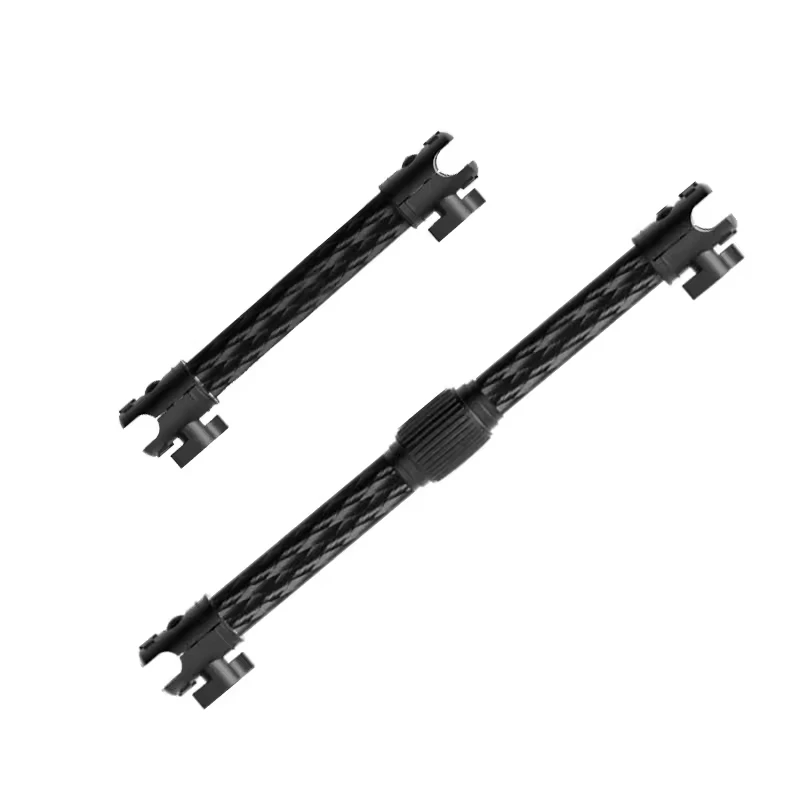
Carbon fiber support arms are commonly used as lightweight structural elements in industrial and utility systems for equipment mounting and support.
They are typically applied in sensor and camera mounting systems, utility equipment support structures, and lightweight industrial frames where reduced mass and stable support are required.
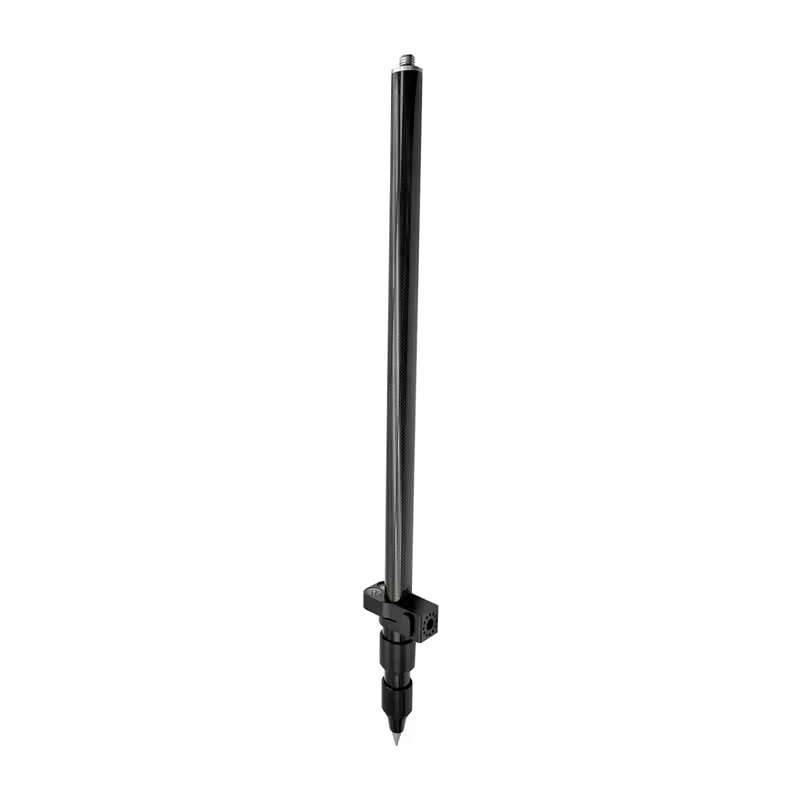
Carbon fiber inspection poles are typically applied in inspection and monitoring tasks that require stable reach and precise positioning.
They are commonly used in industrial and utility environments for visual inspection, camera positioning, and access to elevated or hard-to-reach inspection points.
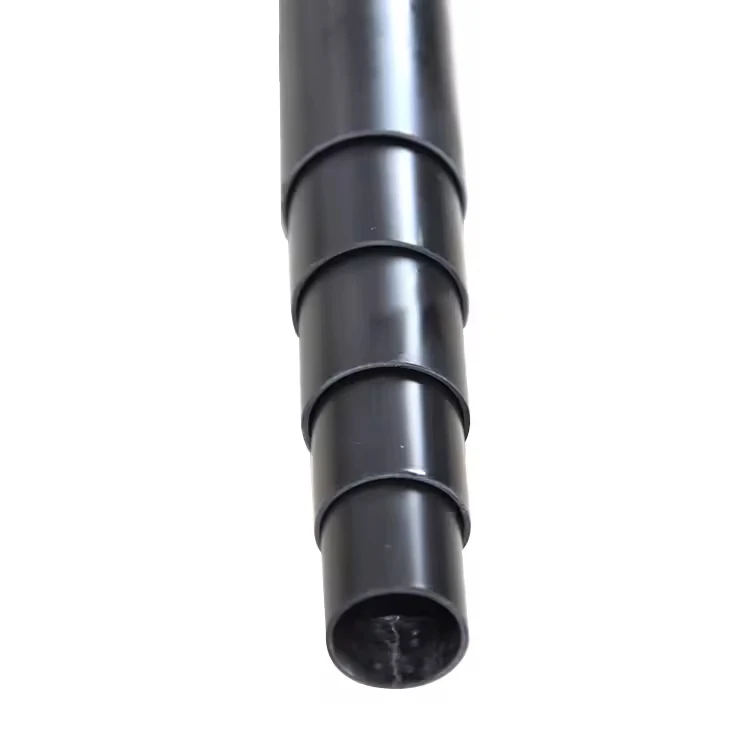
Portable carbon fiber poles are used in mobile and field operations where low weight and ease of handling are important.
These poles are commonly applied in temporary inspection and maintenance tasks that require frequent transportation and rapid deployment in outdoor environments.
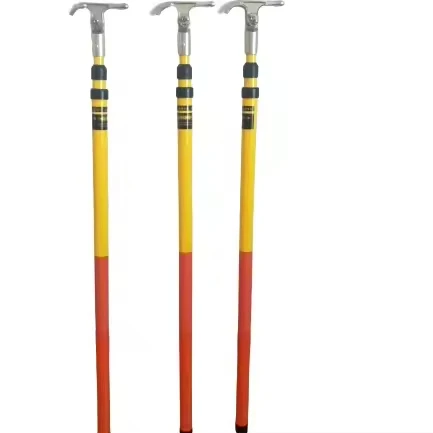
Fiberglass insulated poles are applied in utility environments where non-conductive tools are required for safety.
They are commonly used in electrical utility and maintenance operations, including live-line or near-electrical work where insulation is critical.
Carbon fiber and composite materials are integrated into a wide range of industrial and utility systems, particularly where reduced weight, structural stability, and environmental resistance are required.
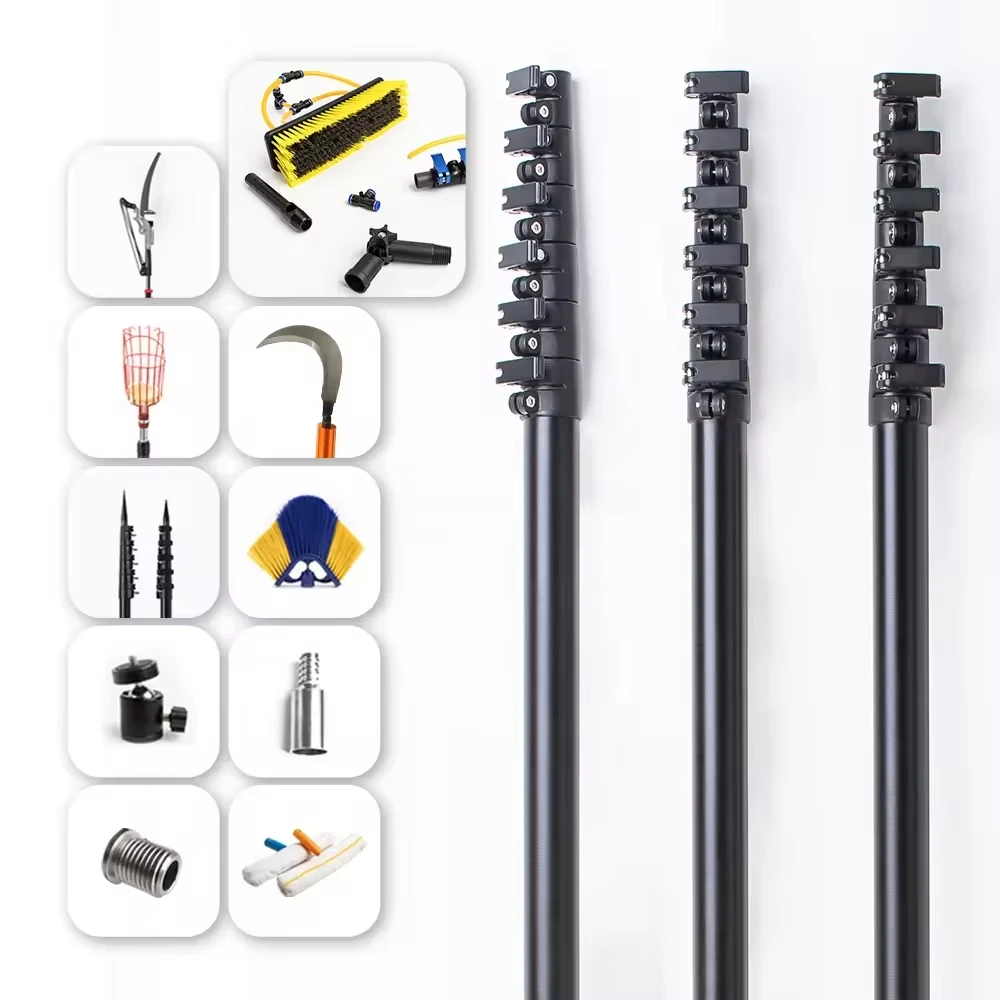
Carbon fiber tubes are commonly used in industrial and utility inspection systems and support structures where extended reach and structural rigidity are required.
Typical applications include inspection poles, camera masts, sensor support poles, and lightweight support arms used for monitoring and maintenance tasks.
→ Learn more about Carbon Fiber Tubes
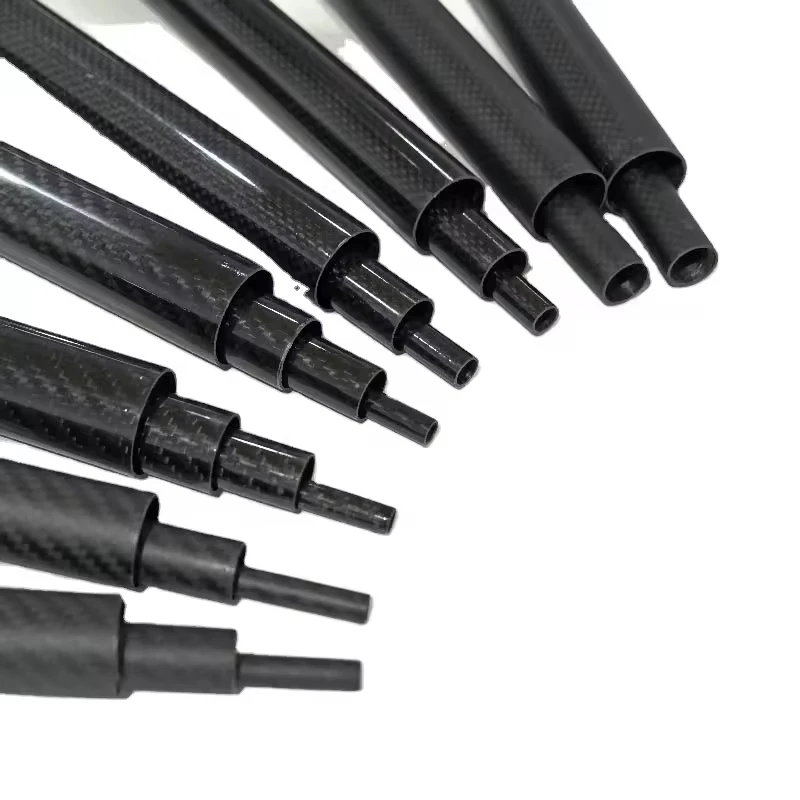
Telescopic composite tubes are widely applied in portable and field-use equipment that requires compact transport and rapid deployment.
In industrial and utility environments, these tubes are commonly used in portable inspection poles and access tools designed for mobile inspection and maintenance operations.
→ Learn more about Carbon Fiber Seets & Plates
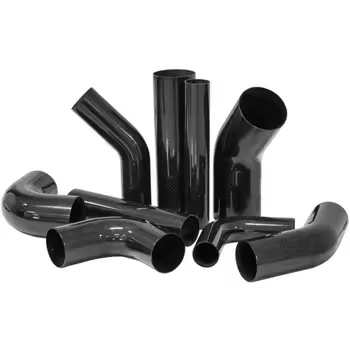
Carbon fiber rods are applied as internal reinforcement or load-carrying elements in lightweight industrial structures.
They are commonly integrated into support arms, structural linkages, and auxiliary components where stiffness and dimensional stability are required without adding excessive weight.
→ Learn more about Carbon Fiber Rods
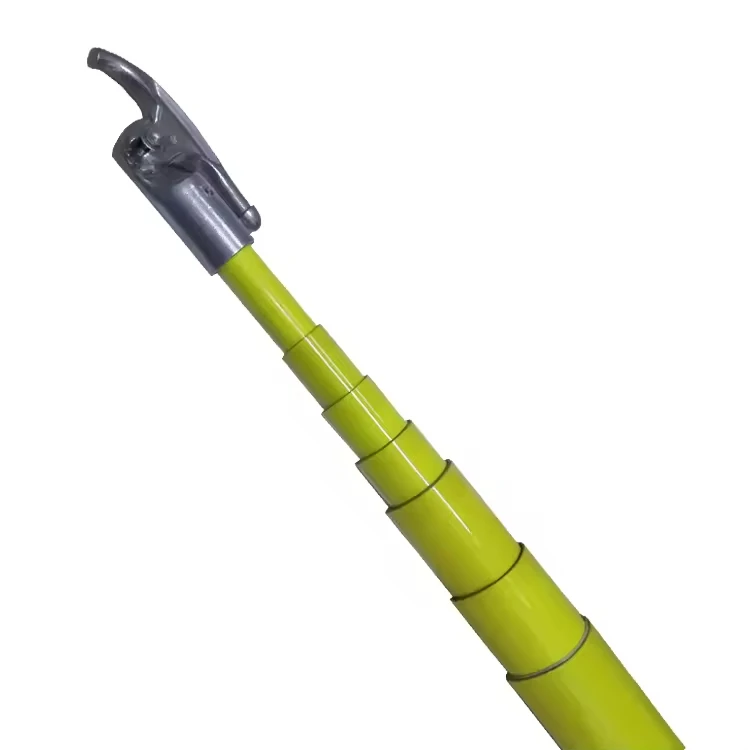
Fiberglass tubes are used in utility applications where electrical insulation is required.
Unlike carbon fiber, fiberglass is selected specifically for non-conductive applications such as insulated utility poles and tools used in electrically sensitive environments.
→ Learn more about Fiberglass Tubes
| Performance Characteristic | Typical Composite Behavior | Relevance in Industrial & Utility Applications |
| Density / Weight | Significantly lower than steel and aluminum | Enables easier handling for inspection poles, support arms, and portable field tools |
| Stiffness-to-Weight Ratio | High structural stiffness with reduced mass | Improves reach stability and positioning accuracy in inspection and monitoring systems |
| Corrosion Resistance | Resistant to moisture, chemicals, and outdoor exposure | Suitable for long-term outdoor and utility environments with reduced maintenance |
| Electrical Properties | Carbon fiber: conductiveFiberglass: non-conductive | Allows material selection based on electrical safety requirements in utility work |
| Fatigue Behavior | Good fatigue resistance under repeated loading | Supports repeated deployment and long-term use in field and inspection operations |
| Dimensional Stability | Minimal deformation under normal service conditions | Maintains alignment and accuracy in support and mounting structures |
Industrial and utility application products are typically manufactured using different composite product forms, selected based on functional and safety requirements.
Commonly used product forms include:
Each product form is integrated into application-specific designs rather than supplied as standalone materials.
Industrial & utility composite solutions are commonly customized based on the following application factors:
Each solution is developed with a focus on application performance, safety, and long-term reliability, rather than standard product specifications.
Carbon fiber is most commonly used in industrial and utility inspection systems, equipment support arms, and portable field-use tools where lightweight structure and corrosion resistance are required.
Carbon fiber inspection poles are used for lightweight stiffness and reach, while fiberglass insulated poles are used specifically in electrically sensitive utility environments where non-conductive properties are required.
Yes. Carbon fiber support arms are resistant to corrosion and moisture, making them suitable for long-term outdoor industrial and utility applications when properly designed.
Portable carbon fiber poles offer reduced weight and good structural rigidity, making them easier to transport, deploy, and handle during repeated field and inspection tasks.
Yes. Carbon fiber and fiberglass are often used together, with carbon fiber providing structural stiffness and fiberglass providing electrical insulation where required.
In most cases, yes. Industrial and utility application products such as support arms and inspection poles are commonly customized based on length, structure, load requirements, and installation interfaces.
Carbon fiber itself is electrically conductive, so fiberglass is typically used in applications requiring insulation. Material selection depends on the electrical safety requirements of the utility environment.
Composite products such as carbon fiber and fiberglass offer good fatigue resistance and environmental durability, supporting repeated use and long service life in industrial and utility environments.
We offer a broad range of composite solutions used in industrial and utility applications, covering inspection, support, and portable field-use systems.