Warum Kunden uns wählen :
- Hersteller-Direktsteuerung
- Technische Unterstützung
- Gleichbleibende Qualität
- Verlässliche Vorlaufzeit

| Material | Dichte (g/cm³) | Zugfestigkeit (MPa) | Spezifische Stärke* | Zugmodul (GPa) | Datenquelle | |
| Kohlenstofffaser-Verbundwerkstoff (Epoxid) | 1.5-1.8 | 600-1500 | 400-1000 | 70-230 | ASM / NASA | |
| Aluminium 6061-T6 | 2.7 | ~310 | ~115 | 69 | Aluminium-Verband | |
| Baustahl (A36) | 7.85 | 400-550 | ~55 | 200 | Weltstahl | |
| E-Glas-Verbund | 1.9-2.1 | 500-900 | ~260-430 | 20-30 | Owens Corning | |
In der praktischen Anwendung wird die Dehnung von Kohlenstofffasern üblicherweise als Dehnung bis zum Versagen interpretiert, während der Kohlenstofffasermodul die Steifigkeit entlang der Faserrichtung definiert.
Die Zugfestigkeit von Kohlenstofffasern gibt die maximale Belastbarkeit vor dem Versagen an, muss jedoch zusammen mit der Faserorientierung und dem Laminataufbau bewertet werden.
| Material | Ermüdungsverhalten | Korrosionsbeständigkeit | Referenz |
| Kohlefaser-Verbundwerkstoff | Minimaler Festigkeitsverlust nach 10⁶ Zyklen | Ausgezeichnet | ASTM D3479 / FAA |
| Aluminium-Legierungen | Fortschreitende Ermüdungsrisse | Gut | ASM |
| Konstruktionsstahl | Hohe Ermüdungsempfindlichkeit | Schlecht-Fair | Weltstahl |
| Glasfaser-Verbundwerkstoff | Gute Ermüdungsfestigkeit | Ausgezeichnet | CompositesWorld |
Die tatsächliche Leistung hängt von der Legierungssorte, der Faserarchitektur, dem Harzsystem und dem Herstellungsverfahren ab. Die obigen Daten stellen typische technische Referenzbereiche dar, die zum Materialvergleich verwendet werden.
Kohlefasermaterial wird in verschiedenen Produktformen geliefert, um unterschiedliche Anforderungen an Struktur, Bearbeitung und Montage zu erfüllen.

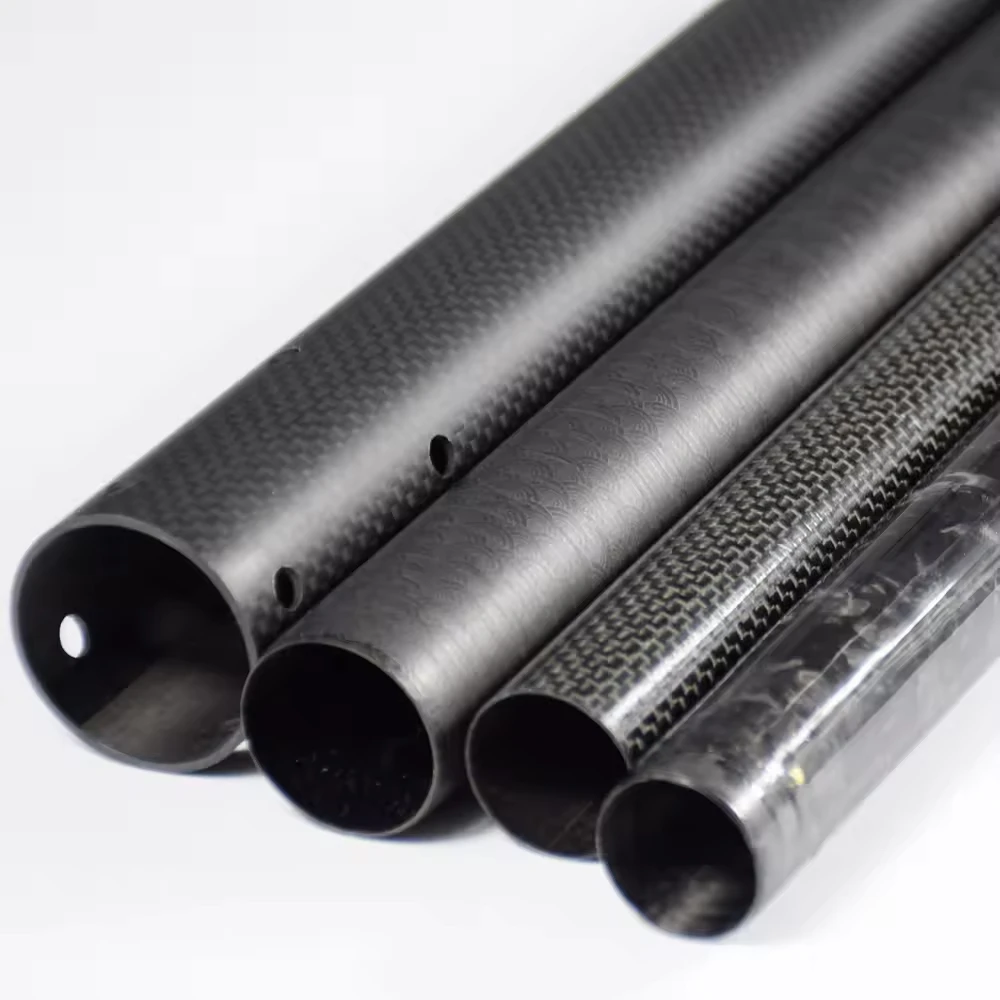
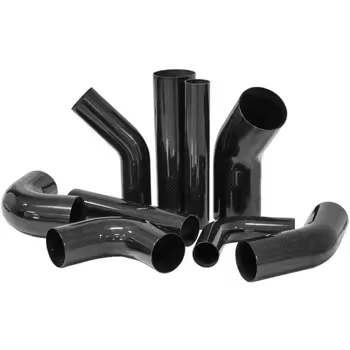
Kohlefaserrohre sind hohle Strukturformen, die eine hohe Biegesteifigkeit und Torsionsfestigkeit bei geringem Gewicht bieten.

Kohlefaserplatten und -bleche sind flache Laminatmaterialien, die zur Bearbeitung, zum Schneiden und zur Weiterverarbeitung geliefert werden.
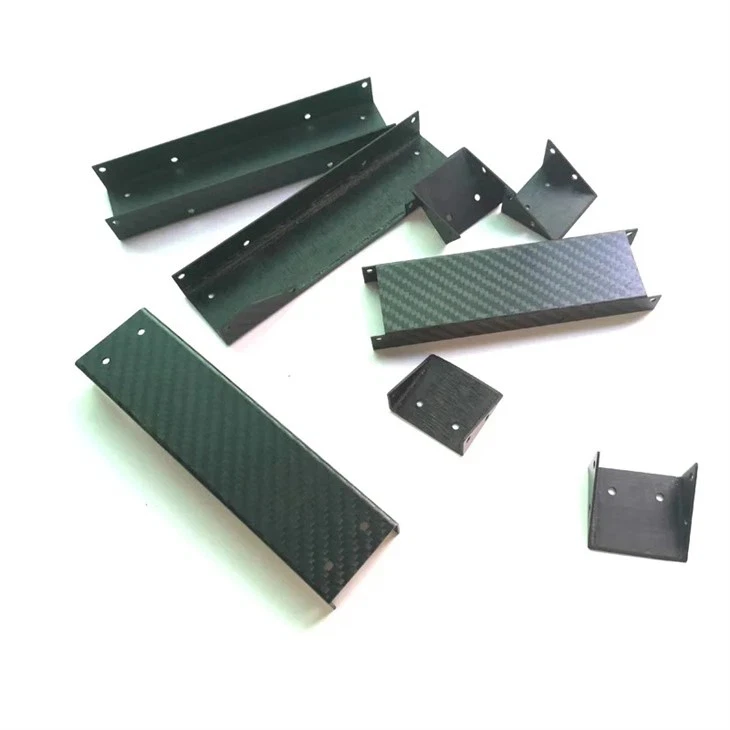
Kohlefasern können durch Formen, Legen und Bearbeiten zu kundenspezifischen Strukturteilen und Profilen verarbeitet werden.
Kohlefaserstäbe sind massive Verbundprofile mit hoher axialer Steifigkeit und Dimensionsstabilität.
Die Wahl der Form des Kohlefaserprodukts hängt von den Belastungsbedingungen, der Geometrie, der Herstellungsmethode und den Kosten ab.
Obwohl Kohlefaser außergewöhnliche Leistungsvorteile bietet, erfordert ihr effektiver Einsatz ein angemessenes technisches Design und das Wissen um die Grenzen des Materials.
Anisotropie & Lastrichtung
Kohlefaserverbundwerkstoffe sind anisotrope Werkstoffe, d. h. ihre mechanischen Eigenschaften variieren je nach Faserorientierung.
Maximale Festigkeit und Steifigkeit werden entlang der Faserrichtung erreicht, so dass das Laminatdesign und die Definition des Belastungspfads bei strukturellen Anwendungen entscheidend sind.
Versagensverhalten und Aufprallempfindlichkeit
Im Gegensatz zu Metallen verformen sich Kohlenstofffasern vor dem Versagen nicht plastisch.
Überlastungen oder Stöße können zu plötzlichen Brüchen oder inneren Delaminationen führen, die zwar an der Oberfläche nicht sichtbar sind, aber die strukturelle Integrität erheblich beeinträchtigen können.
Überlegungen zu Herstellung und Kosten
Kohlefaserkomponenten erfordern spezielle Herstellungsverfahren, Werkzeuge und Qualitätskontrollen.
Materialkosten, Verarbeitungskomplexität und Produktionsvolumen müssen frühzeitig bewertet werden, um die Leistungsvorteile mit der wirtschaftlichen Machbarkeit in Einklang zu bringen.
Ökologische und thermische Grenzwerte
Die Leistungsfähigkeit von Kohlefaserverbundwerkstoffen wird stark durch das gewählte Harzsystem beeinflusst.
Betriebstemperaturbereich, UV-Beständigkeit und Feuchtigkeitsbeständigkeit hängen eher von der Harzchemie und dem Oberflächenschutz als von den Kohlenstofffasern selbst ab.
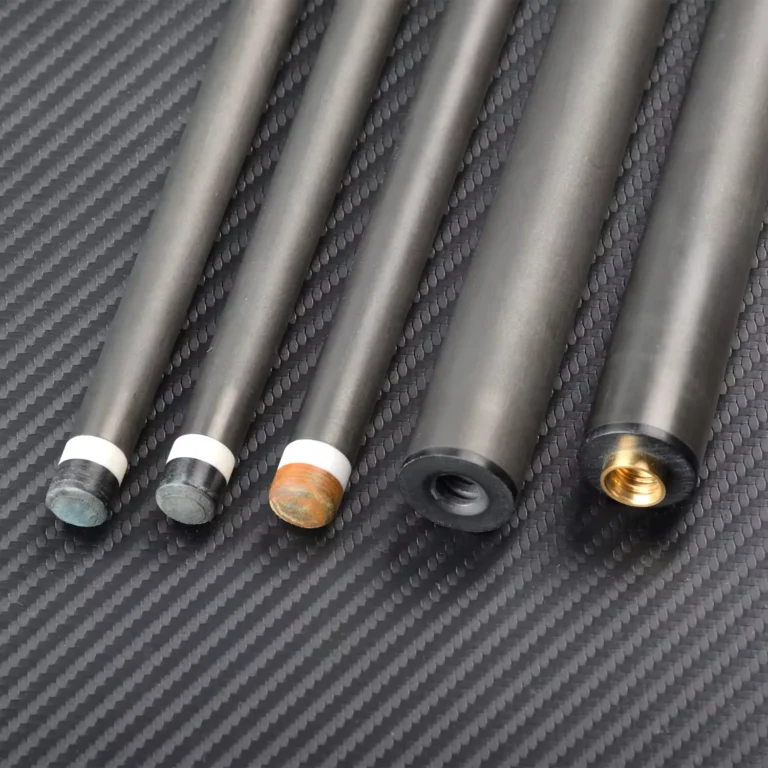
Carbonpfeilschäfte, Billardqueues, Hockeyschäfte, Lacrosse-Schäfte und CFK-Sportkomponenten
OEM-Kohlefaser- und Verbundwerkstoffprodukte, die für Steifigkeit, Gewichtsreduzierung und leistungsorientierte Sportgeräteanwendungen hergestellt werden.
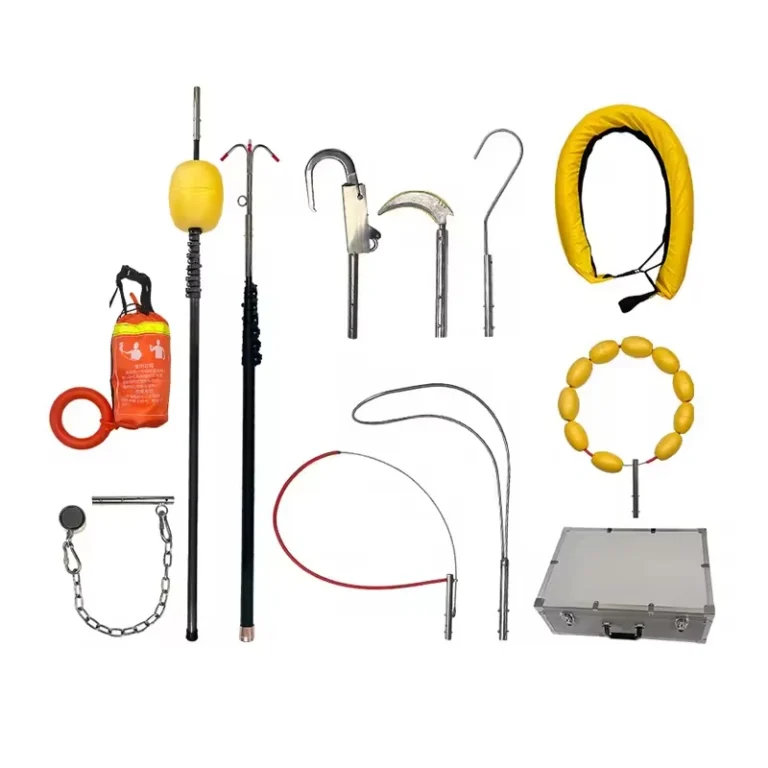
Reinigungsstangen, Inspektionsstangen, Feldwerkzeuge und teleskopierbare Verbundteile
Leichte und langlebige Kohlefaserprodukte, die für Tragbarkeit, Reichweite und Betriebssicherheit von Outdoor-Werkzeugen optimiert sind.
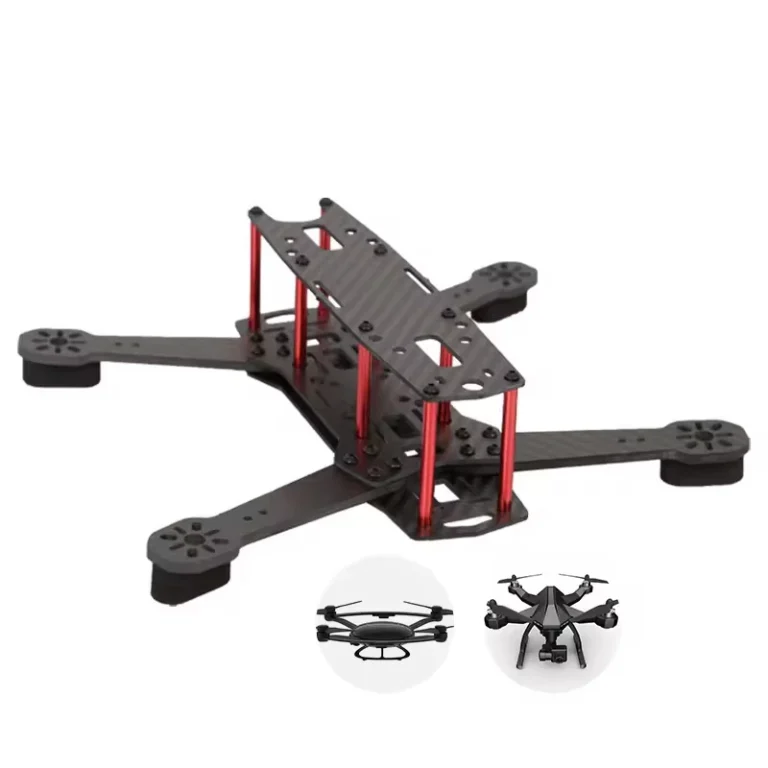
Drohnenrahmen, Arme, Fahrwerk und leichte Strukturkomponenten
Hochfeste Kohlefaserstrukturen, die für ein optimales Festigkeits-Gewichts-Verhältnis bei UAV- und Drohnenanwendungen entwickelt wurden.
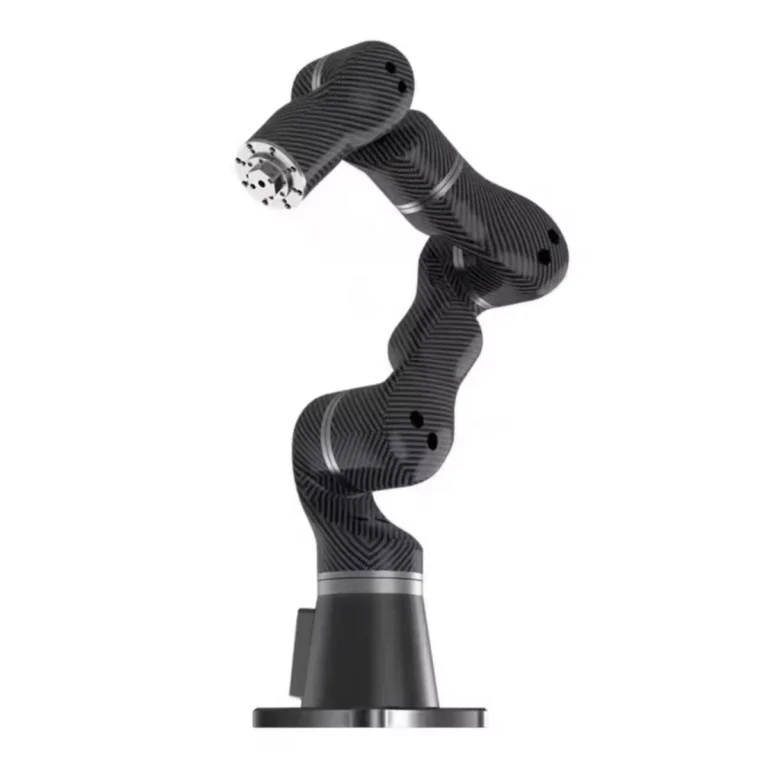
Roboterarme, Ausleger, strukturelle Verbindungen und kundenspezifische CFK-Komponenten
Präzisionsgefertigte Verbundwerkstoffteile, die für Steifigkeit, Dimensionsstabilität und dynamische Leistung in Robotersystemen ausgelegt sind.
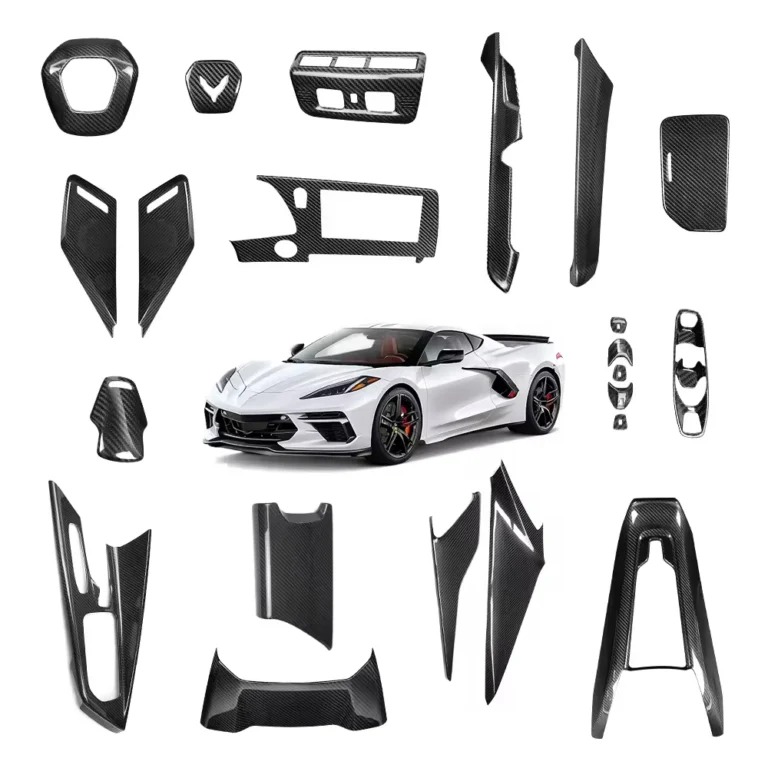
Strukturelle Verstärkungen, Innenverkleidungsteile und kundenspezifische CFK-Komponenten
Kohlefaserlösungen mit Schwerpunkt auf Gewichtsreduzierung, Funktionsintegration und Langlebigkeit für Automobil- und Mobilitätsanwendungen.
Reinigungsstangen, Inspektionsstangen, Feldwerkzeuge und teleskopierbare Verbundteile
Leichte und langlebige Kohlefaserprodukte, die für Tragbarkeit, Reichweite und Betriebssicherheit von Outdoor-Werkzeugen optimiert sind.
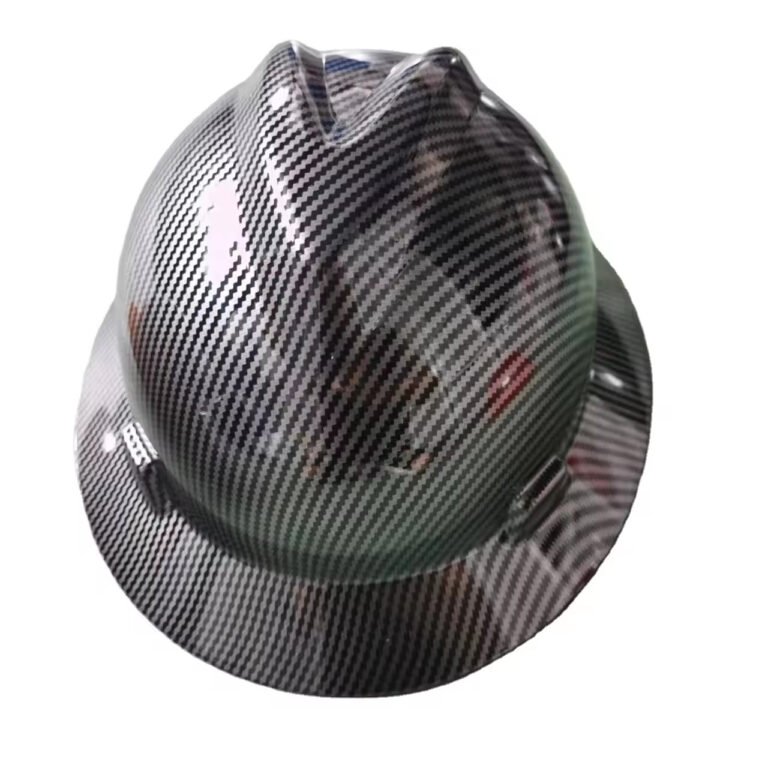
Schutzeinlagen, Helme, Verstärkungsplatten und stoßfeste Verbundwerkstoffteile
Kohlefaser- und Verbundstoffteile, die für Schutz, strukturelle Integrität und sicherheitskritische Anwendungen entwickelt wurden.
Der folgende Vergleich basiert auf öffentliche technische Handbücher, Materialdatenbanken für die Luft- und Raumfahrt und Industrienormen, auf die bei der Materialauswahl häufig Bezug genommen wird.
| Material | Dichte (g/cm³) | Referenz |
|---|---|---|
| Kohlefaser-Verbundwerkstoff (Epoxid) | 1.5 - 1.8 | ASM International |
| Aluminium 6061-T6 | 2.70 | Die Aluminiumvereinigung |
Technische Implikationen:
Kohlefaserverbundwerkstoffe sind in der Regel 30-45% Feuerzeug als Aluminium bei gleichem Strukturvolumen, so dass sie bei gewichtskritischen Konstruktionen vorzuziehen sind.
| Material | Zugfestigkeit (MPa) | Dichte (g/cm³) | Spezifische Stärke* |
|---|---|---|---|
| Kohlefaser-Verbundwerkstoff | 600 - 1500 | 1.5 - 1.8 | 400 - 1000 |
| Aluminium 6061-T6 | ~310 | 2.70 | ~115 |
*Spezifische Festigkeit = Zugfestigkeit / Dichte (relativer Vergleich)
Datenquellen:
ASM Handbook, Band 21 - Verbundwerkstoffe
Aluminium-Verband - 6061-T6 Datenblatt
Technische Implikationen:
Kohlefaser liefert 3-8x höhere spezifische Festigkeit als Aluminium, weshalb es Aluminium in der Luft- und Raumfahrt, bei Drohnen und Hochleistungsstrukturen ersetzt.
| Material | Zugmodul (GPa) | Referenz |
|---|---|---|
| Kohlefaser-Verbundwerkstoff | 70 - 230 (Faser-Richtung) | NASA |
| Aluminium 6061-T6 | ~69 | Aluminium-Verband |
Technische Implikationen:
Aluminium bietet isotrope Steifigkeit (in alle Richtungen gleich).
Die Steifigkeit von Carbonfasern ist richtungsabhängig, Dadurch können die Ingenieure die Steifigkeit nur dort platzieren, wo sie benötigt wird, was zu leichteren Strukturen führt.
| Leistungsaspekt | Kohlefaser | Aluminium | Referenz |
|---|---|---|---|
| Ermüdungsverhalten | Minimale Verschlechterung nach 10⁶ Zyklen | Fortschreitendes Risswachstum | ASTM D3479 / ASM |
| Korrosionsbeständigkeit | Unempfindlich gegen Korrosion | Anfällig ohne Schutz | NASA / ASM |
| Typische Nutzungsdauer | 15-25+ Jahre | Konstruktionsabhängig | FAA / ASM |
Technische Implikationen:
Carbonfasern eignen sich besonders gut für Umgebungen mit zyklischer Belastung, während Aluminium ein sorgfältiges Ermüdungs- und Korrosionsmanagement erfordert.
| Parameter | Kohlefaser-Verbundwerkstoff | Aluminium | Referenz |
|---|---|---|---|
| Wärmeausdehnungskoeffizient | -0,1 bis 1,0 µm/m-K | ~23 µm/m-K | NASA |
| Kontinuierliche Betriebstemperatur | Harzabhängig (120-250 °C) | >200 °C | ASM |
Technische Implikationen:
Kohlefaser bietet ausgezeichnete Dimensionsstabilität bei Temperaturänderungen, während sich Aluminium bei Wärme deutlich ausdehnt.
| Faktor | Kohlefaser | Aluminium |
|---|---|---|
| Materialkosten | Höher | Unter |
| Herstellung | Laminieren, Formen, Aushärten von Verbundwerkstoffen | Zerspanung, Extrusion, Umformung |
| Flexibilität bei der Gestaltung | Hoch (benutzerdefinierte Layouts) | Mäßig |
| Bester Anwendungsfall | Gewichtskritisch, hohe Leistung | Kostensensibel, hohes Volumen |
Kohlefaser wird in der Regel gegenüber Aluminium bevorzugt, wenn:
Gewichtsreduzierung ist entscheidend
eine hohe spezifische Festigkeit oder Steifigkeit erforderlich ist
Ermüdungsfestigkeit und Korrosionsbeständigkeit sind wichtig
Maßgeschneiderte strukturelle Optimierung rechtfertigt höhere Materialkosten
Aluminium ist nach wie vor vorteilhaft:
Kostensensibilität dominiert
Isotrope Eigenschaften werden bevorzugt
Einfache Geometrien mit hohen Stückzahlen sind erforderlich
ASM Handbook, Band 21 - Verbundwerkstoffe
Technisches Informationssystem für Materialien und Prozesse der NASA (MAPTIS)
ASTM D3039 / ASTM D3479
Die Aluminium Vereinigung - Aluminium 6061-T6 Datenblätter
FAA-Rundschreiben AC 20-107B
Ja, Kohlefaser hat einen deutlich höheren Stärke-Gewichts-Verhältnis als Stahl.
Während Stahl in loser Form eine höhere absolute Festigkeit aufweisen kann, bietet Kohlefaser eine vergleichbare oder höhere Zugfestigkeit bei einem viel geringeren Gewicht, was sie für gewichtssensible Strukturanwendungen effizienter macht.
In Bezug auf spezifische Festigkeit und Steifigkeit, übertrifft Kohlefaser das Aluminium.
Kohlefaserverbundwerkstoffe erreichen ein mehrfaches des Festigkeits-/Gewichtsverhältnisses von Aluminiumlegierungen, weshalb sie häufig in der Luft- und Raumfahrt, bei Drohnen und Hochleistungskonstruktionen eingesetzt werden.
Kohlenstofffasern lassen sich nicht wie Metalle plastisch verformen und gelten als sprödes Material im Ausfallverhalten.
Bei einer Überlastung kann es zu einem plötzlichen Versagen kommen, anstatt sich zu biegen. Deshalb sind eine geeignete Laminatkonstruktion, Sicherheitsfaktoren und Überlegungen zum Aufprall bei technischen Anwendungen entscheidend.
Belastung der Kohlefaser bezieht sich in der Regel auf die Dehnung bis zum Versagen, die angibt, wie viel Verformung das Material aushalten kann, bevor es bricht.
Bei Standard-Kohlenstofffaserverbundwerkstoffen liegen die Werte für die Dehnung bis zum Versagen im Allgemeinen im Bereich von etwa 1,3% bis 2,1%, je nach Fasertyp, Harzsystem und Laminataufbau.
Kohlefaserverbundwerkstoffe bieten hervorragende Ermüdungswiderstand und korrodieren nicht wie Metalle.
Wenn sie richtig konstruiert und vor übermäßigen Stößen oder Umwelteinflüssen geschützt sind, können Kohlefaserkomponenten eine Lebensdauer von 15-25 Jahre oder mehr in strukturellen Anwendungen.
Kohlenstofffasern selbst sind thermisch stabil, aber die Harzsystem bestimmt die Hitze- und Feuchtigkeitsbeständigkeit.
Die Dauergebrauchstemperatur und die Umweltbeständigkeit hängen eher von der Auswahl des Harzes, dem Oberflächenschutz und den Betriebsbedingungen als von den Kohlenstofffasern allein ab.
Kohlefaser ist vielleicht nicht ideal für kostensensitive, hochvolumige Designs, Anwendungen, die eine duktile Verformung erfordern, oder Umgebungen, in denen schwere Stöße ohne Prüfmöglichkeit auftreten.
In solchen Fällen können Metalle oder alternative Verbundwerkstoffe ein günstigeres Verhältnis zwischen Leistung und Kosten bieten.