Warum Kunden uns wählen :
- Hersteller-Direktsteuerung
- Technische Unterstützung
- Gleichbleibende Qualität
- Verlässliche Vorlaufzeit
Forged carbon fiber parts are compression-molded composite components produced by consolidating chopped carbon fiber and resin into closed molds under controlled heat and pressure.
Rather than being supplied as raw materials, these parts are manufactured as near-net-shape components, allowing complex geometries, integrated features, and consistent surface appearance to be achieved in a single molding cycle.
Unlike traditional laminated carbon fiber parts that rely on woven or unidirectional fiber layers, forged carbon fiber parts are formed from randomly oriented fiber chips.
This structure removes directional layup constraints and enables efficient molding of three-dimensional shapes with ribs, bosses, variable wall thicknesses, and insert locations—features that are difficult or cost-intensive to realize with conventional laminate processes.
From a manufacturing perspective, forged carbon fiber parts are well suited for wiederholbare OEM-Produktion where dimensional stability, surface consistency, and tooling-controlled tolerances are required.
Post-molding operations such as CNC trimming, drilling, and surface finishing can be applied without compromising part integrity, making forged parts suitable for both functional and structural-cosmetic applications.
To achieve reliable performance in production environments, forged carbon fiber parts must be manufactured with controlled fiber distribution, stable resin systems, and precisely managed molding parameters.
For automotive, motorcycle, and industrial programs, tooling design, material formulation, and process repeatability play a critical role in ensuring consistent mechanical properties, appearance, and long-term durability across production batches.
Wholesale forged carbon fiber parts manufactured for custom and bulk production, supporting OEM, private-label, and tooling-based programs.
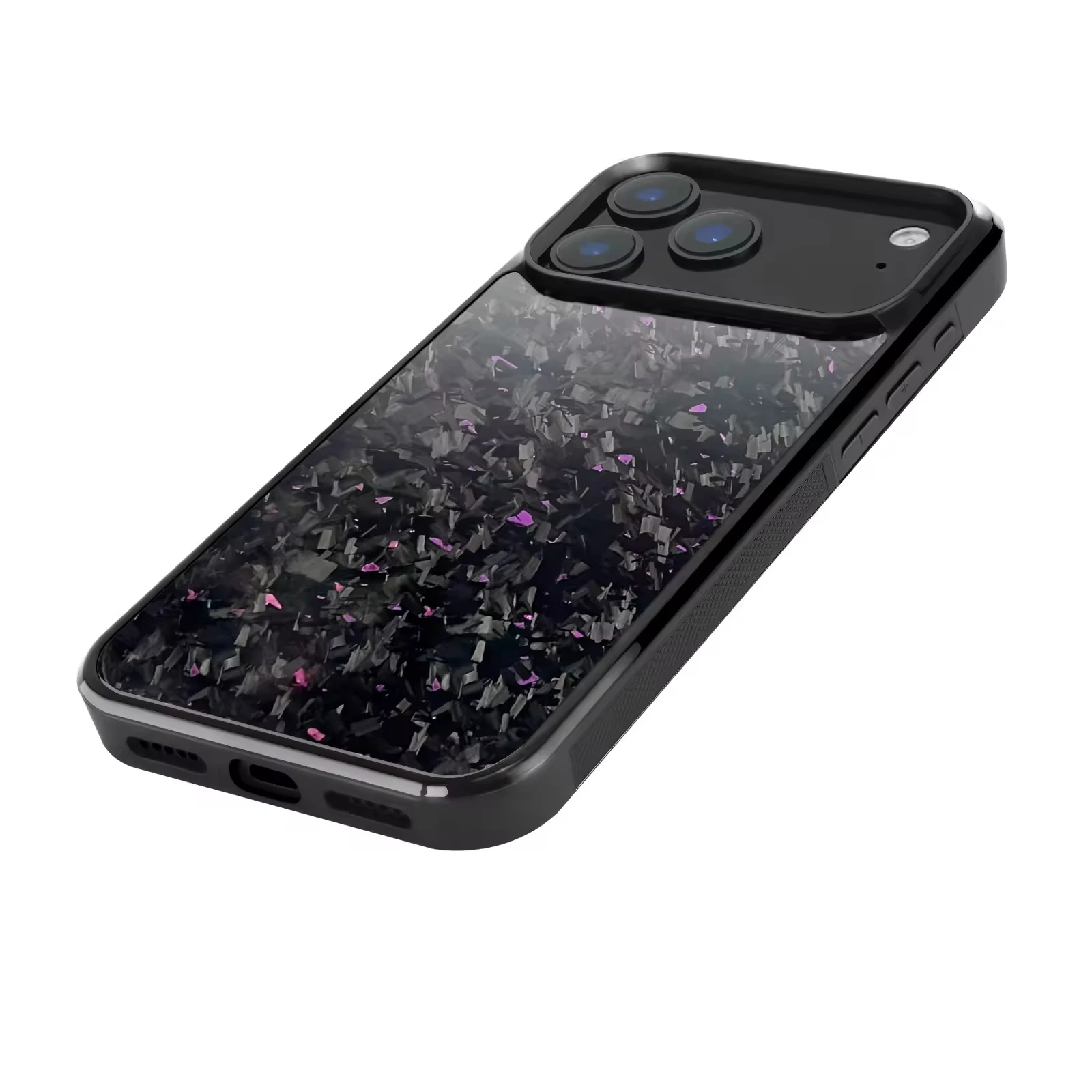
Compression-molded forged carbon fiber phone cases for wholesale and custom orders. Suitable for OEM branding, tooling-based designs, and bulk production.
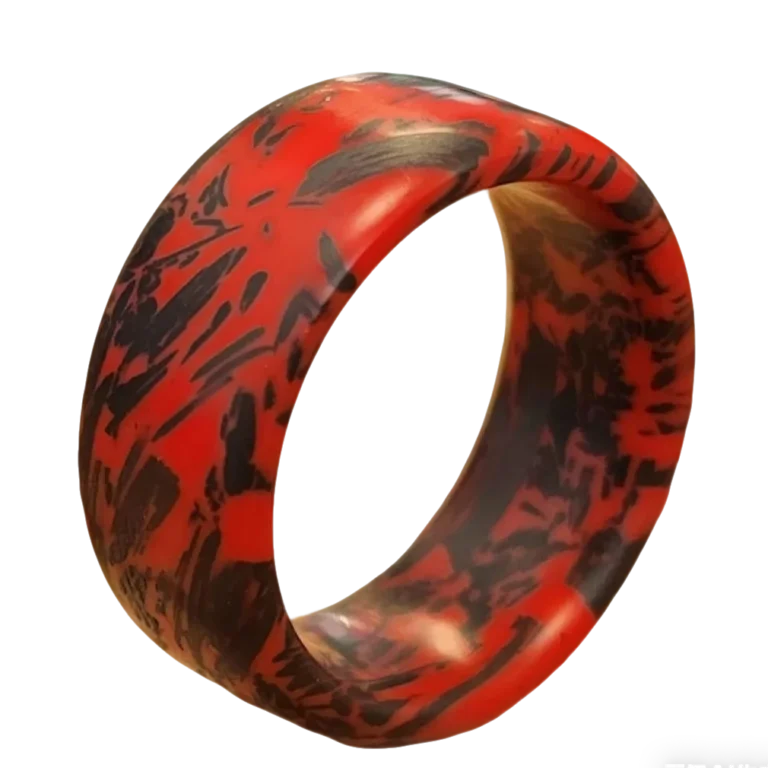
Forged carbon fiber rings manufactured for custom and wholesale jewelry programs. Consistent sizing, forged texture, and batch production supported.
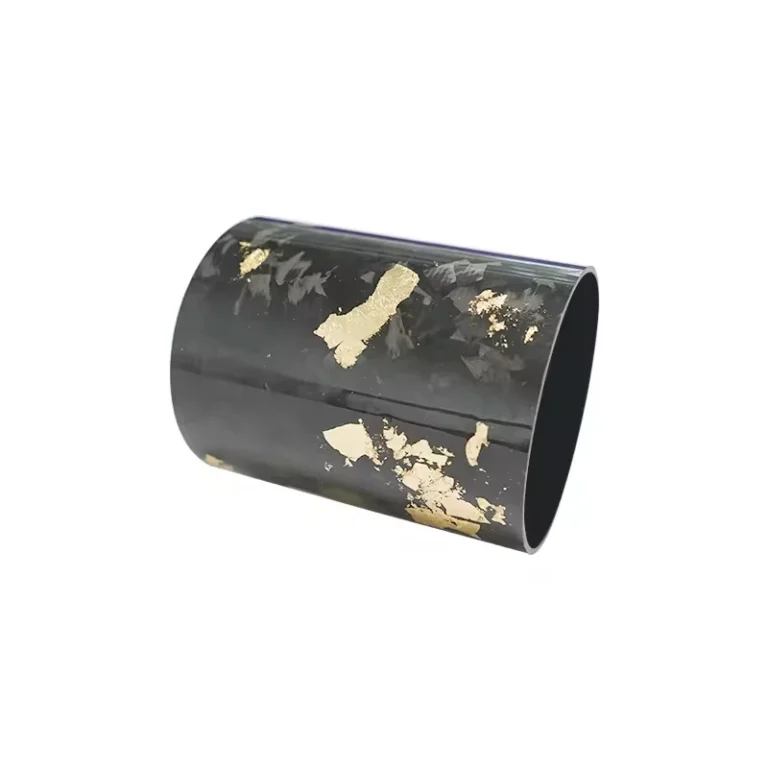
Forged carbon fiber kits supplied as molded component sets for custom development and bulk manufacturing. Tooling-based designs available.
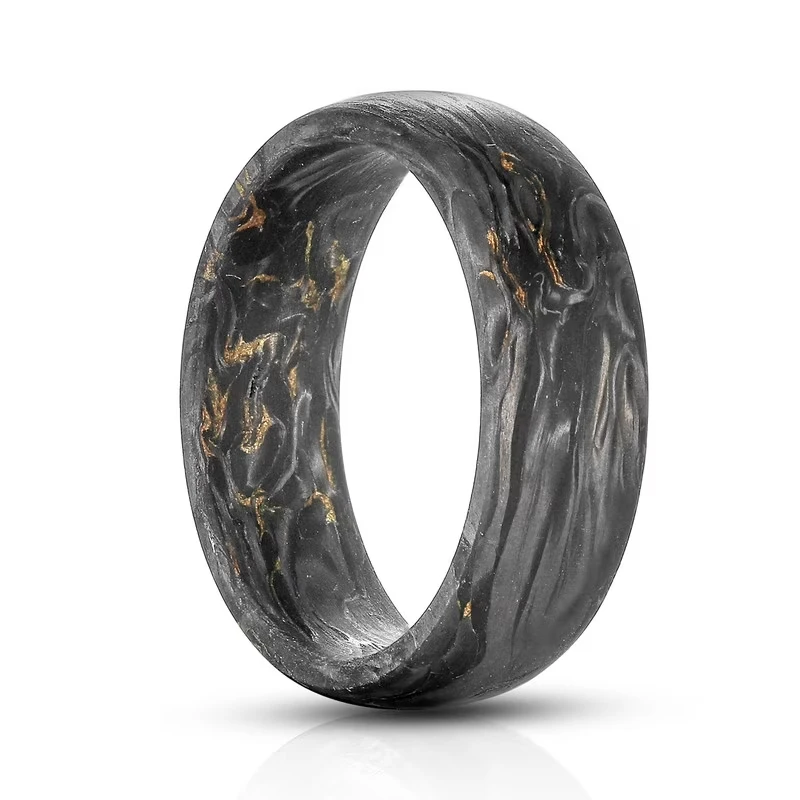
Forged carbon fiber wedding bands produced for private-label and wholesale orders. Custom sizing and surface finishing supported.
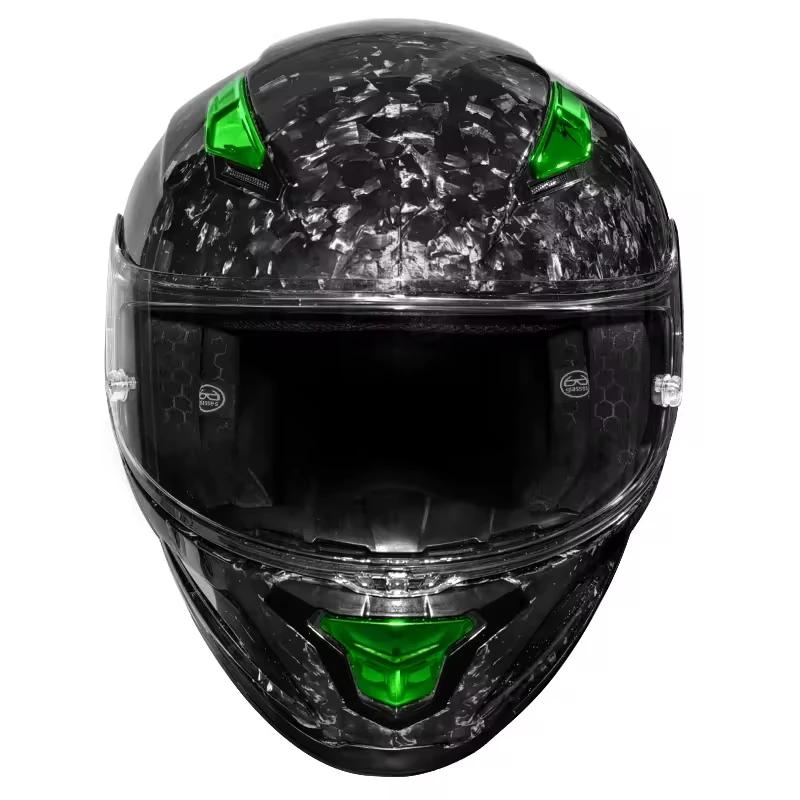
Forged carbon fiber helmet components for bulk and custom manufacturing. Molded geometry with controlled thickness and surface consistency.
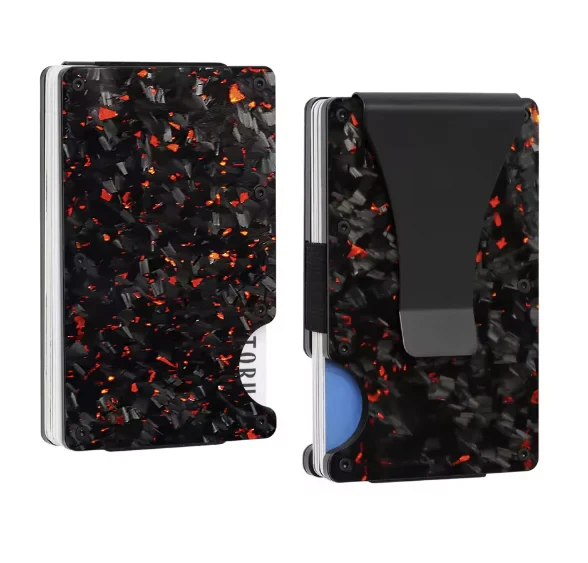
Forged carbon fiber wallets supplied for OEM and wholesale accessory programs. Lightweight molded construction with consistent appearance.
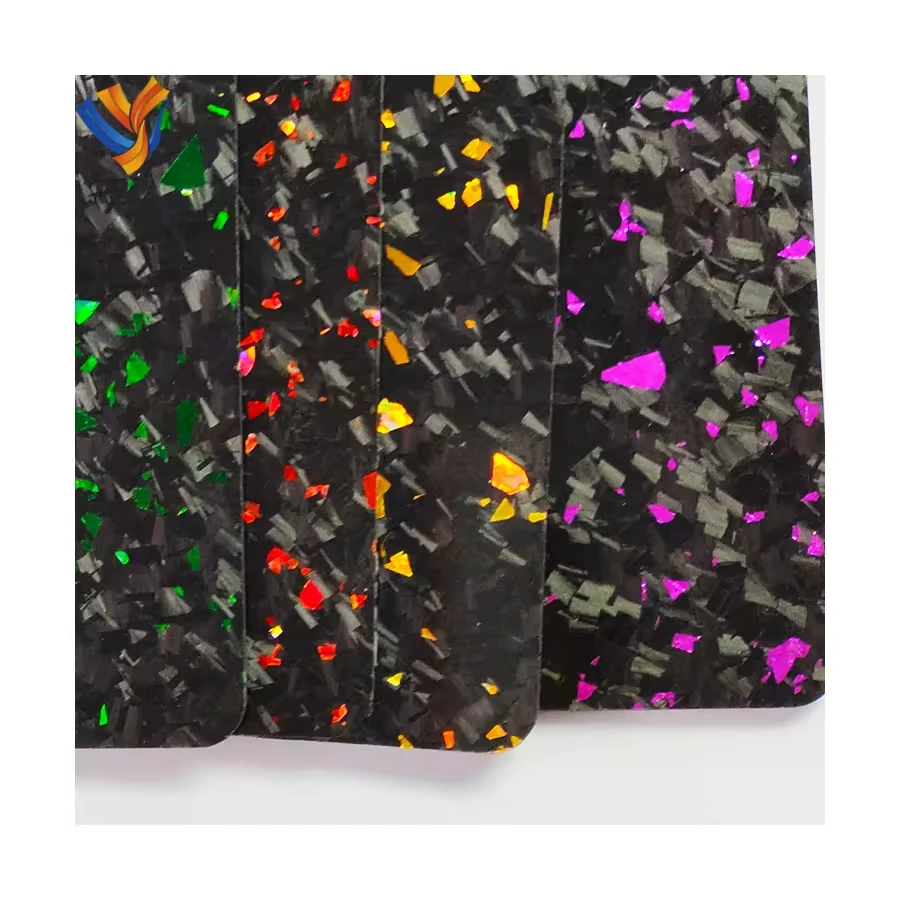
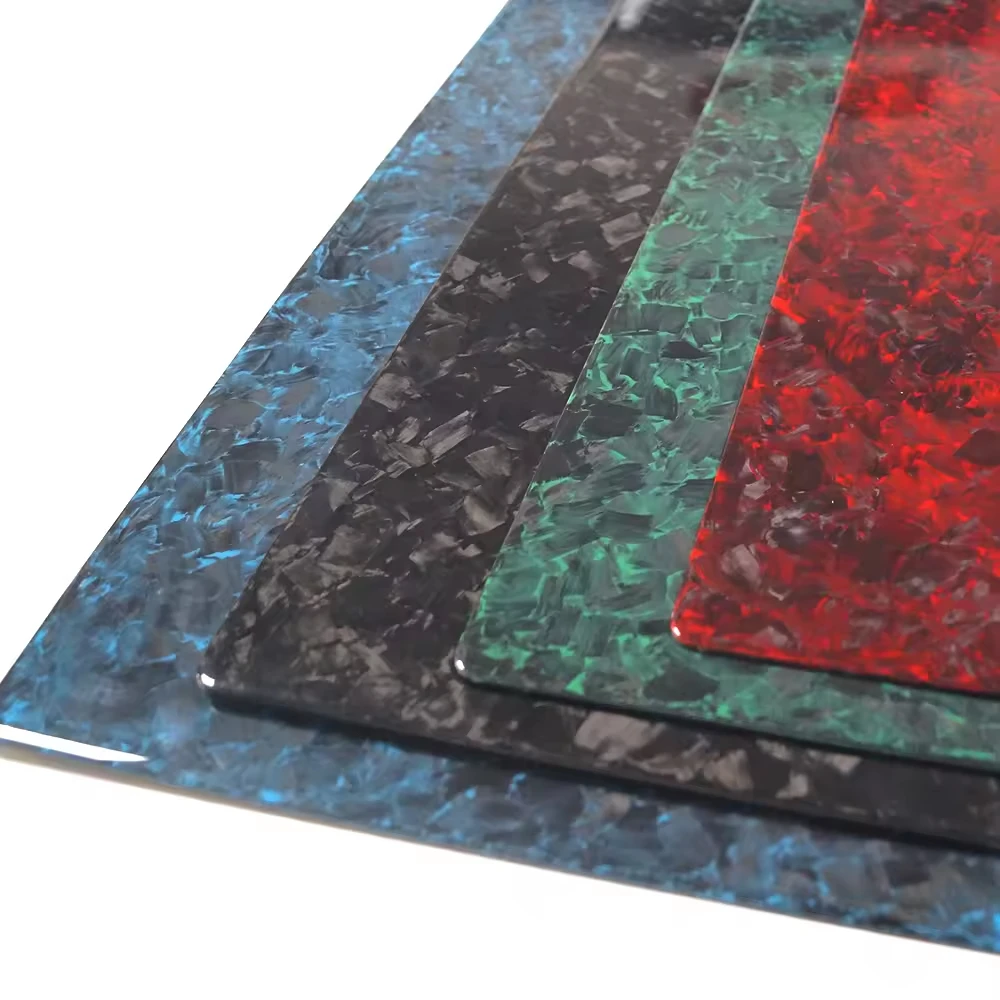
Forged carbon fiber sheets supplied for custom cutting and bulk orders. Distinctive forged pattern for decorative and structural-cosmetic use.
For material-level performance data related to these products, refer to our Carbon Fiber Material Overview.
Our manufacturing capability supports custom and wholesale forged carbon fiber production with tooling-based processes and repeatable quality.
| Category | Capability Details |
|---|---|
| Manufacturing Process | Compression molding using chopped carbon fiber and controlled resin systems |
| Product Scope | Forged carbon fiber parts, housings, shells, sheets, and component assemblies |
| Custom Design Input | 2D drawings or 3D files (STEP / IGES / STL) |
| Tooling Type | Dedicated steel or aluminum molds for batch and bulk production |
| Tooling Lead Time | Defined by part geometry and mold complexity |
| Part Size Range | Optimized for small to medium-sized forged carbon fiber components |
| Geometry Capability | Complex 3D shapes, integrated ribs, bosses, inserts, and variable thickness |
| Thickness Control | Tooling-defined thickness; multi-thickness sections supported |
| Surface Appearance | Natural forged texture; matte or gloss clear coat options |
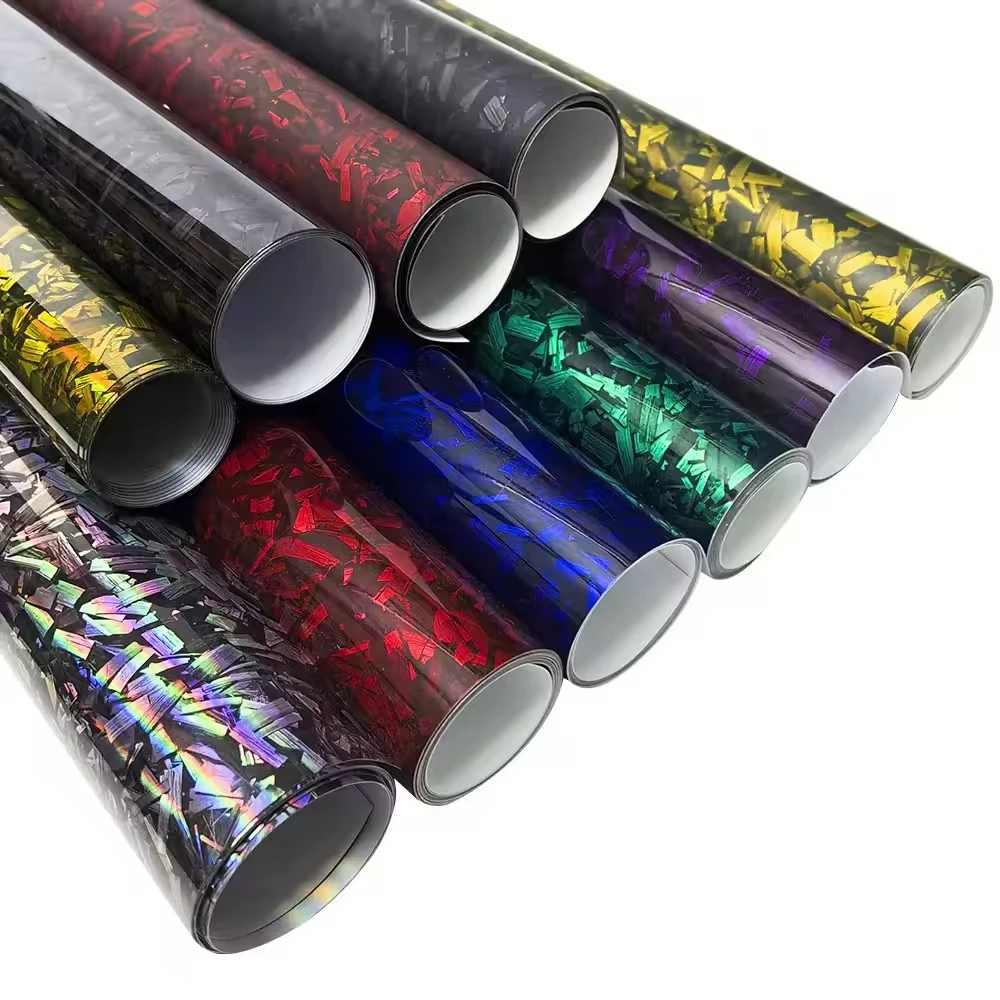
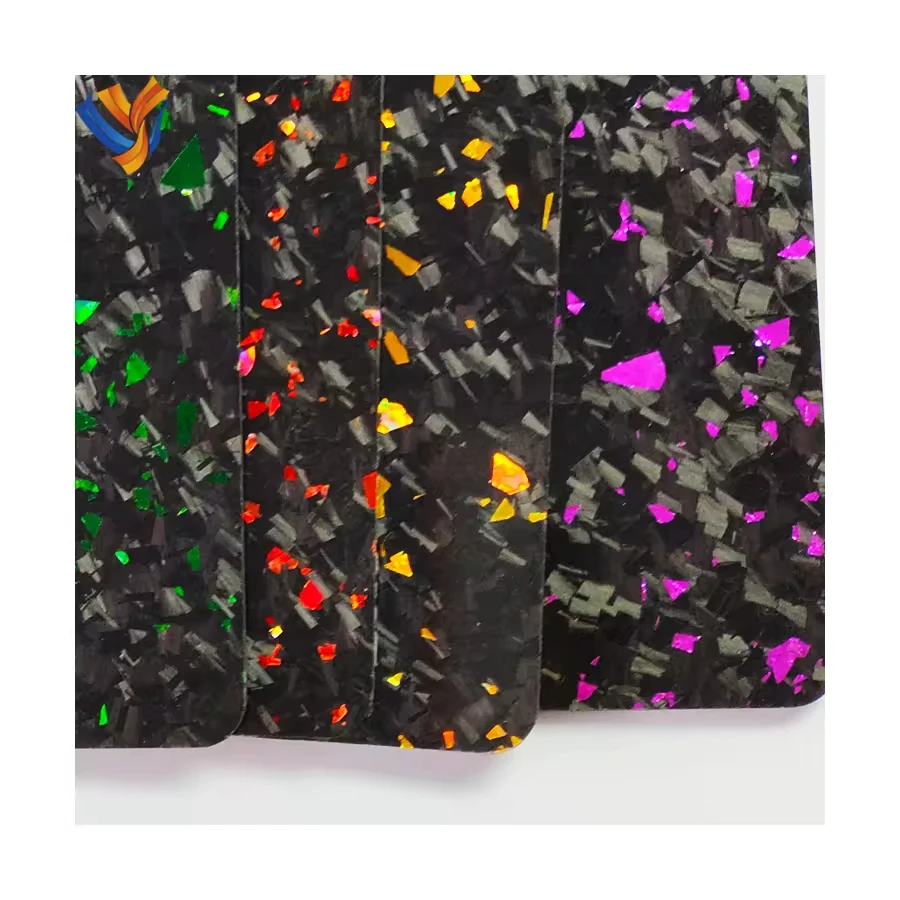
| Color Effects | Black forged carbon fiber; blue, gold, green, and custom color effects |
| Post-Processing | CNC trimming, drilling, polishing, coating, and assembly |
| Production Volume | Prototype → pilot runs → bulk manufacturing |
| MOQ | Determined by product type, tooling, and customization scope |
| Quality Control | Dimensional inspection, surface consistency checks, batch traceability |
| Supply Model | OEM / ODM / private label / wholesale supply |
| Typische Anwendungen | Automotive parts, accessories, consumer products, custom programs |
Forged carbon fiber products are widely applied in automotive, consumer electronics, wearable accessories, and custom OEM programs
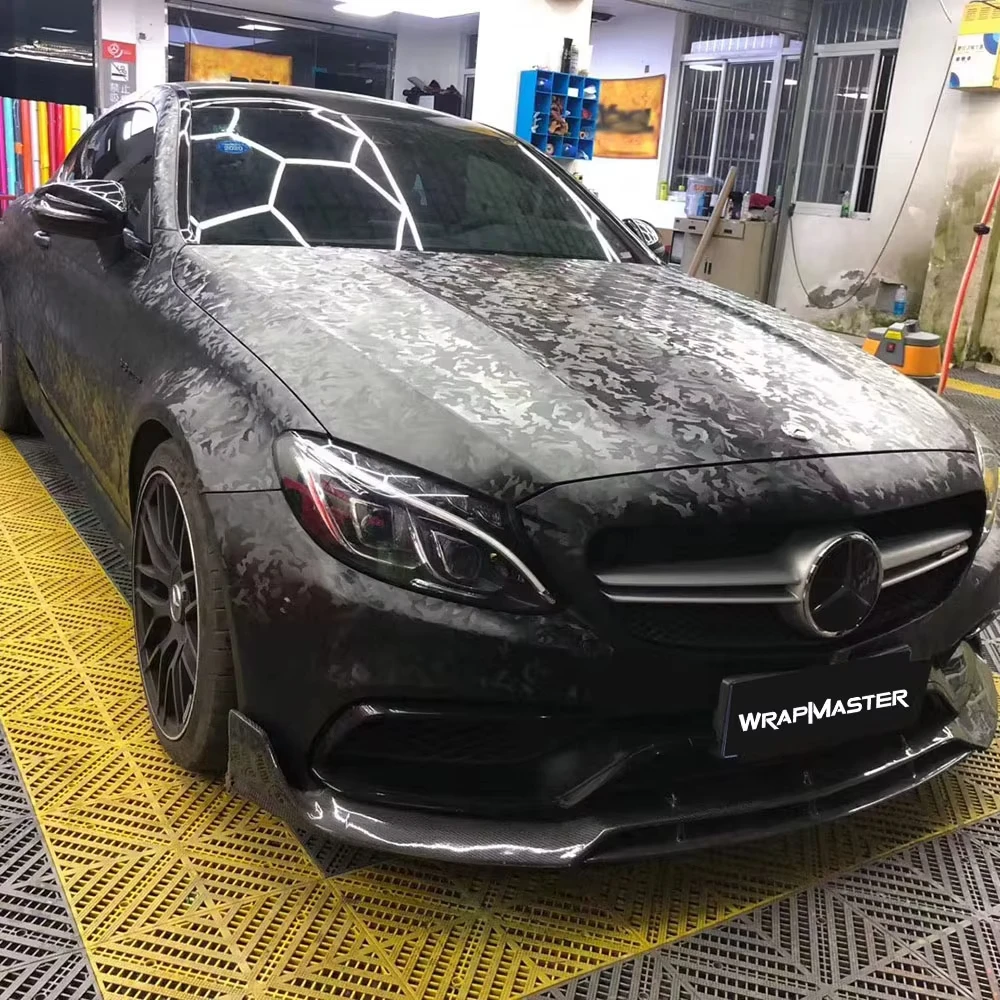
In automotive and performance-related systems, forged carbon fiber products are used for car parts, interior components, steering wheel elements, exhaust-related components, fenders, and fairings. Compression molding enables consistent surface appearance and precise geometry control, making forged carbon fiber suitable for both functional and structural-cosmetic automotive parts produced in batches.
Forged carbon fiber is commonly applied in phone cases, iPhone cases, AirPods cases, AirPods Pro cases, and other electronic housings where durable construction and premium appearance are required. Tooling-based molding supports bulk orders, private-label branding, and custom designs for consumer electronics accessories.
In wearable and lifestyle product categories, forged carbon fiber products are used for rings, wedding bands, wallets, glasses, helmets, and license plate frames. These applications emphasize uniform sizing, surface consistency, and batch manufacturability, making them suitable for wholesale and custom accessory programs.
Forged carbon fiber products are also supplied as custom kits and development components for OEM projects and private-label programs. These applications support prototyping, evaluation, and bulk manufacturing where multiple forged carbon fiber parts are required within a single tooling or product concept.
Structural carbon fiber sheets with consistent quality, precise thickness control, and OEM-ready
All forged carbon fiber products are manufactured using dedicated molds, ensuring consistent geometry, stable surface appearance, and repeatable quality for bulk orders.
We specialize in custom and wholesale programs, supporting OEM branding, private-label requirements, and batch manufacturing based on drawings or specifications.
Our production experience focuses on forged carbon fiber molding, including fiber distribution control, surface consistency, and post-processing optimized for forged textures.
Forged carbon fiber and traditional carbon fiber laminates are both high-performance composites, but they differ fundamentally in fiber architecture, manufacturing process, and suitability for batch production. The right choice depends on geometry complexity, load requirements, and production scale.
| Aspect | Forged Carbon Fiber | Traditional Carbon Fiber |
|---|---|---|
| Fiber Structure | Chopped fibers, random orientation | Continuous fibers, directional layup |
| Manufacturing | Compression molding (tooling-based) | Layup, vacuum infusion, autoclave |
| Geometry Capability | Excellent for complex 3D shapes | Best for flat or load-oriented parts |
| Stiffness Control | Geometry-driven | Fiber-orientation-driven |
| Production Repeatability | High | Moderate (labor dependent) |
| Batch Manufacturing | Well suited | Less efficient at scale |
Traditional carbon fiber laminates achieve maximum strength and stiffness when fibers are aligned with load paths, with tensile strengths commonly in the 3,500–5,500 MPa range and moduli up to 230 GPa depending on fiber grade and layup
(ASTM D3039, Toray & Hexcel data).
Forged carbon fiber does not reach the same peak directional performance, but its near-isotropic behavior allows efficient load distribution in complex molded parts. In many applications, forged carbon fiber components achieve 20–40% weight reduction compared to aluminum while enabling shapes that are difficult or costly for laminated composites
(CES EduPack, ASM Composites Handbook).
Traditional carbon fiber processes are labor-intensive and sensitive to layup quality, making them ideal for load-critical structures but less efficient for high-volume production.
Forged carbon fiber relies on tooling-based compression molding, offering:
Shorter cycle times
Better dimensional consistency
Lower per-unit cost at volume
This makes forged carbon fiber particularly suitable for custom, wholesale, and private-label manufacturing programs.
Wählen Sie forged carbon fiber for products requiring complex geometry, consistent appearance, and scalable batch production, such as housings, accessories, interior components, and molded consumer products.
Wählen Sie traditional carbon fiber laminates for applications where directional strength and load-critical performance are the primary design drivers.
In practice, forged carbon fiber does not replace traditional carbon fiber—it complements it, providing a more efficient solution for geometry-driven, production-focused applications.
Forged carbon fiber is a molded composite material made from chopped carbon fiber mixed with resin and formed under heat and pressure.
No—forged carbon fiber is not stronger than traditional carbon fiber in peak directional strength.
Yes—forged carbon fiber is lighter than most metals but not lighter than traditional carbon fiber laminates.
Forged carbon fiber is made by compression molding chopped carbon fiber mixed with resin in a closed mold under heat and pressure.
Yes. Surface appearance can be customized through mold design, forged texture control, clear coating options, and color effects, depending on project requirements.
The main difference is fiber form and manufacturing method.
