Warum Kunden uns wählen :
- Hersteller-Direktsteuerung
- Technische Unterstützung
- Gleichbleibende Qualität
- Verlässliche Vorlaufzeit
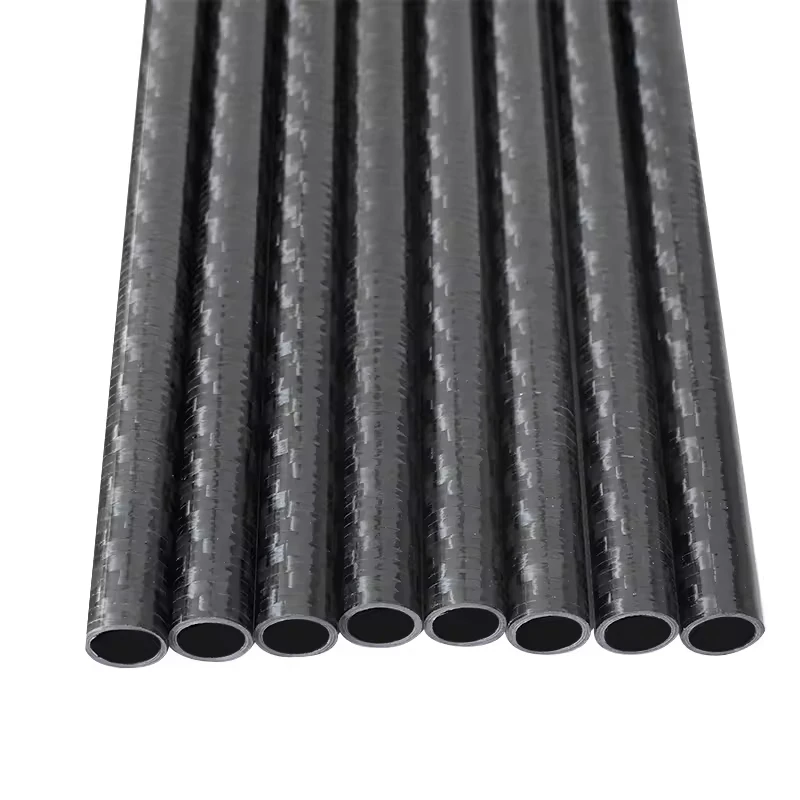
A Kohlefaser-Rundrohr is a cylindrical composite profile manufactured using carbon fiber reinforcement combined with epoxy resin systems. Because of its symmetrical geometry, round carbon fiber tubes provide excellent torsional stiffness and uniform load distribution.
Compared with traditional metal tubing, composite carbon fiber round tubes offer several key advantages:
außergewöhnliches Verhältnis von Festigkeit zu Gewicht
corrosion resistance
excellent fatigue durability
dimensional stability
long service life
These characteristics make carbon fiber round tubes widely used in aerospace structures, robotics systems, sports equipment, and industrial engineering applications.
Jetzt anfragenWe supply a wide range of carbon fiber round tubes in different diameters to meet various engineering and structural requirements.
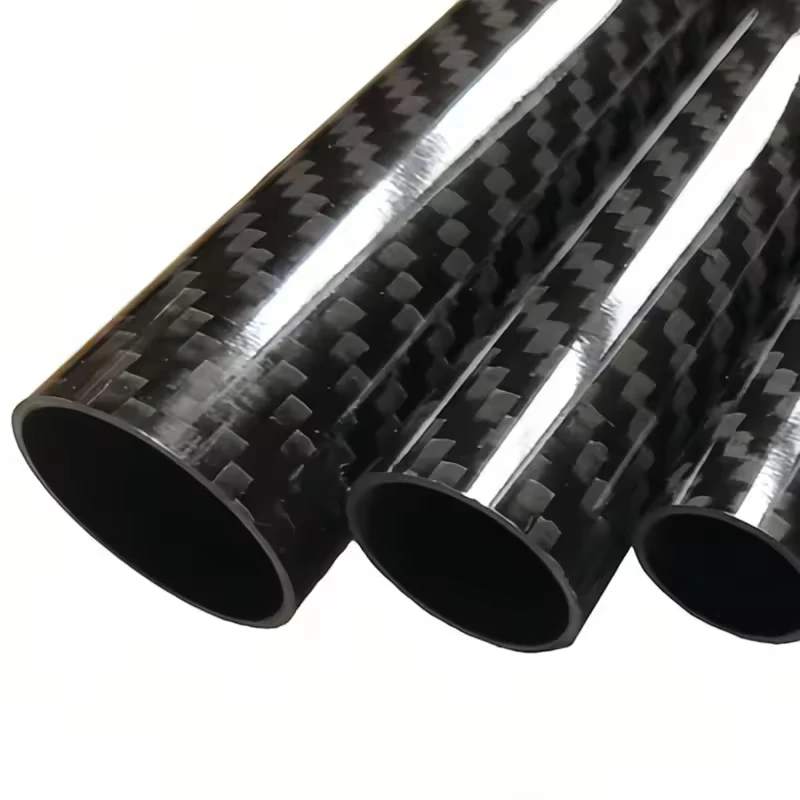
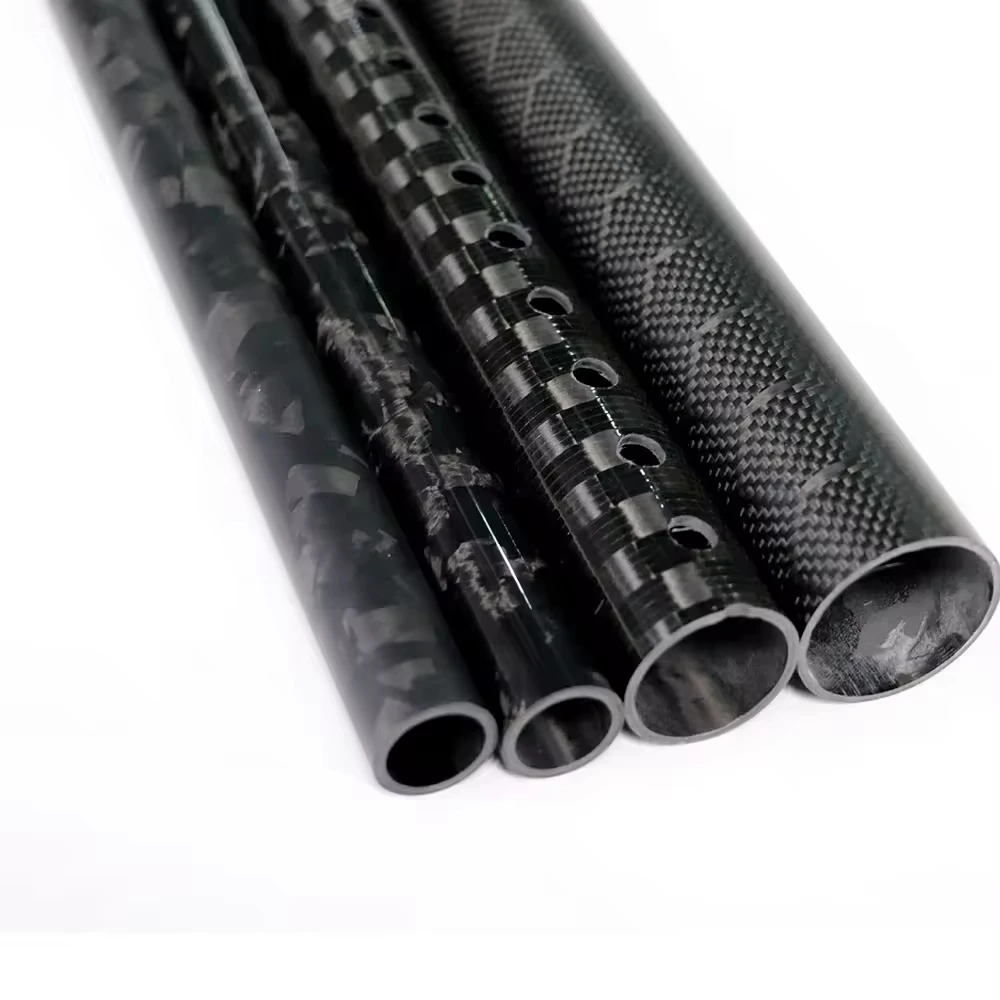
Different laminate structures and surface patterns can be used to manufacture round carbon fiber tubes depending on structural requirements.
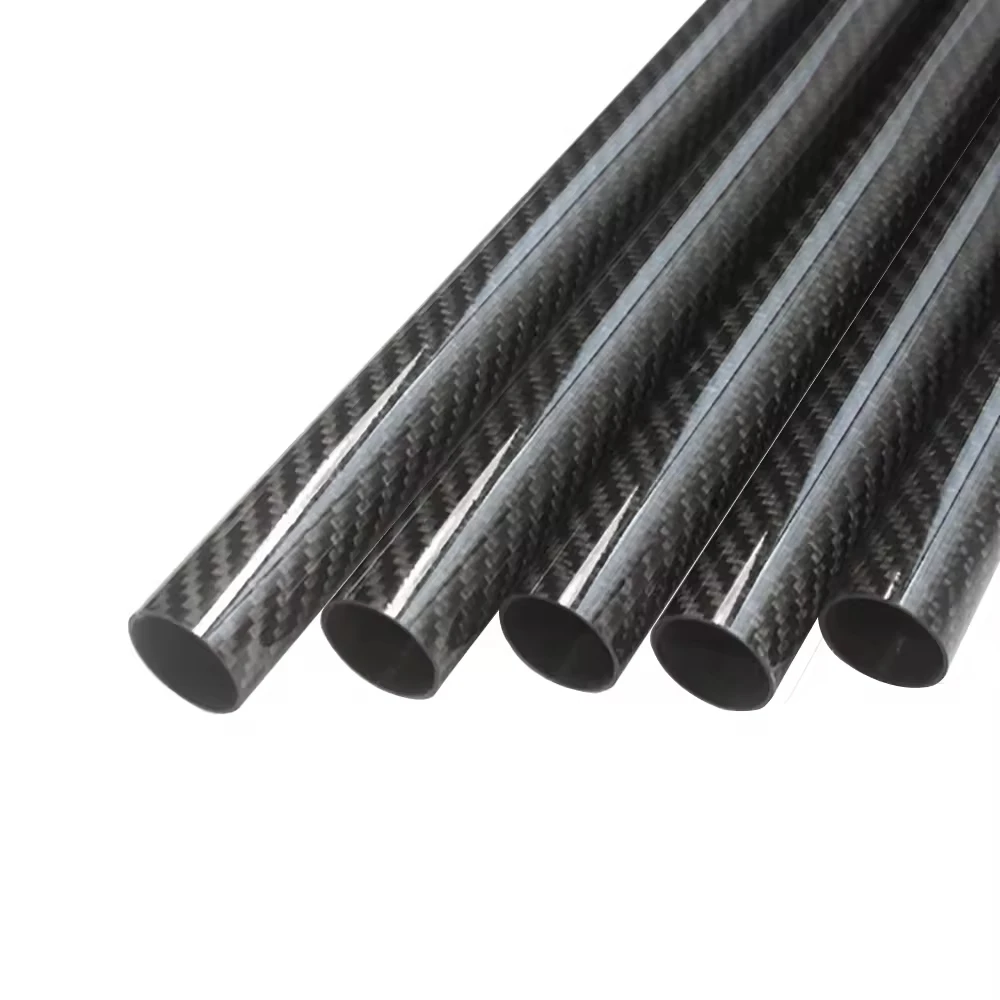
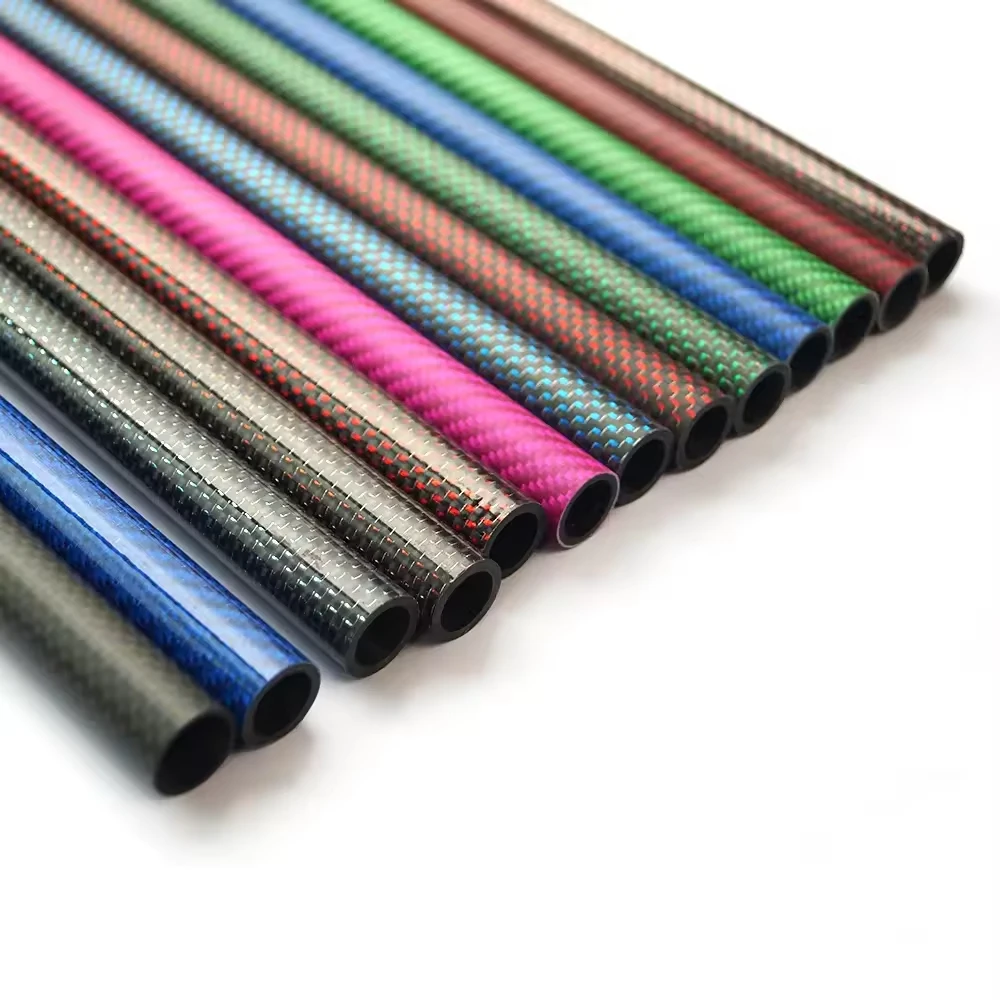
Carbon fiber round tubes are widely used in many industries requiring lightweight structural components.
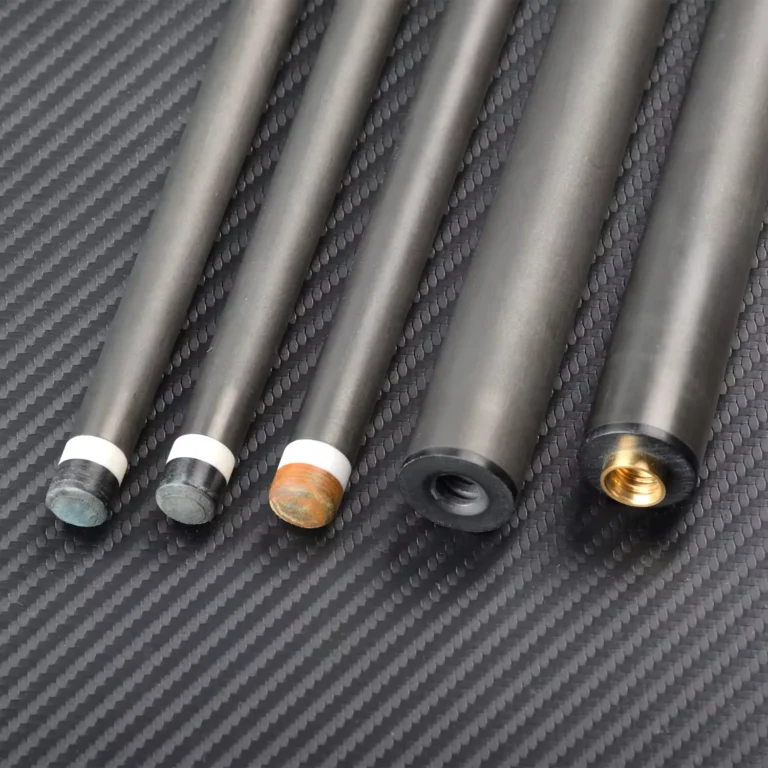
Carbonpfeilschäfte, Billardqueues, Hockeyschäfte, Lacrosse-Schäfte und CFK-Sportkomponenten
OEM-Kohlefaser- und Verbundwerkstoffprodukte, die für Steifigkeit, Gewichtsreduzierung und leistungsorientierte Sportgeräteanwendungen hergestellt werden.
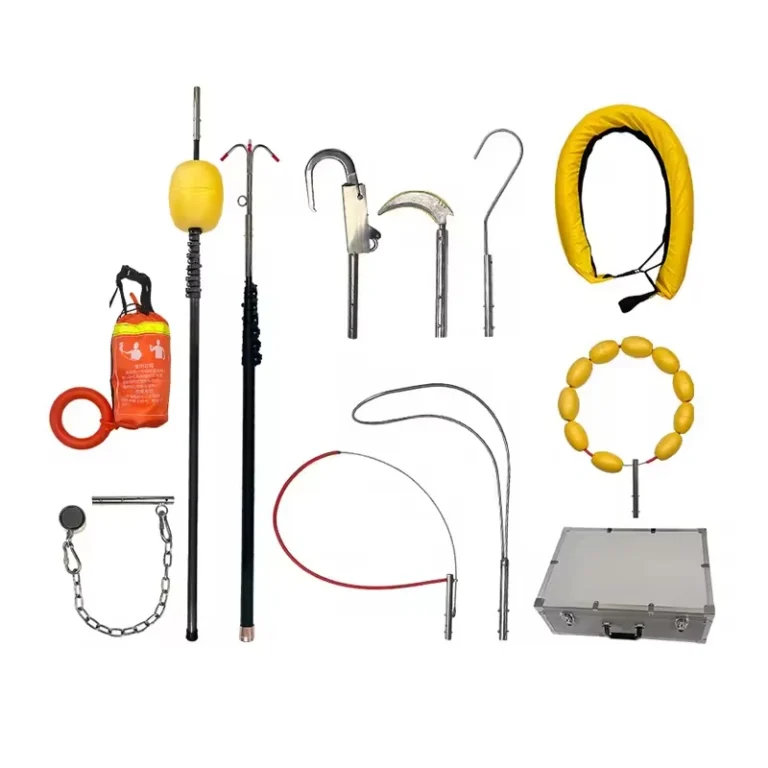
Reinigungsstangen, Inspektionsstangen, Feldwerkzeuge und teleskopierbare Verbundteile
Leichte und langlebige Kohlefaserprodukte, die für Tragbarkeit, Reichweite und Betriebssicherheit von Outdoor-Werkzeugen optimiert sind.
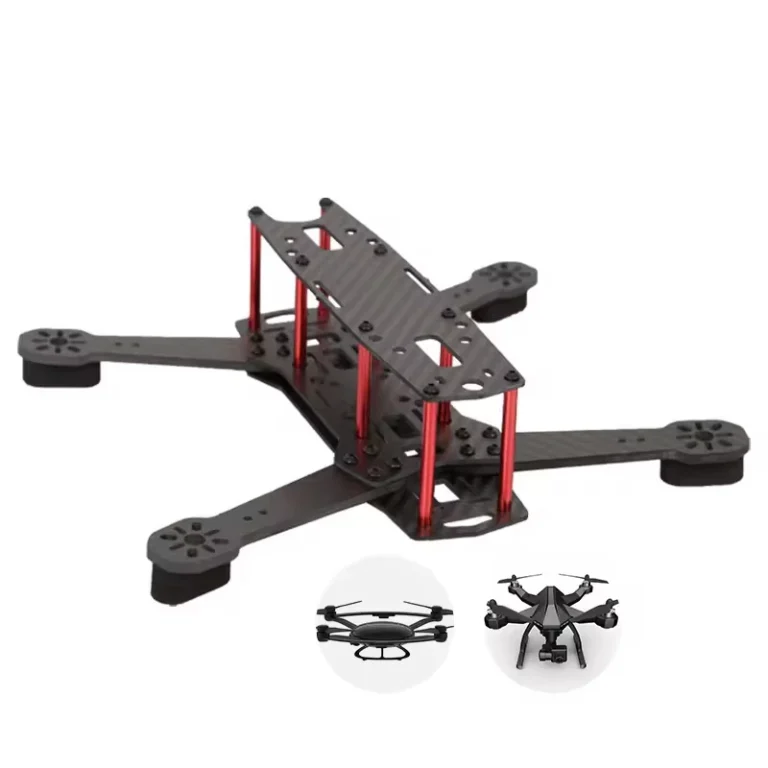
Drohnenrahmen, Arme, Fahrwerk und leichte Strukturkomponenten
Hochfeste Kohlefaserstrukturen, die für ein optimales Festigkeits-Gewichts-Verhältnis bei UAV- und Drohnenanwendungen entwickelt wurden.
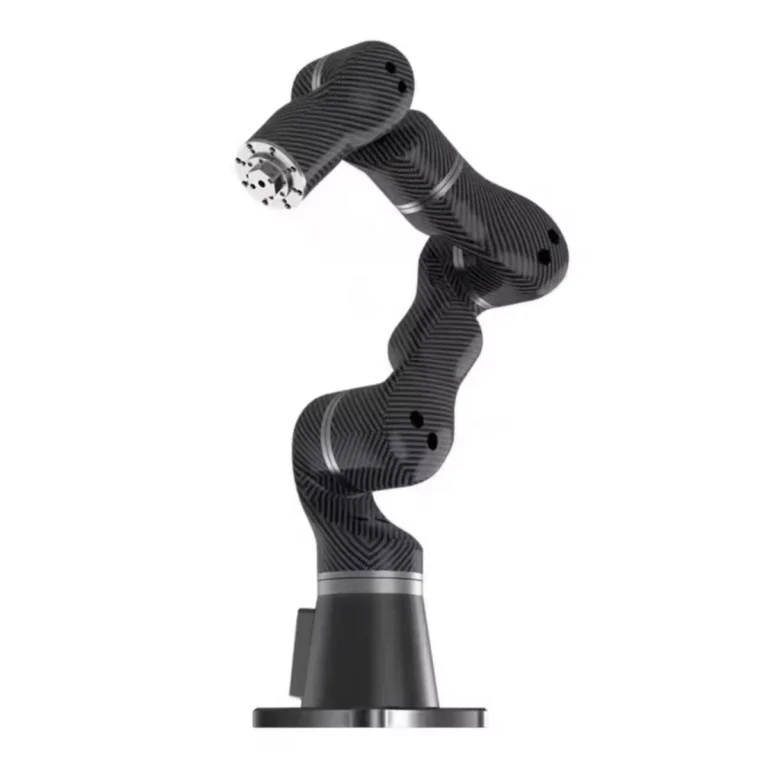
Roboterarme, Ausleger, strukturelle Verbindungen und kundenspezifische CFK-Komponenten
Präzisionsgefertigte Verbundwerkstoffteile, die für Steifigkeit, Dimensionsstabilität und dynamische Leistung in Robotersystemen ausgelegt sind.
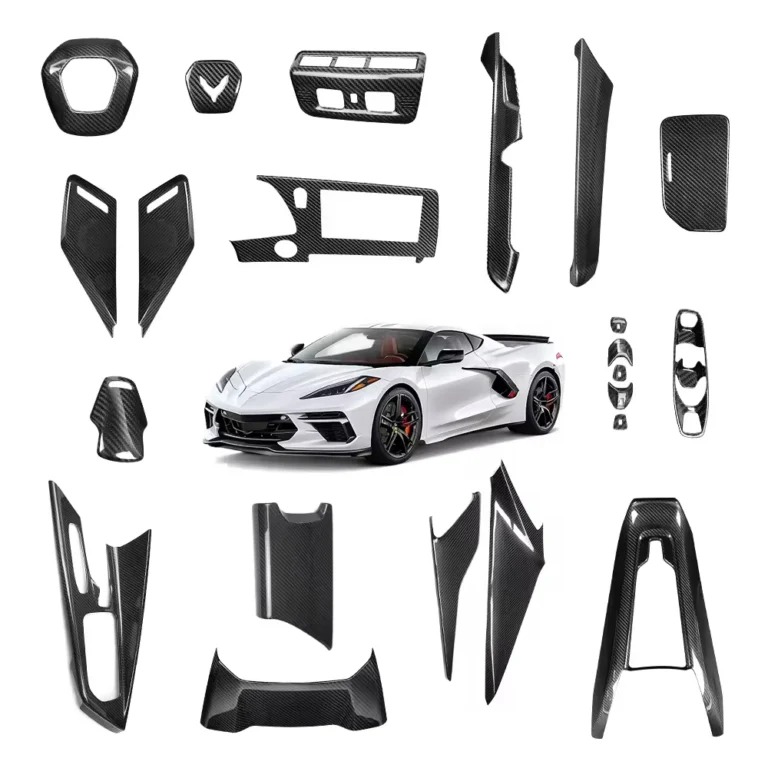
Strukturelle Verstärkungen, Innenverkleidungsteile und kundenspezifische CFK-Komponenten
Kohlefaserlösungen mit Schwerpunkt auf Gewichtsreduzierung, Funktionsintegration und Langlebigkeit für Automobil- und Mobilitätsanwendungen.
Reinigungsstangen, Inspektionsstangen, Feldwerkzeuge und teleskopierbare Verbundteile
Leichte und langlebige Kohlefaserprodukte, die für Tragbarkeit, Reichweite und Betriebssicherheit von Outdoor-Werkzeugen optimiert sind.
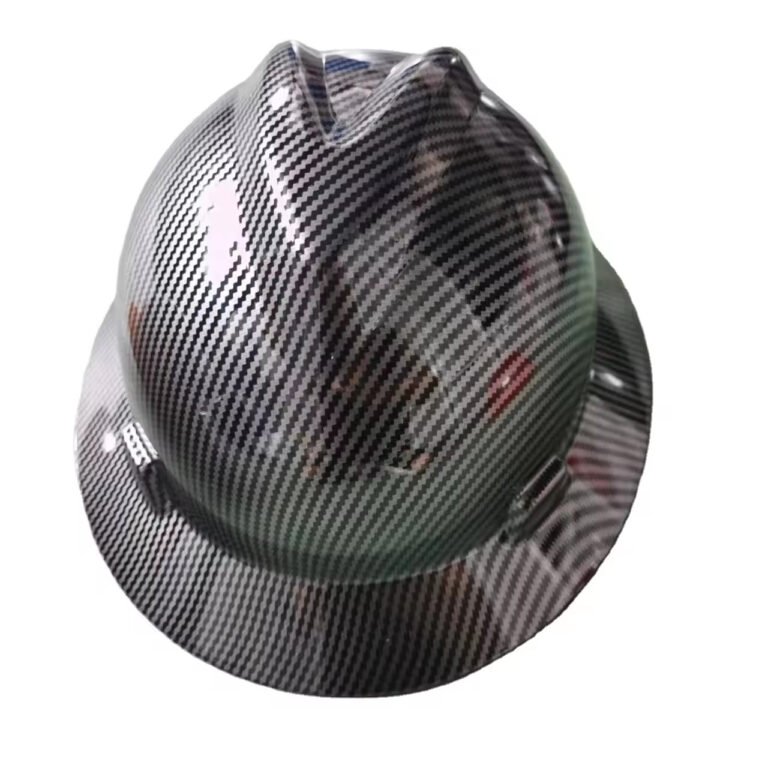
Schutzeinlagen, Helme, Verstärkungsplatten und stoßfeste Verbundwerkstoffteile
Kohlefaser- und Verbundstoffteile, die für Schutz, strukturelle Integrität und sicherheitskritische Anwendungen entwickelt wurden.
Carbon fiber round tubes provide outstanding mechanical performance compared with metal tubing.
| Eigentum | Kohlefaser | Aluminium |
|---|---|---|
| Dichte | 1.6 g/cm³ | 2,7 g/cm³ |
| Zugfestigkeit | 600-1500 MPa | 310 MPa |
| Elastic Modulus | 70–200 GPa | 69 GPa |
| Verhältnis Stärke/Gewicht | Very High | Mäßig |
The carbon fiber round tube manufacturing process typically involves advanced composite technologies to achieve precise structural performance.
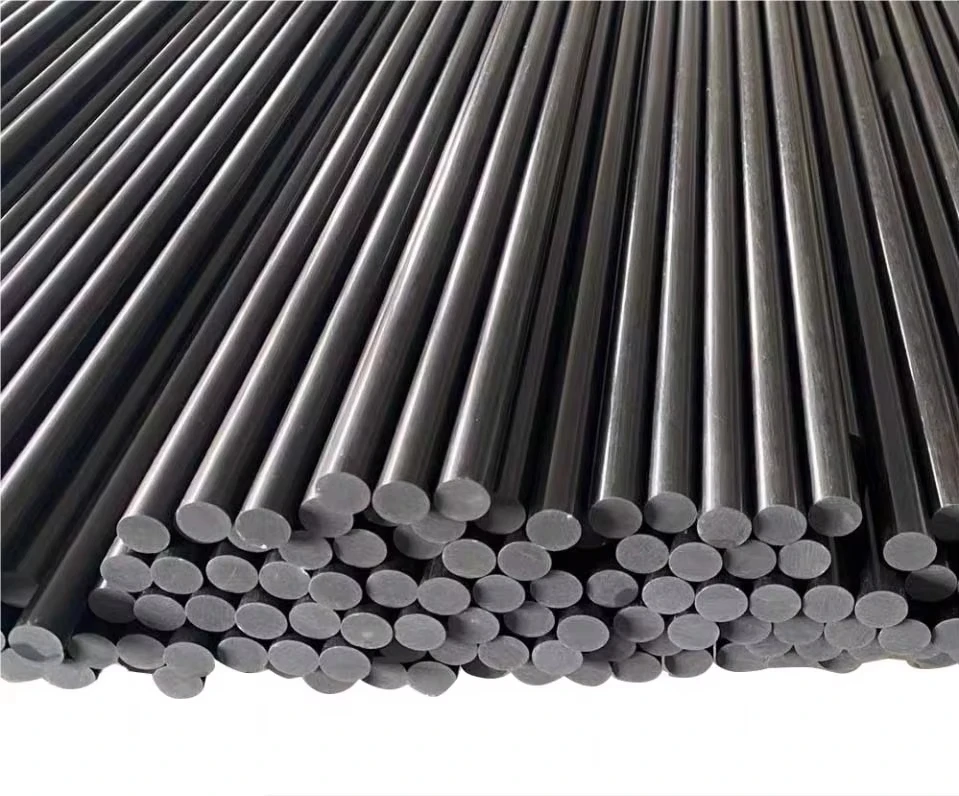
Pultruded tubes are produced using a continuous pultrusion process where carbon fibers are pulled through resin and heated dies to create strong structural tubes with consistent fiber alignment.
Roll wrapped tubes are produced by wrapping carbon fiber prepreg layers around a mandrel before curing. This process allows customized laminate structures and optimized mechanical performance.
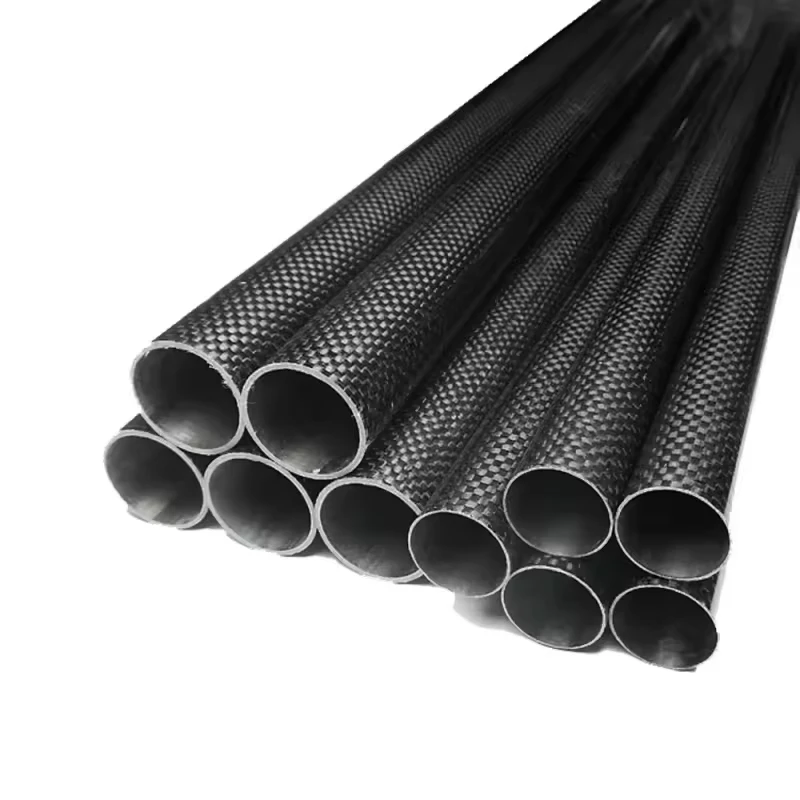
Custom manufacturing is available for carbon fiber round tubing to meet specific engineering requirements.
| Custom Option | Beschreibung |
|---|---|
| Tube Diameter | Custom outer diameter and inner diameter |
| Wanddicke | Adjustable for stiffness and weight |
| Faserausrichtung | Optimized laminate structure |
| Oberflächenbehandlung | Matte, glossy, or twill carbon fiber |
| Machining | Cutting, drilling, and CNC machining |
Custom round carbon fiber tubes can be manufactured according to project drawings and technical specifications.
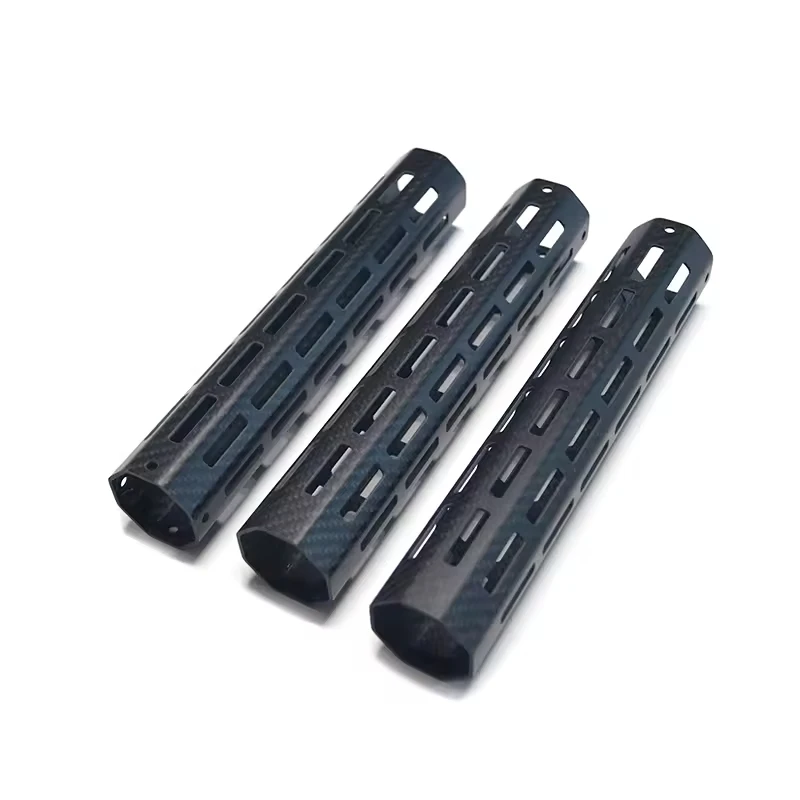
As a china carbon fiber round tube manufacturer, we support global customers seeking reliable composite tube production. Our company also works as a china carbon fiber round tube supplier, providing stable supply for international engineering projects.
Get a Free Quote Today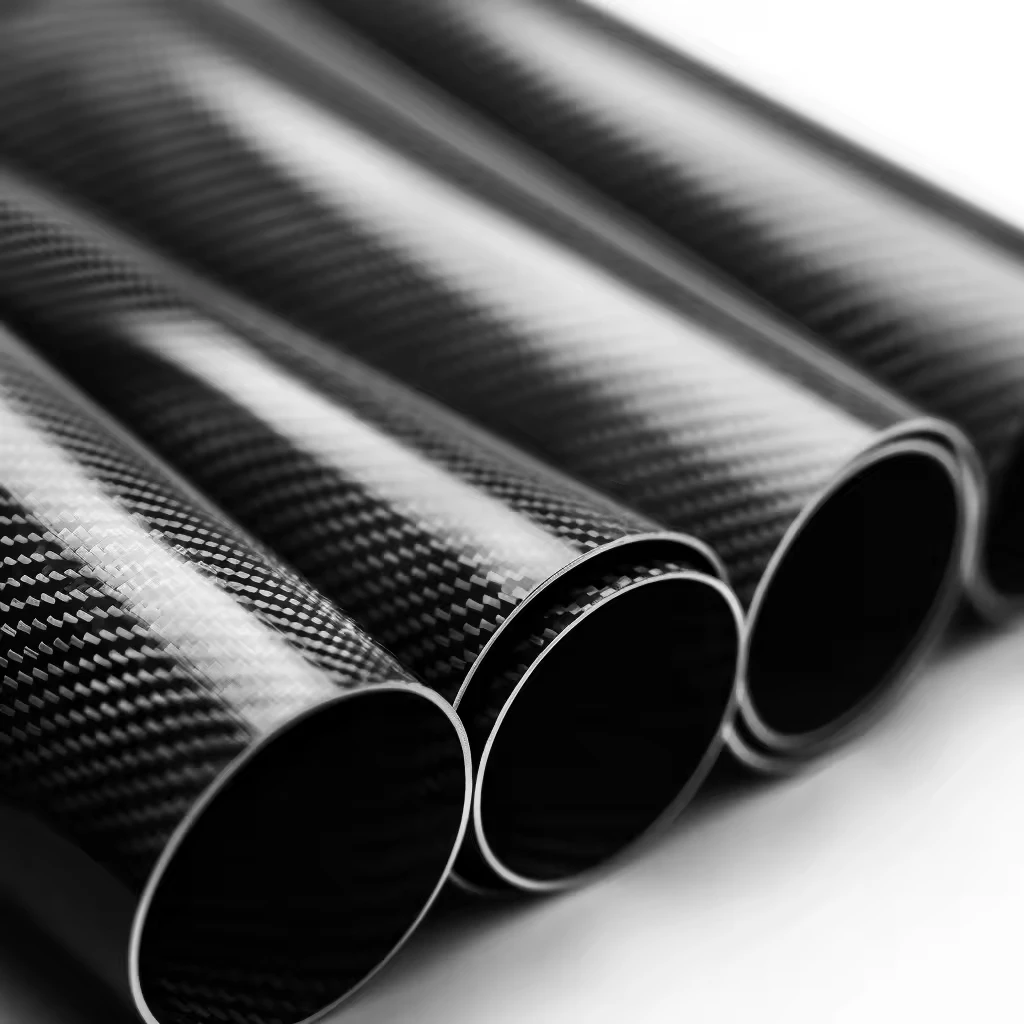
Typical engineering performance data for carbon fiber round tubes used in lightweight structural and industrial applications.
| Eigentum | Typical Value |
|---|---|
| Dichte | 1.5-1.6 g/cm³ |
| Zugfestigkeit | 600-1500 MPa |
| Flexural Strength | 500-1200 MPa |
| Compressive Strength | 400-900 MPa |
| Operating Temperature | -50°C to 120°C |
These properties make carbon fiber round tubes suitable for demanding structural applications where lightweight design and mechanical reliability are critical.
We provide a complete portfolio of composite products:
Carbon fiber tubes are primarily used in lightweight structural applications.
They are commonly used in UAV frames, robotics systems, sports equipment, industrial structures, and engineering assemblies where high stiffness and low weight are required.
Yes, carbon fiber tubes are extremely strong for their weight.
Depending on the fiber grade and laminate structure, carbon fiber tubes can achieve tensile strengths of 600–1500 MPa, making them much stronger than many traditional materials when weight is considered.
Yes, in terms of Stärke-Gewichts-Verhältnis, carbon fiber tubes are generally stronger than aluminum tubes.
Carbon fiber structures provide higher stiffness while being significantly lighter, which is why they are widely used in aerospace, robotics, and performance engineering applications.
A 3K carbon fiber tube refers to carbon fiber fabric made from bundles of 3,000 carbon filaments per tow.
3K carbon fiber is commonly used in composite tubes because it provides a balance between structural strength, surface appearance, and manufacturing efficiency.
No, carbon fiber tubes do not break easily under normal structural loads.
However, like most composite materials, carbon fiber can fail if subjected to extreme impact or loads beyond its design limits.
The main disadvantages of carbon fiber are higher cost and more complex manufacturing compared with metals.
However, its lightweight structure, high stiffness, and corrosion resistance often make carbon fiber a better choice for high-performance structural applications.