Proč si nás zákazníci vybírají :
- Výrobce - přímé řízení
- Technická podpora
- Konzistentní kvalita
- Spolehlivá doba dodání
Kanály z uhlíkových vláken jsou konstrukční kompozitní profily vyráběné tvarováním výztuh z uhlíkových vláken do tvaru písmene U nebo C a jejich vytvrzováním řízenými systémy pryskyřic.
Tyto profily kombinují nízkou hmotnost s vysokou tuhostí v ohybu a rozměrovou stabilitou, takže jsou vhodné pro nosné a výztužné aplikace, kde je rozhodující konstrukční účinnost.
Na rozdíl od plochých desek z uhlíkových vláken nebo dekorativních kompozitních lišt jsou kanály z uhlíkových vláken konstruované konstrukční prvky navržené tak, aby odolávaly ohybu, průhybu a lokálnímu zatížení.
Díky využití geometrie otevřeného kanálu dosahují tyto profily efektivní rovnováhy mezi tuhostí, přístupností a flexibilitou integrace. Orientaci vláken, tloušťku laminátu a strategii vrstvení lze upravit tak, aby se optimalizoval výkon pro konkrétní směry zatížení a požadavky na montáž.
K dosažení spolehlivých mechanických vlastností a dlouhodobé trvanlivosti se profily s kanálky z uhlíkových vláken obvykle vyrábějí pomocí systémů na bázi epoxidových pryskyřic. Při správném návrhu nabízejí ve srovnání s tradičními hliníkovými nebo ocelovými kanály vynikající odolnost proti únavě, korozi a tlumení vibrací, zejména v konstrukcích citlivých na hmotnost.
U průmyslových a OEM aplikací závisí konzistentní výkon na kontrolovaných výrobních parametrech, jako je rovnoměrnost tloušťky stěny, rozložení vláken a stabilita vytvrzování.
Výběr materiálu, konstrukce vrstvení a řízení procesu hrají zásadní roli při zajišťování opakovatelné pevnosti, rozměrové přesnosti a kvality povrchu ve všech výrobních sériích.
Kanály z uhlíkových vláken jsou k dispozici v různých konstrukčních konfiguracích, které splňují různé požadavky na zatížení a montáž.
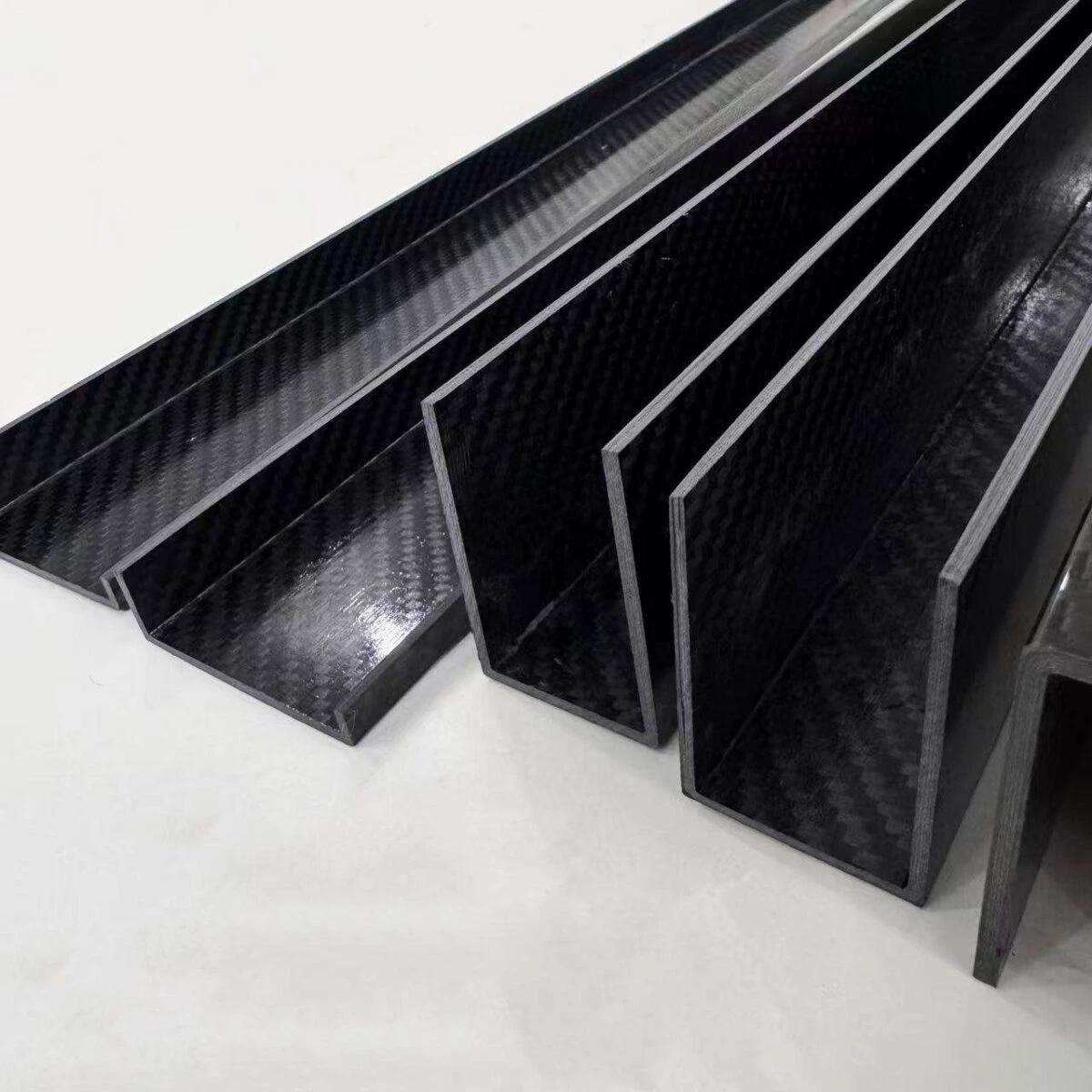
Kanálky U z uhlíkových vláken poskytují účinnou tuhost v ohybu s otevřenou geometrií, takže jsou vhodné pro výztužné lišty, lehké rámy a podpůrné konstrukce, které vyžadují snadnou integraci.
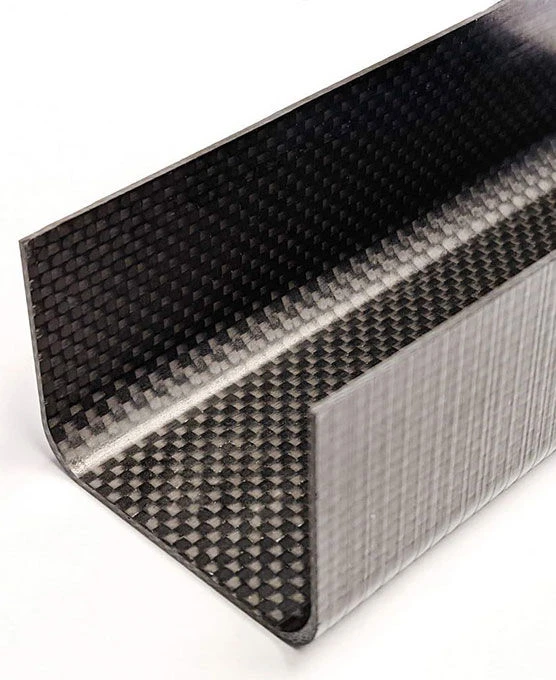
Kanály C z uhlíkových vláken nabízejí lepší přístup k okrajům a flexibilitu montáže, běžně se používají v modulárních rámech a konstrukčních sestavách.
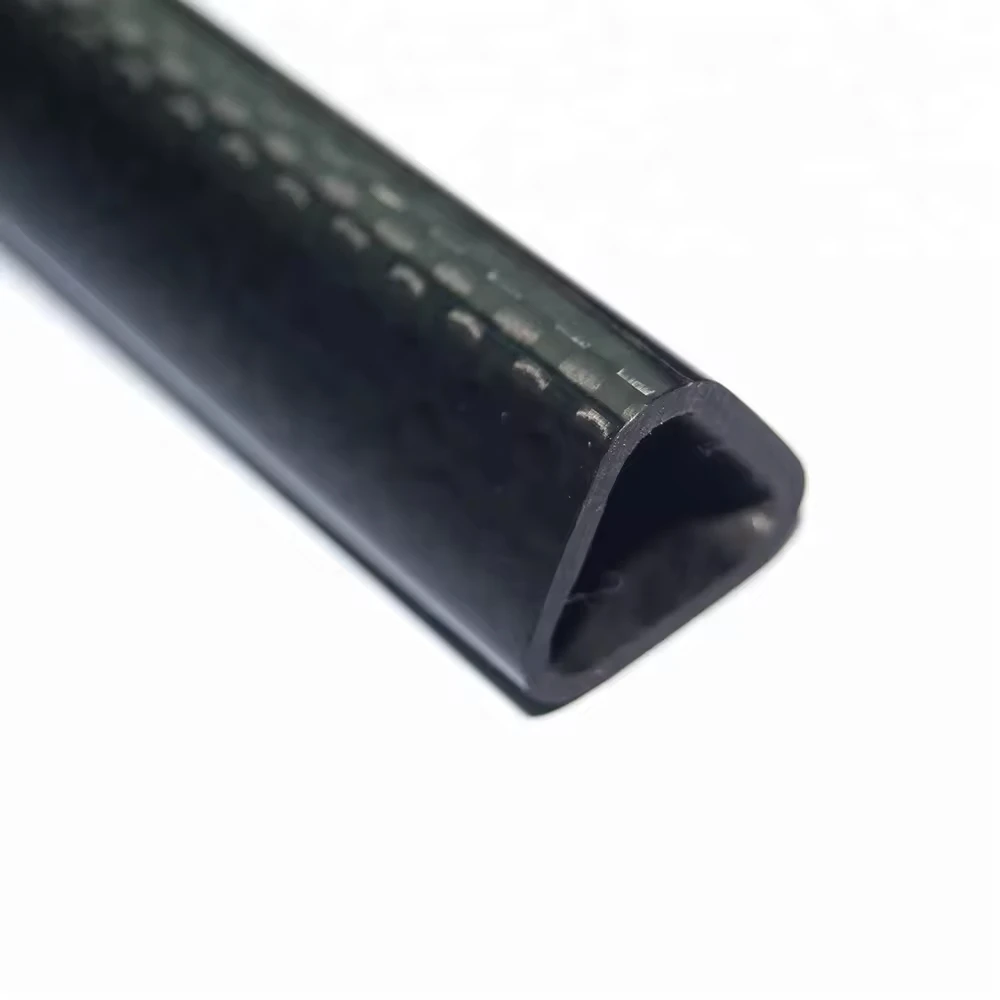
Zakázkové profily kanálů mohou být navrženy s rozměry a konfigurací vrstvení na míru, aby splňovaly specifické konstrukční a montážní požadavky.
Profily kanálů z uhlíkových vláken se dodávají na základě požadavků projektu, nikoli na základě pevně stanovených katalogových velikostí.
| Parametr | Typický rozsah |
|---|---|
| Šířka kanálu | 10 - 100 mm |
| Tloušťka stěny | 1 - 6 mm |
| Délka | Do 3000 mm |
| Orientace vláken | Jednosměrné / vícesměrné |
| Systém pryskyřice | Epoxidová pryskyřice (standardní) |
| Povrchová úprava | Matný, lesklý, tkaný, strojově opracovaný |
Kanálové profily z uhlíkových vláken se běžně volí pro aplikace vyžadující lehkou konstrukční podporu, tuhost a dlouhodobou odolnost.
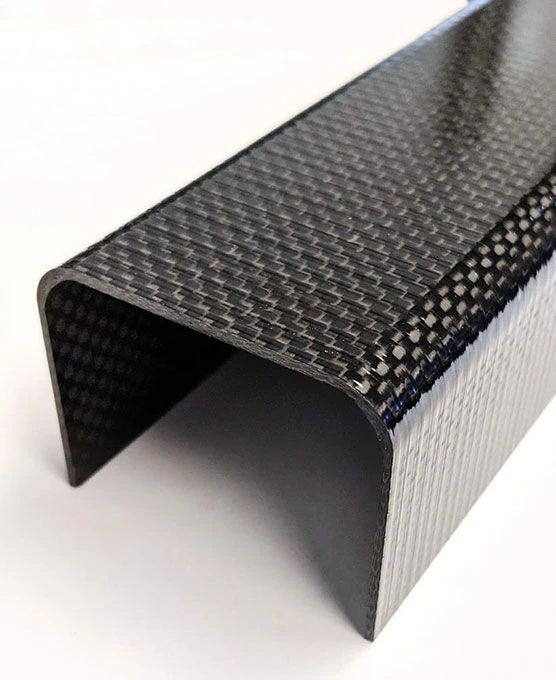
Kanály z uhlíkových vláken se používají jako výztužné prvky v rámech a nosných konstrukcích, aby se zvýšila tuhost a zároveň minimalizovala přidaná hmotnost.
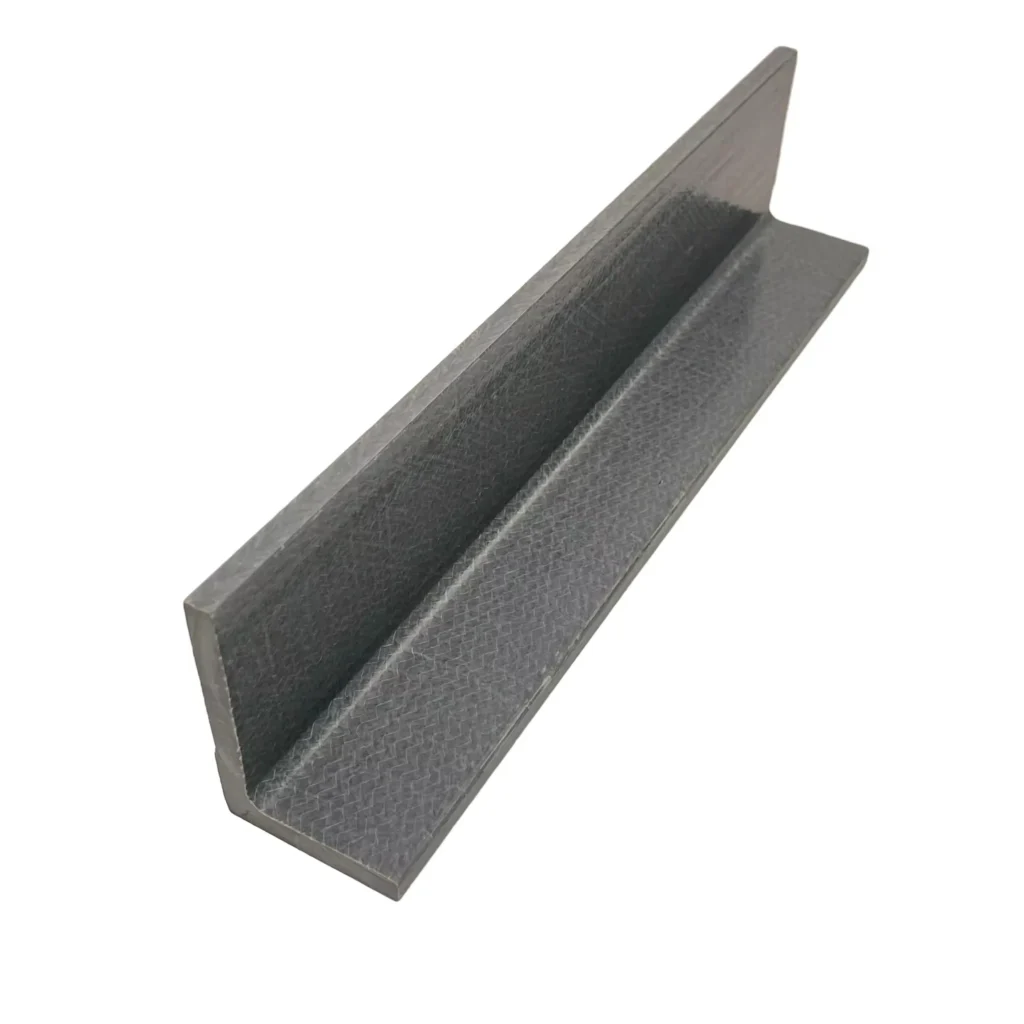
U platforem bezpilotních letadel a robotických systémů poskytují kanálové profily tuhou oporu rámům, kolejnicím a montážním konstrukcím, aniž by byla ohrožena nosnost.
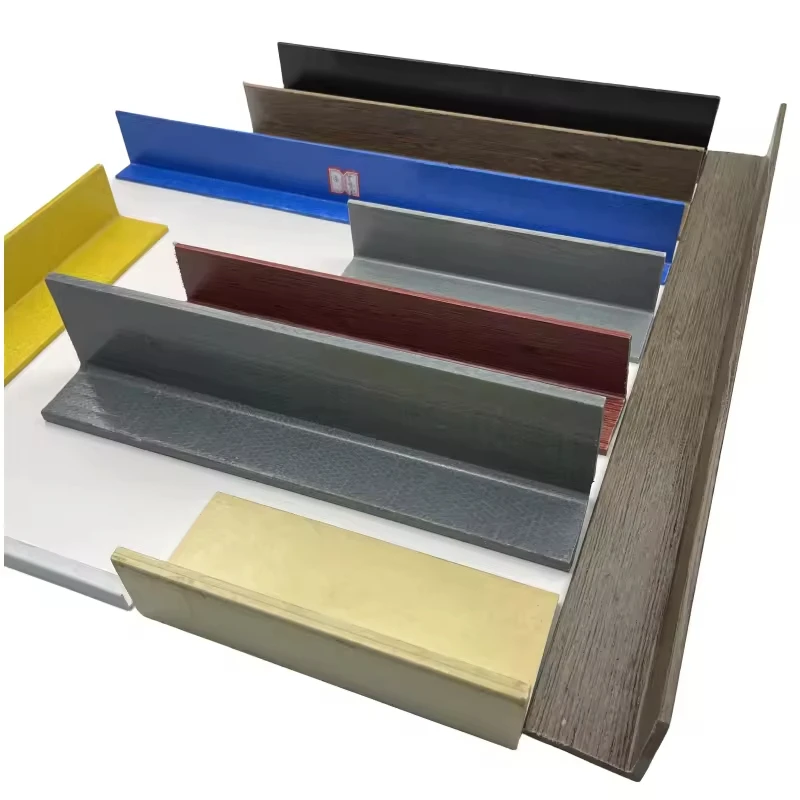
Kanály z uhlíkových vláken se používají jako lehké kolejnice, vodicí lišty a konstrukční podpěry tam, kde je rozhodující rozměrová stabilita a trvanlivost.
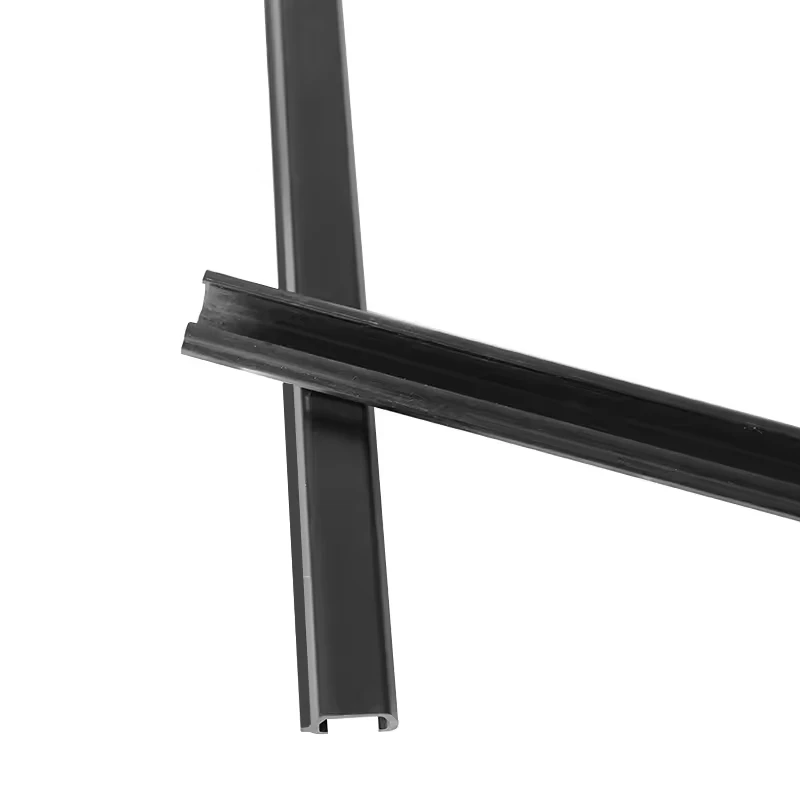
Kanálové geometrie se běžně používají v modulárních rámech a konzolových systémech, které umožňují efektivní přenos zatížení a flexibilní montáž.
Výrobní metody se volí na základě geometrie kanálu, konstrukčních požadavků a objemu výroby.
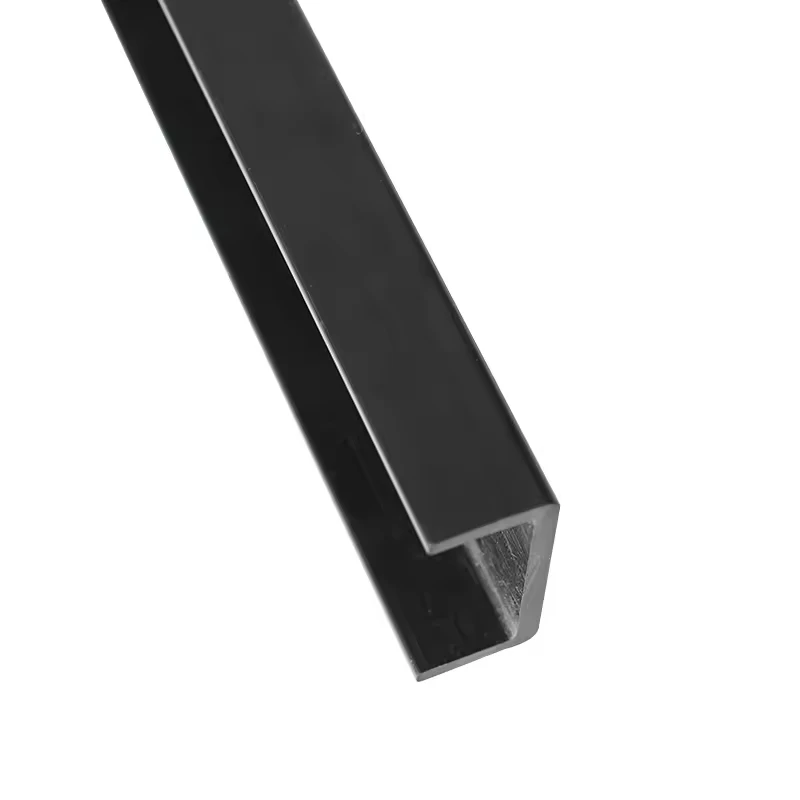
Pultruze se běžně používá pro kanály z uhlíkových vláken s konstantním průřezem.
Tento proces zajišťuje stabilní tloušťku stěny, konzistentní uspořádání vláken a opakovatelnou kvalitu pro dlouhé a rovné konstrukční kanály.
Lay-up and compression molding methods are applied to channel profiles with variable dimensions, corner radii, or localized reinforcement requirements.
These processes allow greater flexibility in laminate design to match specific load paths and assembly constraints.
After curing, carbon fiber channels can be CNC machined to achieve precise lengths, slots, and mounting features.
Secondary processing ensures accurate integration into assemblies without compromising structural integrity.
Carbon fiber channels and aluminum channels are both widely used structural profiles in industrial and engineering applications. While aluminum channels have long been the standard choice, carbon fiber channels are increasingly adopted in projects where weight reduction, stiffness optimization, and long-term structural performance are critical.
Below is a practical comparison to help engineers and buyers select the appropriate channel material based on application requirements.
One of the most significant advantages of carbon fiber channels is their exceptional strength-to-weight ratio.
Carbon fiber channels deliver high tensile strength and bending stiffness at significantly lower density
Aluminum channels provide good absolute strength but require thicker or heavier sections to achieve comparable stiffness
In weight-sensitive structures such as UAV frames, robotic assemblies, and lightweight industrial equipment, carbon fiber channels can typically reduce structural weight by 30–60% compared to aluminum channels while maintaining equivalent or higher stiffness.
Carbon fiber channels can be engineered with tailored fiber orientations (0°, 90°, ±45°), allowing stiffness and strength to be optimized along specific load paths.
This makes them highly effective in applications with directional bending or torsional loads.
Aluminum channels are isotropic, meaning their mechanical properties are uniform in all directions. While this simplifies structural design, it limits the ability to optimize stiffness without increasing section size or weight.
As a result, carbon fiber channels excel in engineered, load-specific structures, whereas aluminum channels are better suited for general-purpose framing.
Carbon fiber channels are inherently resistant to corrosion, moisture, and most industrial chemicals, making them suitable for outdoor, marine-adjacent, or chemically exposed environments.
Aluminum forms a natural oxide layer that provides basic protection, but it can still suffer corrosion in saltwater, humid, or aggressive chemical conditions without additional surface treatments such as anodizing or coating.
For applications requiring long-term durability with minimal maintenance, carbon fiber channels often provide superior environmental resistance.
Aluminum channels offer excellent thermal and electrical conductivity, making them suitable for:
Heat dissipation structures
Electrical grounding components
Enclosures requiring thermal management
Carbon fiber channels are electrically conductive but exhibit much lower thermal conductivity than aluminum. They are not typically used where heat transfer is a primary design function.
Aluminum channels are easy to machine using standard CNC processes, offering fast cutting speeds, low tooling costs, and broad fabrication compatibility.
Carbon fiber channels require specialized machining methods, such as:
CNC machining with dust extraction
Diamond-coated or composite-specific tools
Controlled cutting parameters to prevent delamination
While fabrication complexity is higher, carbon fiber channels enable lightweight, high-precision structural components that are difficult to achieve with metal profiles.
Aluminum channels generally have lower raw material and machining costs
Carbon fiber channels involve higher upfront material and processing costs
However, in performance-driven applications, carbon fiber channels often deliver better lifecycle value through reduced system weight, improved fatigue resistance, and longer service life.
| Aplikace | Better Choice | Reason |
|---|---|---|
| UAV & aerospace structures | Kanály z uhlíkových vláken | Lehké a vysoce tuhé |
| Robotics & automation frames | Kanály z uhlíkových vláken | Directional strength & vibration resistance |
| Lightweight industrial equipment | Kanály z uhlíkových vláken | Structural efficiency |
| Heat dissipation frames | Aluminum Channels | Thermal conductivity |
| Cost-sensitive structural frames | Aluminum Channels | Lower material and machining cost |
Choose carbon fiber channels if your project prioritizes:
Lightweight structural design
High stiffness and strength efficiency
Fatigue resistance and long service life
Corrosion resistance in demanding environments
Choose aluminum channels if your project prioritizes:
Nižší počáteční náklady
Thermal conductivity
Simple machining and high-volume production
A carbon fiber channel is a U- or C-shaped composite structural profile used for lightweight reinforcement and load-bearing applications.
They are commonly used in structural frames, UAV and robotics structures, industrial equipment, and lightweight modular assemblies.
In terms of strength-to-weight and stiffness efficiency, carbon fiber channels typically outperform aluminum channels in weight-sensitive structures.
Yes. Dimensions, wall thickness, fiber orientation, and surface finish can be customized based on application and engineering requirements.
They are typically produced using pultrusion for constant cross sections, lay-up or compression molding for complex geometries, followed by CNC machining if required.
Yes. With controlled manufacturing processes, carbon fiber channels can achieve consistent mechanical performance and repeatable quality for OEM and batch production.