Proč si nás zákazníci vybírají :
- Výrobce - přímé řízení
- Technická podpora
- Konzistentní kvalita
- Spolehlivá doba dodání

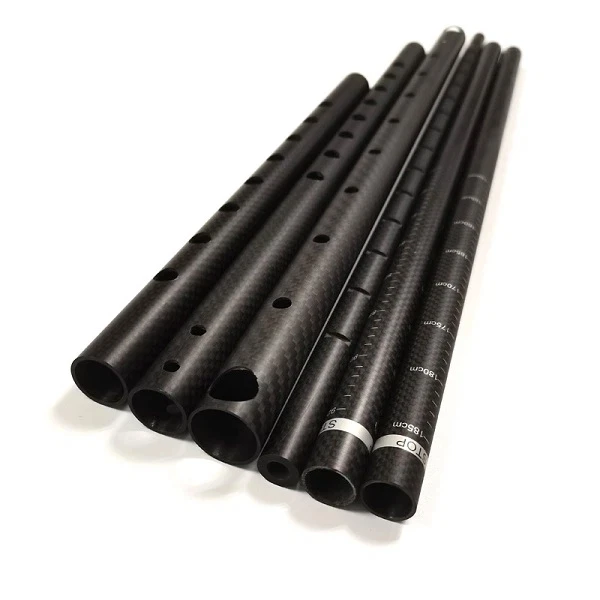
Composite rods are engineered rod-shaped components manufactured from fiber-reinforced composite materials to replace or complement traditional metal rods in industrial and OEM assemblies.
By combining continuous fibers with controlled resin systems, composite rods provide a balance of structural reliability, environmental resistance, and material efficiency that is difficult to achieve with single-material solutions.
In practical applications, composite rods are most commonly supplied as carbon fiber rods or fiberglass rods, selected according to stiffness demands, operating conditions, and overall cost objectives.
While their external form may appear similar, differences in fiber composition and laminate structure lead to distinct performance characteristics and sourcing considerations.
Rather than serving as raw materials, composite rods are supplied as standardized structural products optimized for integration into assemblies where dimensional stability, repeatable quality, and long-term service behavior are critical.
Composite rods are grouped by material type to support different structural, environmental, and procurement requirements.

Carbon fiber rods are selected when stiffness-to-weight and structural rigidity are primary design considerations.
They are commonly used in weight-sensitive and performance-driven OEM assemblies.
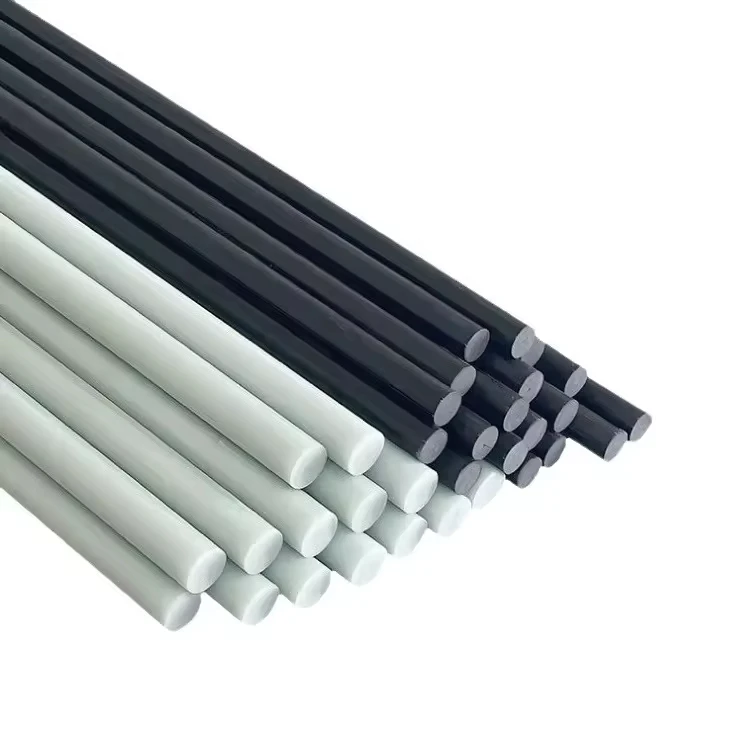
Fiberglass rods are chosen for cost efficiency, corrosion resistance, and insulation-oriented requirements.
They are widely applied in industrial, outdoor, and and utility-related assemblies.
Differences between carbon fiber rods and fiberglass rods to support efficient OEM selection before RFQ submission.
| Selection Aspect | Tyče z uhlíkových vláken | Sklolaminátové tyče |
|---|---|---|
| Primary Design Focus | High stiffness-to-weight performance | Durability, insulation, and cost stability |
| Structural Behavior | Very stiff with minimal deflection | Lower stiffness with higher strain tolerance |
| Impact & Handling | Best suited for controlled loading | Better tolerance to impact and handling |
| Elektrické vlastnosti | Electrically conductive | Non-conductive |
| Typical Operating Environment | Weight-sensitive, precision assemblies | Outdoor, electrical, and corrosion-exposed use |
| Cost Consideration | Higher material cost | More cost-efficient for volume supply |
| Common OEM Use Case | Lightweight structural components | General-purpose or insulating structural rods |
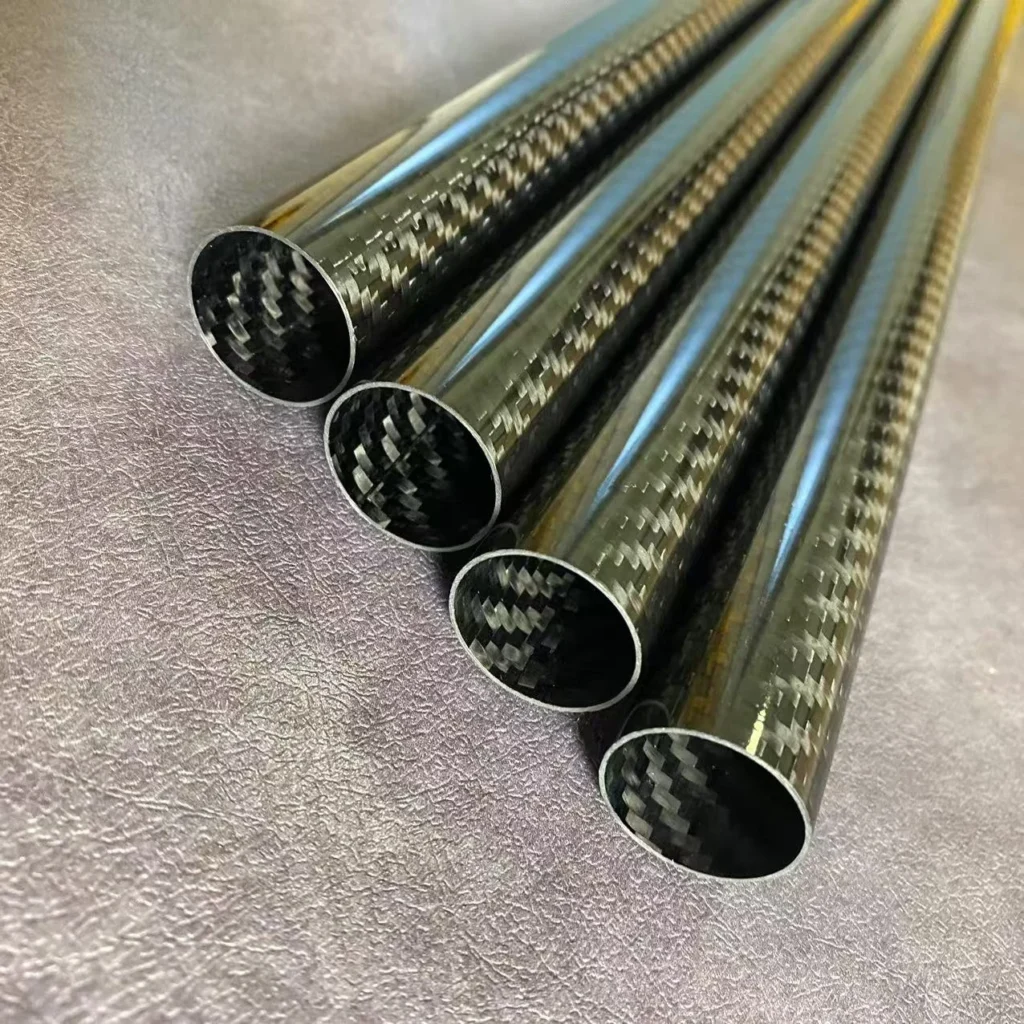
Composite rods are typically manufactured using carbon fiber, fiberglass (E-glass or S-glass), Kevlar®, or hybrid fiber combinations.
The correct composite rod material is selected based on stiffness, impact resistance, electrical properties, and cost requirements.
Composite rods are structural rods made from fiber-reinforced materials such as carbon fiber, fiberglass, or aramid combined with resin systems.
Yes, composite rods can be customized in diameter, length, fiber type, layup structure, and surface finish.