Proč si nás zákazníci vybírají :
- Výrobce - přímé řízení
- Technická podpora
- Konzistentní kvalita
- Spolehlivá doba dodání
Carbon fiber (commonly referred to as graphite in the golf industry) golf shafts are high-performance composite structures engineered to optimize weight distribution, flex response, torque control, and vibration damping. Unlike traditional steel shafts, carbon fiber shafts are constructed through layered composite layups that allow precise control over stiffness profiles, launch characteristics, and swing dynamics.
By adjusting fiber modulus (e.g., 24T, 30T, 40T), fiber orientation (0°, ±45°, 90°), wall thickness, and resin systems, manufacturers can design shafts tailored to specific swing speeds, player categories, and club types. This engineering flexibility enables weight reductions of 30–50% compared to steel while maintaining structural integrity and improving energy transfer efficiency.
In OEM and private label production, carbon fiber golf shafts are not simply lighter alternatives to steel — they are engineered performance components designed to influence launch angle, spin rate, shot dispersion, and overall swing feel. For brands and equipment developers, this level of customization provides a competitive advantage in performance positioning and product differentiation.
Poptávka nyníWe produce a full range of carbon fiber golf club shafts for OEM brands and private label programs.
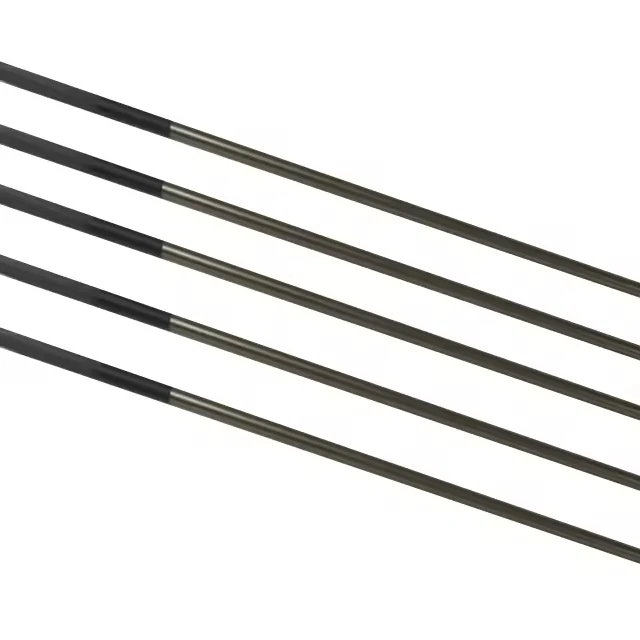
Designed for high swing speeds and maximum distance. Low torque carbon fiber construction supports stable launch, reduced dispersion, and optimized energy transfer.
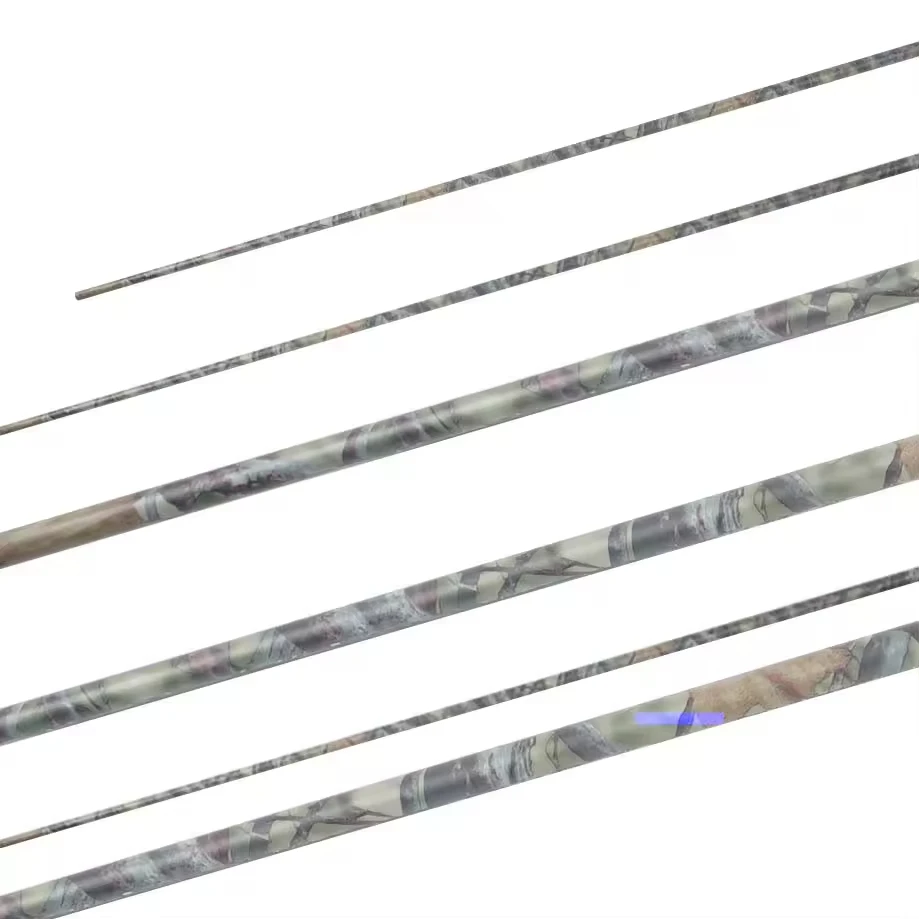
Balanced flex profile for controlled launch and mid-spin performance. Engineered for smooth transition and consistent distance control.
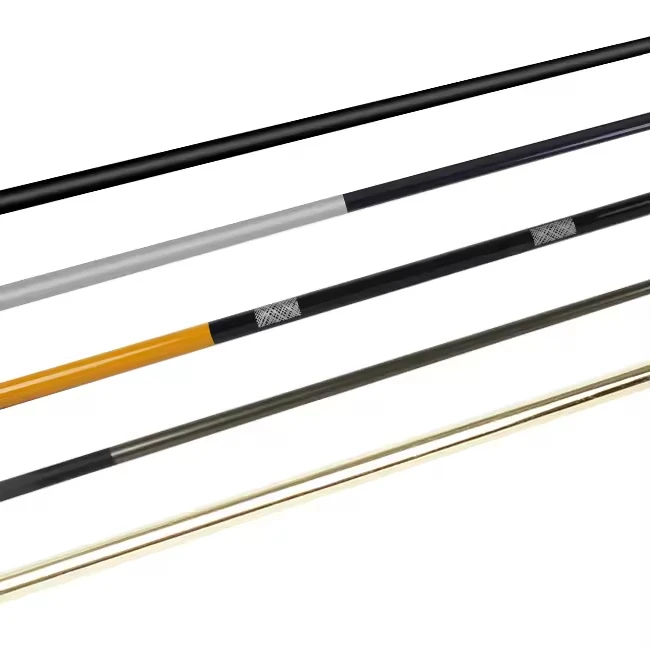
Lightweight graphite iron shafts reduce vibration and improve swing control. Available in multiple weight and flex configurations.
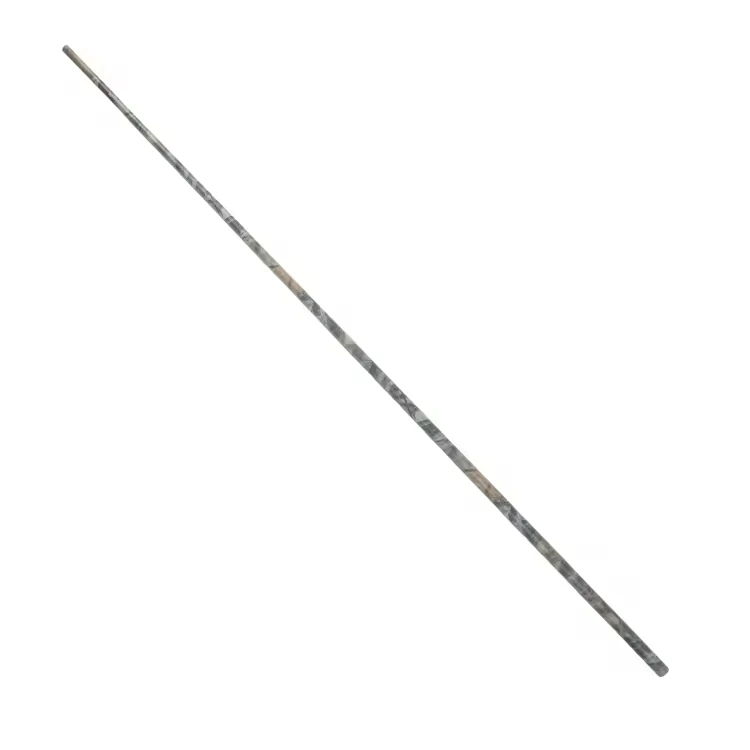
Reinforced tip design for higher launch and controlled spin. Ideal for rescue clubs and long-iron replacements.
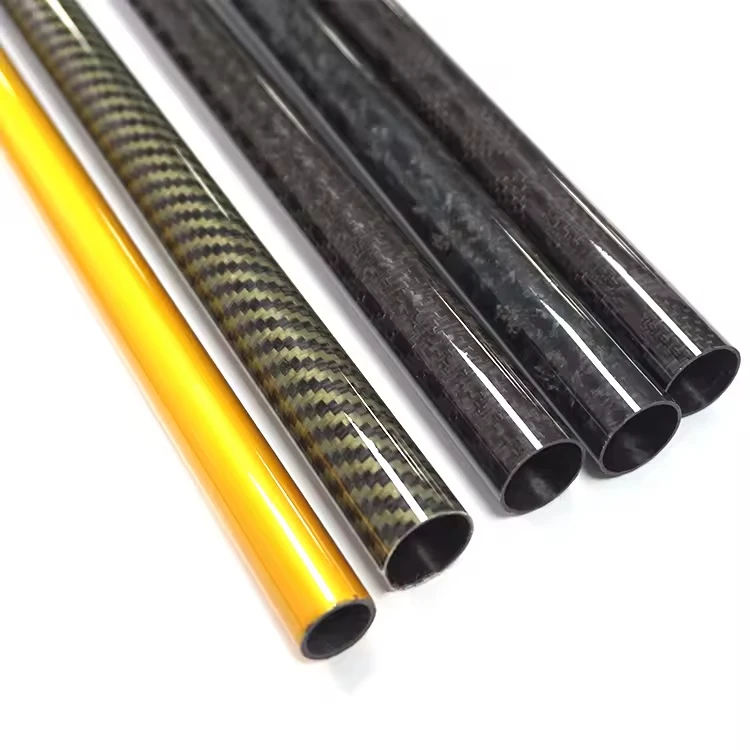
Optimized for lower swing speeds. Lightweight construction improves tempo, ball speed, and consistency.
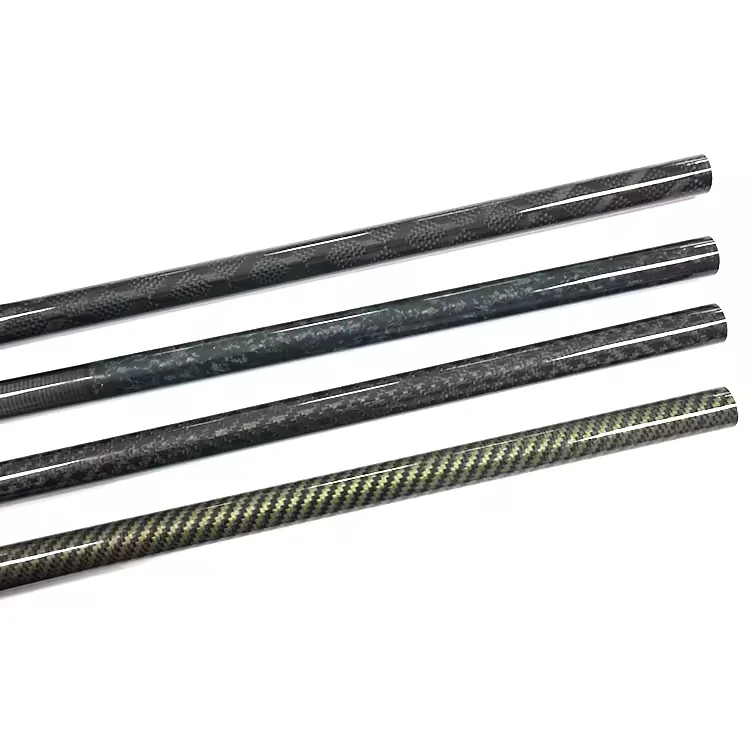
High-stability composite shafts designed to reduce torsion and enhance face alignment for improved roll consistency.
Modern golf performance depends heavily on weight distribution, torque control, and vibration management. Compared to traditional steel shafts, carbon fiber shafts provide measurable engineering advantages.
Lower weight enables higher swing speed potential, while composite layup design allows engineers to control kick point, torque, and flex profile — parameters that cannot be tuned precisely in steel.
This makes graphite golf shafts the preferred solution for performance drivers, distance-focused clubs, and fatigue-reducing designs.
| Majetek | Carbon Fiber Shaft | Steel Shaft |
| Hustota | ~1.5–1.6 g/cm³ | ~7.8 g/cm³ |
| Typical Driver Weight | 40–70 g | 90–130 g |
| Vibration Damping | Vysoká | Low |
| Torque Tunability | Adjustable (2.0°–6.0°) | Omezené |
| Launch Optimization | Tunable via layup | Omezené |
Engineered specification range for OEM golf shaft programs, covering fitment standards, flex control, torque tuning, and tip options.
| Item | Typical OEM Range | Notes for Engineering / Purchasing |
| Shaft Type Coverage | Driver / Fairway / Hybrid / Iron / Wedge | Separate layup libraries per category |
| Raw Length (Uncut) | 40″ – 48″ | Final length defined by trim instructions |
| Finished Playing Length (Reference) | Driver: ~44″–46″ / Iron: club-set dependent | We build to your clubhead + build spec |
| Weight Class | 40g – 110g | Ultra-light to control-oriented builds |
| Flex Options | L / A (Senior) / R / S / X + Custom | Flex is verified by frequency (CPM) target, not label only |
| Torque | 2.0° – 6.0° (customizable) | Lower torque = firmer feel / stability; higher torque = softer feel / more release |
| Bend Profile / Kick Point | Low / Mid / High | Used to tune launch window and feel |
| Launch Window Target | Low / Mid / High | Defined by bend profile + torque + tip stiffness |
| Spin Tendency Target | Low / Mid / High | Achieved via tip section and layup design |
| Fiber / Modulus Options | 24T / 30T / 40T (and mixed) | Modulus mix controls feel vs stability |
| Construction Options | UD / Multi-axis / Woven cosmetic layer | OEM performance is driven by UD/multi-axis structure |
| Tip Type | Common Standards | Typical Use | Poznámky |
| Parallel Tip | 0.335″, 0.350″, 0.370″ | Woods / some hybrids / many parallel-tip irons | Parallel tips allow broader tip-trim tuning |
| Taper Tip | 0.355″ Taper | Many iron shaft systems | Usually no tip-trim (butt-trim only) per build system |
| Custom Fitment | Per hosel bore | OEM clubheads / proprietary systems | Confirm bore ID + insertion depth before sampling |
We operate controlled composite production.
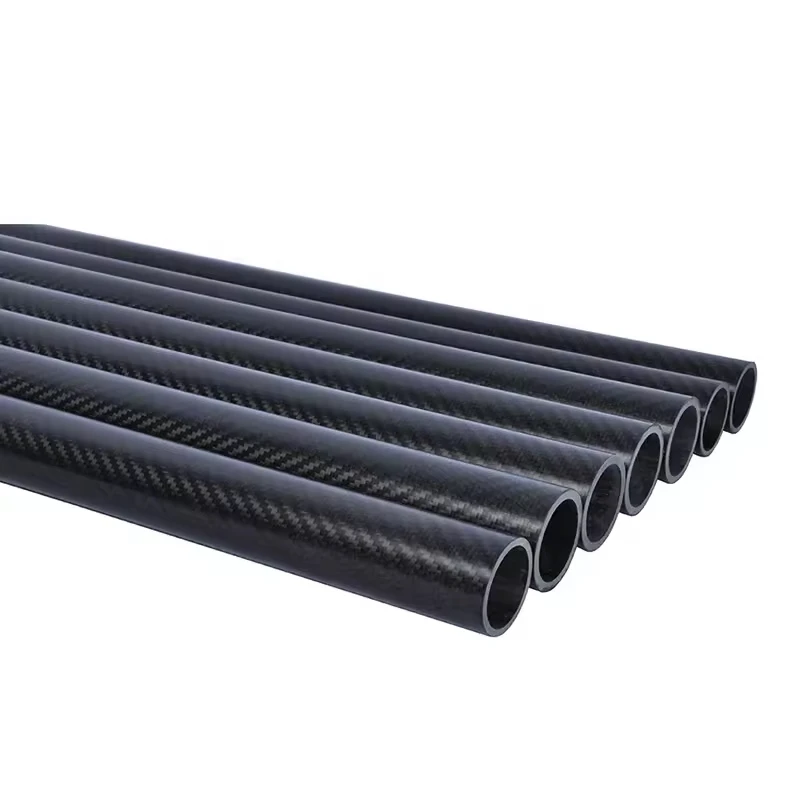
Our process includes:
Mandrel-based layup design
Multi-axis fiber orientation control
Precision resin curing cycle
Frequency and torque testing
Balance point verification
Surface finishing & painting
Batch traceability management
Each production batch can be tested for stiffness consistency and torque deviation control, reducing performance variation risk.
We offer a variety of customization services.
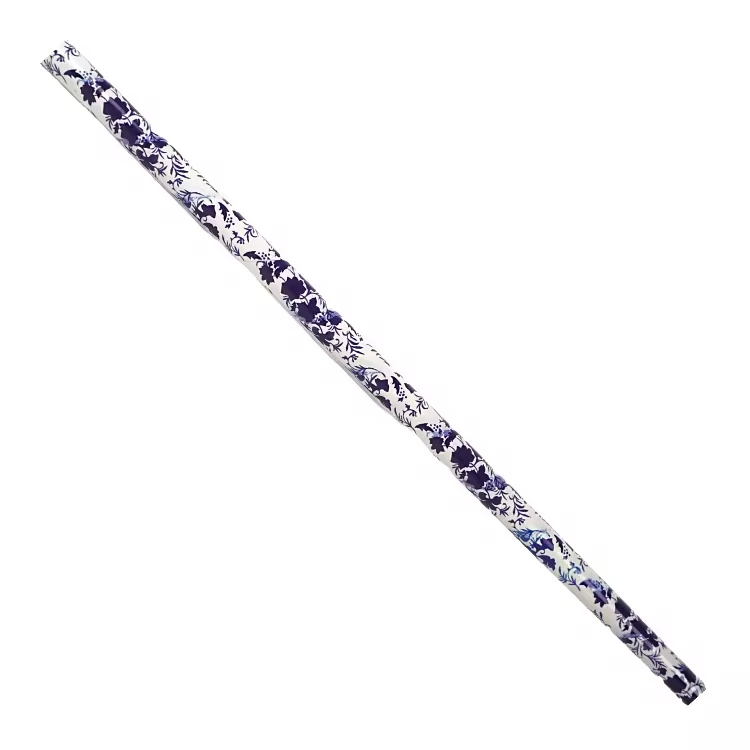
Converting from Steel to Carbon Fiber for Performance Optimization
A European mid-tier golf equipment brand approached us to develop a private-label graphite driver shaft to replace their existing steel shaft line.
Their objectives were:
Reduce overall club weight
Improve swing speed
Lower torque variance between batches
Increase product differentiation in a competitive market
Annual projected volume: 18,000–25,000 shafts.
The client’s original steel shaft specifications:
Raw weight: 118g
Torque: 4.8°
Flex consistency tolerance: ±6 CPM
Launch profile: Mid
Spin: Mid-high
Challenges identified:
Excessive weight reduced swing speed for amateur players
Torque inconsistency caused dispersion variance
Vibration feedback was harsh
Manufacturing tolerance variation between suppliers
The brand was experiencing high return rates due to performance inconsistency.
After reviewing target player profile and swing data, we proposed:
24T + 30T carbon fiber hybrid layup
3K woven outer cosmetic layer
High-modulus unidirectional core reinforcement
Multi-axis fiber orientation (0° / ±45° / 90°)
| Parametr | Steel Shaft | New Carbon Shaft |
|---|---|---|
| Raw Weight | 118g | 64g |
| Torque | 4.8° | 3.6° |
| Flex Tolerance | ±6 CPM | ±2.5 CPM |
| Balance Point | 610mm | 625mm |
| Swing Weight Impact | D4 | D1 |
We optimized wall thickness distribution to maintain stiffness while reducing total mass.
Tip diameter options developed:
0.335″ (Driver)
0.350″ (OEM compatibility version)
To ensure performance consistency at scale:
Mandrel precision control ±0.02mm
Resin content control within ±1.5%
Torque testing on every 20-piece batch
CPM verification for each production lot
Dynamic balance measurement before finishing
Surface finish options provided:
Matte
High-gloss clear coat
Custom paint branding
Production cycle:
First article approval: 18 days
Mass production lead time: 25–30 days
Independent player testing (handicap 8–18, 42 participants):
Average swing speed increase: +2.8 mph
Ball speed increase: +4.6 mph
Carry distance improvement: +7.2 yards
Shot dispersion reduction: 11%
Vibration feedback rating improved by 38% (player survey)
Within 9 months of launch:
Product line weight category expanded (50g / 60g options)
Return rate reduced by 21%
Gross margin improved by 14%
Market repositioned from mid-tier to performance-focused segment
The carbon fiber shaft became one of the brand’s top 3 best-selling SKUs.
This project demonstrated that:
Proper fiber orientation design is more critical than material grade alone
Torque consistency is a major factor in perceived quality
Manufacturing tolerance control determines brand credibility
Carbon fiber allows structural optimization not possible with steel
For OEM brands seeking to upgrade performance positioning, a well-engineered graphite shaft platform can significantly improve both player experience and commercial outcomes.
Nabízíme kompletní portfolio kompozitních výrobků:
0.335″ shafts are typically parallel tip designs used in drivers and fairway woods, allowing tip trimming for flex tuning.
0.355″ shafts are usually taper tip iron shafts, designed for specific hosel fitment and generally not tip-trimmed. Correct selection depends on hosel bore diameter and build specification.
Torque measures how much a shaft resists twisting during the swing.
Lower torque (2.0°–3.0°) provides a firmer feel and more face stability.
Higher torque (4.0°–6.0°) offers a softer feel and increased forgiveness.
Torque is controlled through composite layup architecture.Carbon arrows generally offer better consistency and straightness retention than aluminum arrows.
Hliníkové šípy jsou náchylnější k trvalému ohýbání, zatímco uhlíkové šípy si lépe zachovávají výkon při opakovaném používání.
Flex is verified by frequency (CPM – cycles per minute) rather than label alone.
CPM testing measures shaft stiffness under controlled load conditions.
OEM production should match target frequency ranges to ensure consistency across batches.
Parallel tip shafts have a constant diameter tip section and allow trimming to fine-tune stiffness.
Taper tip shafts gradually narrow and are designed for specific iron head systems, typically requiring butt trimming only.
Fitment depends on clubhead hosel design.
Raw shaft length typically ranges from 40″ to 48″.
Final playing length depends on club type, hosel insertion depth, and trimming instructions.
For OEM builds, raw length and trim rules must be defined before production.
Graphite (carbon fiber) shafts are significantly lighter and offer better vibration damping.
They also allow engineered flex profiles and torque tuning through layup design.
Steel shafts provide durability but limited performance customization.Yes. A 400 spine arrow is stiffer than a 500 spine arrow.
S rostoucím počtem hřbetů se tuhost šípu snižuje.
Kick point (bend point) refers to where the shaft flexes most during the swing.
Low kick points generally promote higher launch, while high kick points produce lower launch.
It is controlled through fiber orientation and section stiffness distribution.
Most iron shafts use 0.355″ taper tip or 0.370″ parallel tip designs.
The correct diameter must match the hosel bore specification.
Incorrect sizing can cause bonding issues or performance inconsistency.