Why Customers Choose Us :
- Manufacturer-Direct Control
- Engineering Support
- Consistent Quality
- Reliable Lead Time

We manufacture custom carbon fiber rescue poles for water rescue, swimming pool safety, industrial retrieval, equipment deployment and long-reach push-pull operations.
The lightweight carbon fiber tube structure helps reduce operator fatigue when the pole is fully extended, while a customized fiber layup provides the stiffness required for controlled movement over longer distances. Each telescopic rescue pole can be configured according to the required extended length, collapsed length, section diameter, locking system and working attachment.
Available designs include fixed-length poles, modular rescue reach poles and multi-section telescopic rescue poles for professional equipment manufacturers, safety product distributors, rescue organizations and OEM brands.

Different rescue environments require different pole lengths, locking systems and working heads.
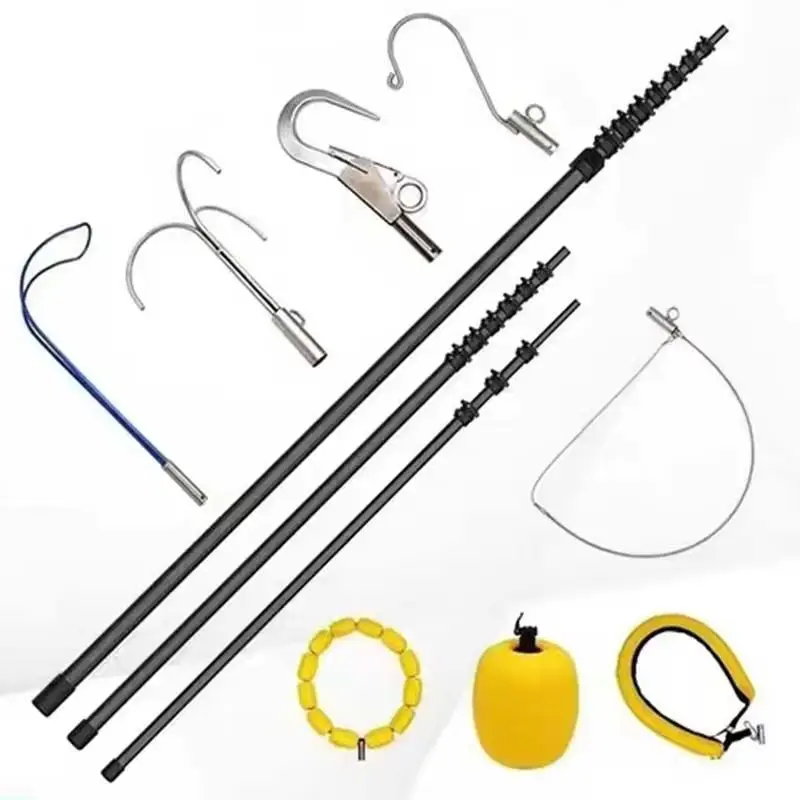
Extends for long-distance rescue and retracts to a compact size for transport and storage.
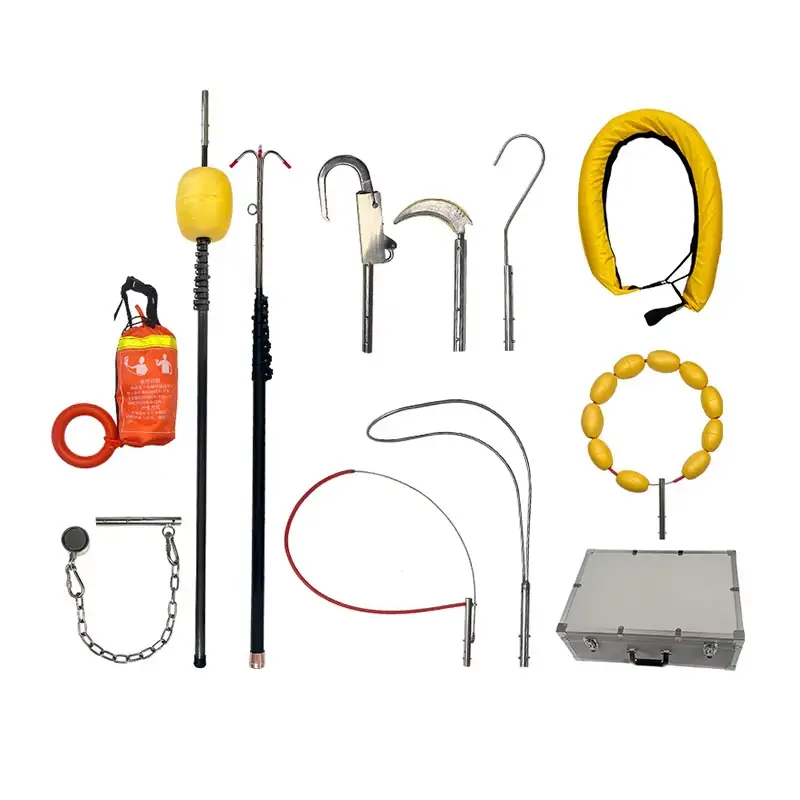
Designed for reaching people, flotation devices or equipment around pools, boats, docks and shorelines.
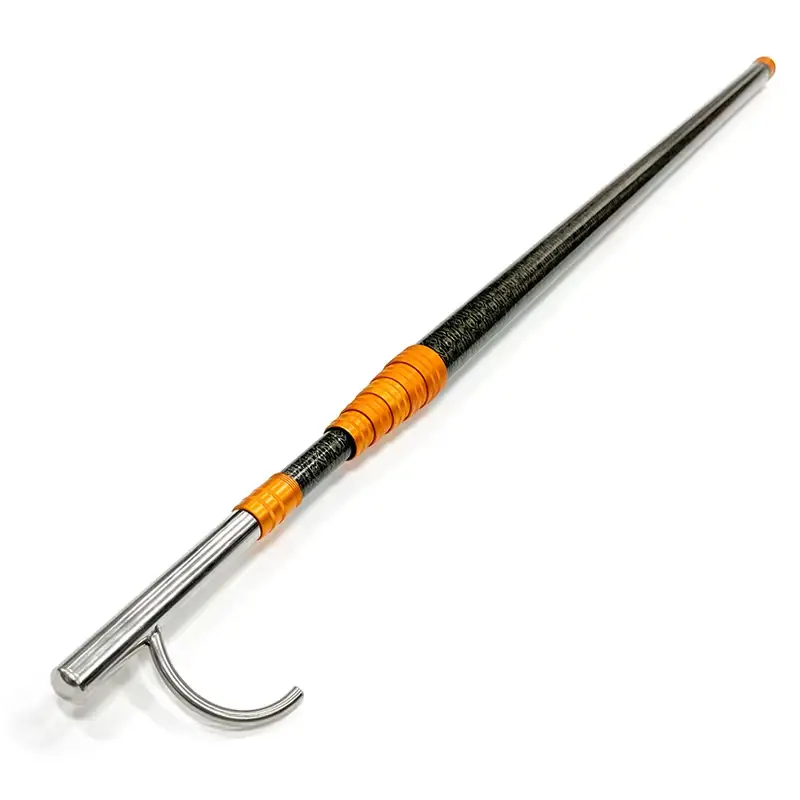
Allows operators to push, pull or reposition objects while maintaining a safer working distance.
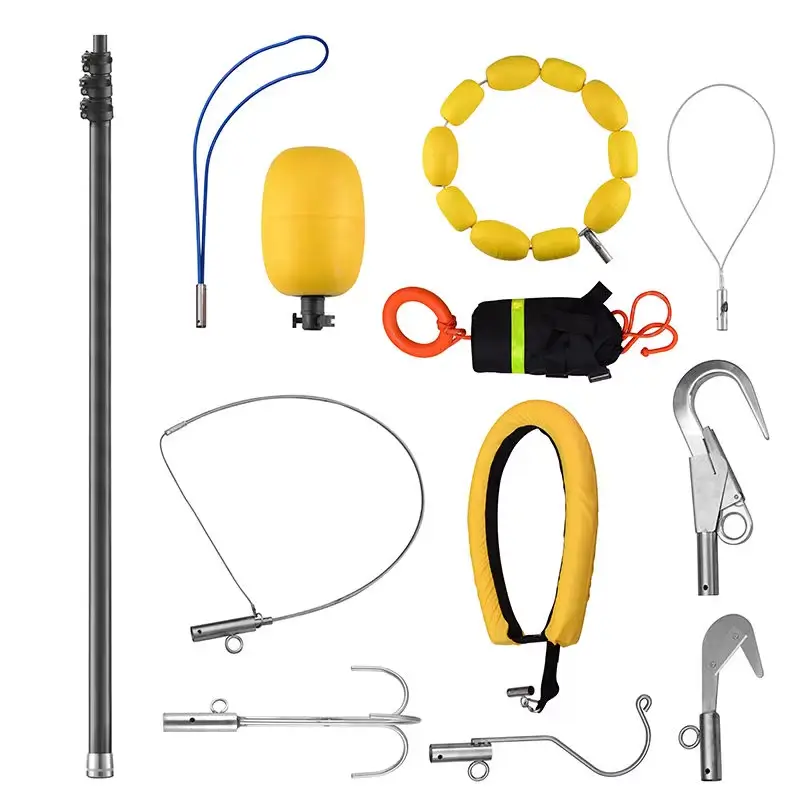
Can be fitted with rescue hooks, body hooks, boat hooks or custom retrieval attachments.
Carbon fiber rescue poles can be customized for different water, marine, industrial and emergency applications.
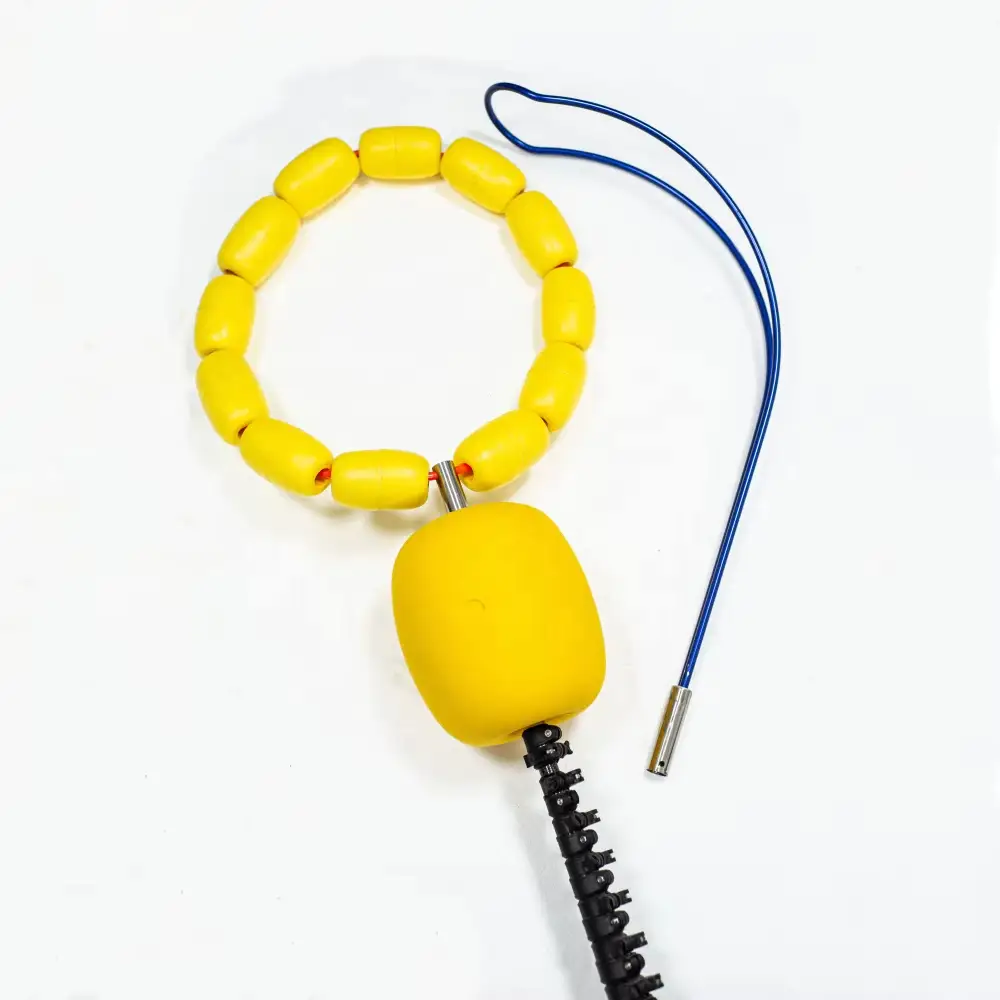
Used to extend rescue hooks or flotation equipment toward people in swimming pools.
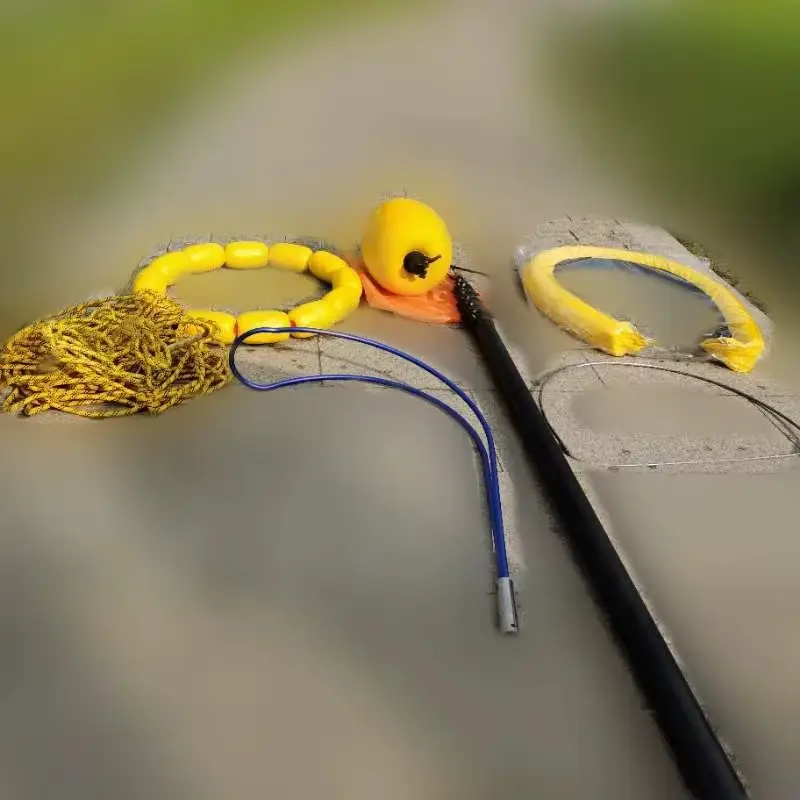
Provides extended reach from riverbanks, lakesides, reservoirs and other waterside areas.
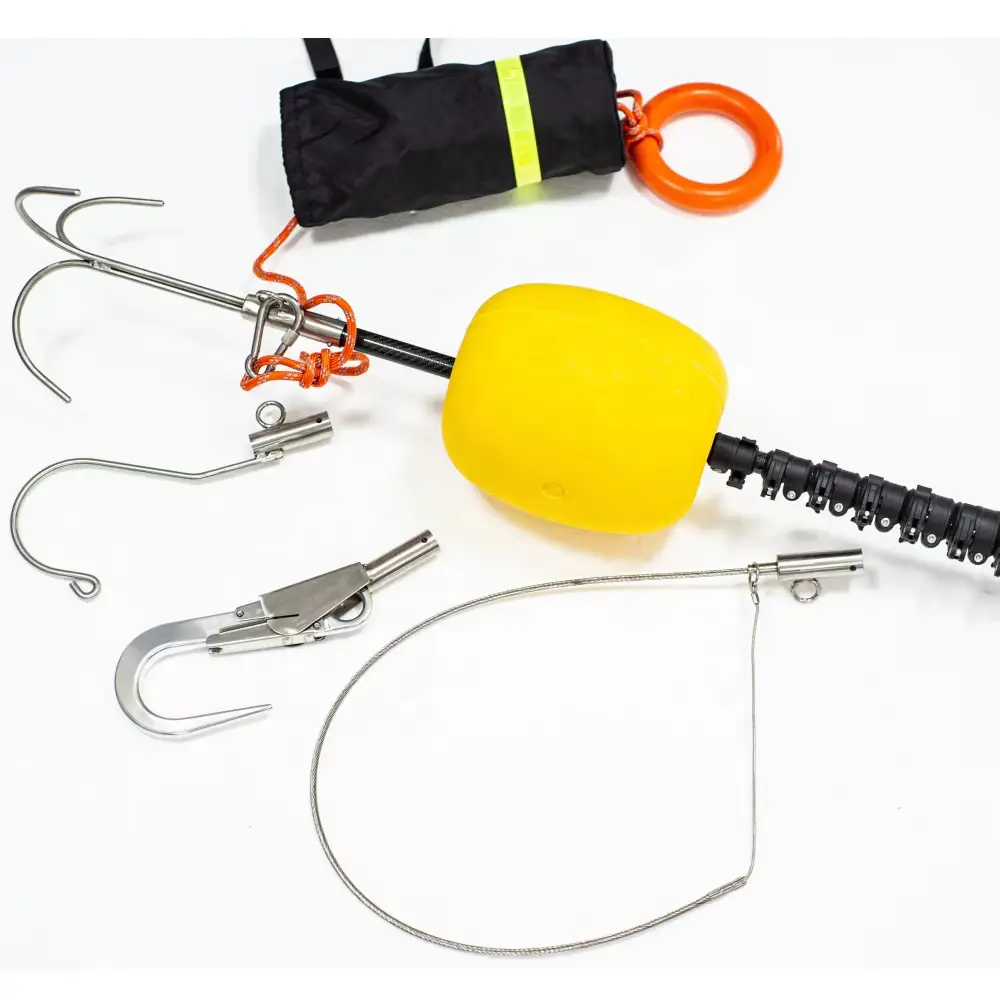
Suitable for deploying or retrieving ropes, flotation devices and equipment around boats and docks.
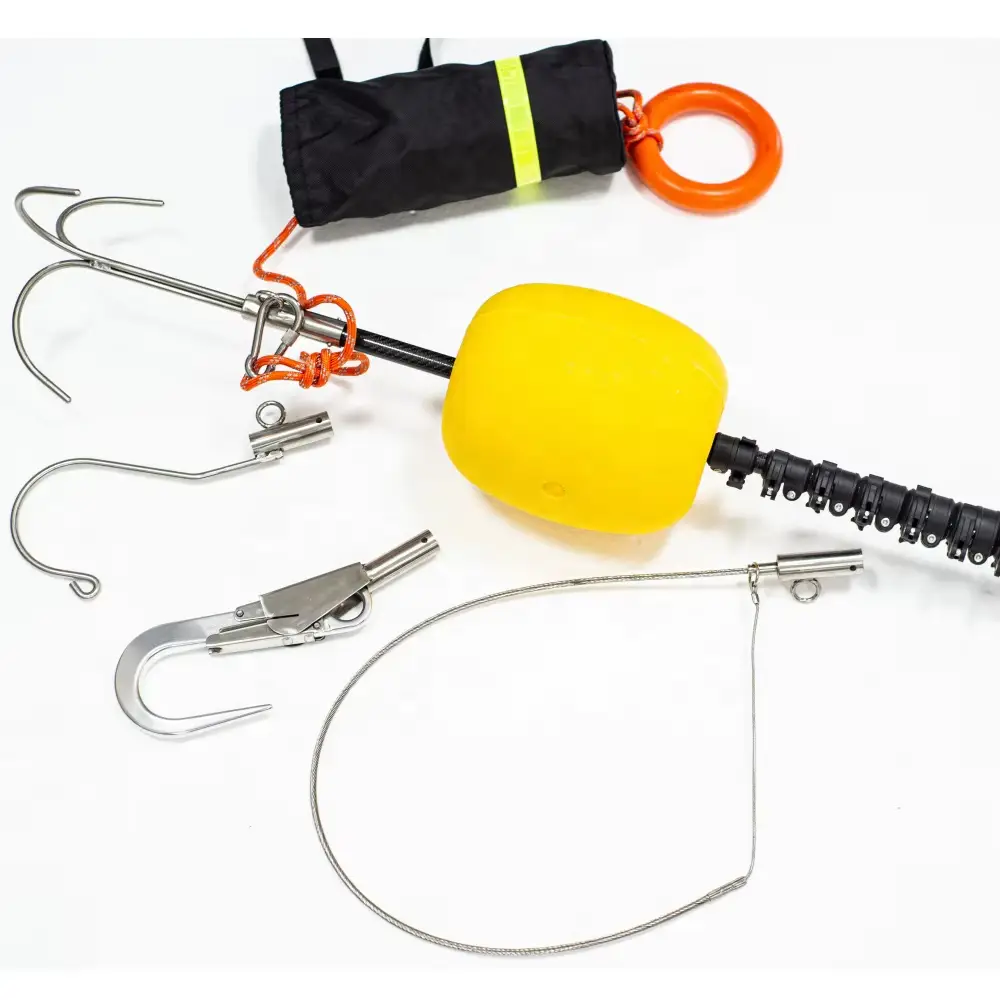
Helps rescuers extend hooks, ropes or flotation equipment while remaining farther from unstable ice.
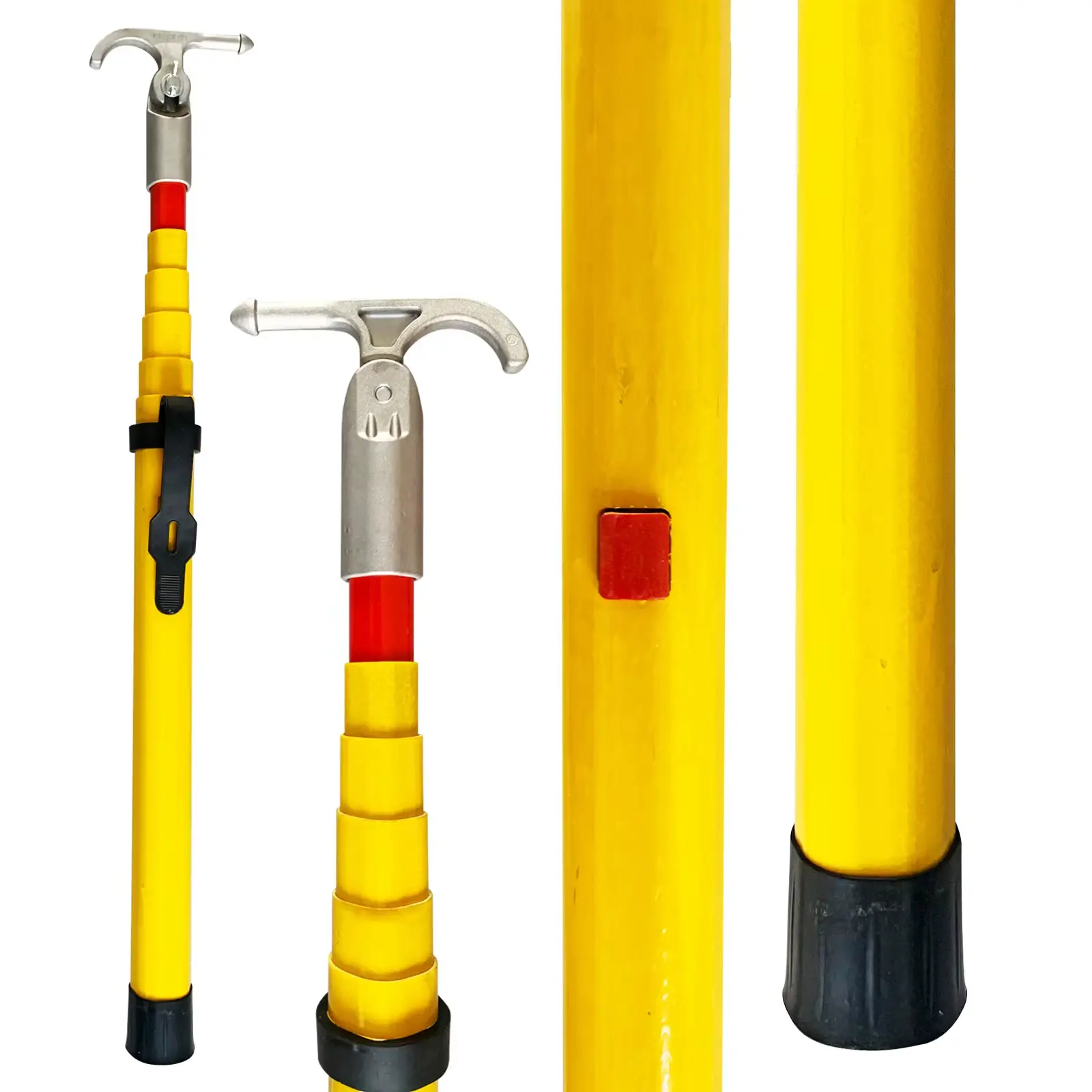
Allows workers to push, pull or reposition objects from a safer working distance.
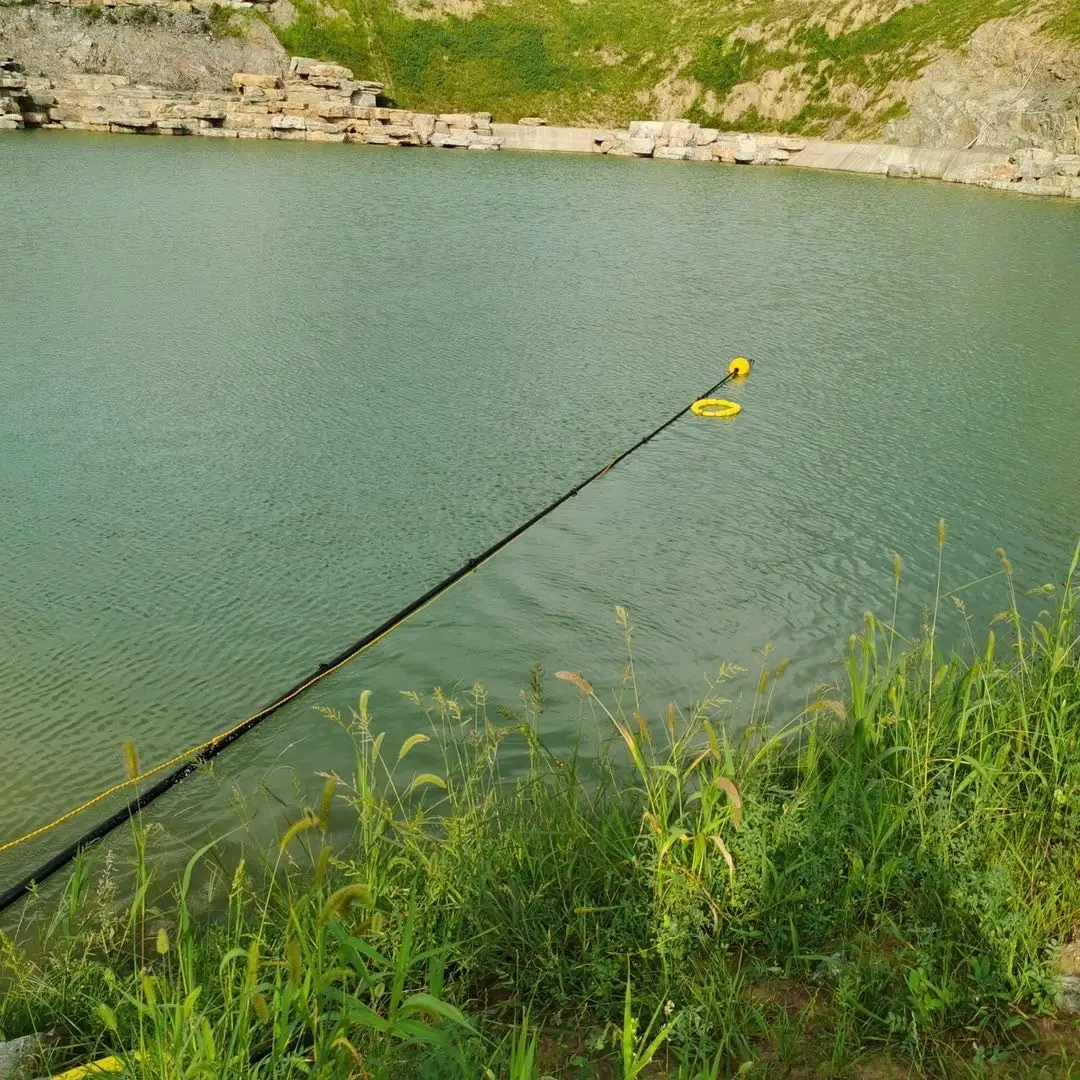
Used to retrieve ropes, tools and lightweight equipment from difficult-to-reach locations.
Every carbon fiber telescopic rescue pole is engineered around the required working length, load direction and operating environment.
| Specification | Custom Options |
|---|---|
| Pole type | Telescopic, modular or fixed-length |
| Extended length | 3 m, 6 m, 9 m, 13 m, 17 m or custom |
| Collapsed length | Customized according to section count |
| Tube material | Carbon fiber composite |
| Fiber structure | Unidirectional, woven carbon or hybrid layup |
| Tube shape | Round or customized profile |
| Section quantity | Based on extended and transport length |
| Locking system | Cam lock, lever clamp, twist lock or locking pin |
| Surface finish | Matte, glossy, ground or textured grip |
| Working head | Rescue hook, body hook, push-pull head, grabber or adapter |
| Connection interface | Threaded, pinned, bonded or quick-change |
| Handle | Foam grip, rubber grip or textured carbon surface |
| Branding | Printed logo, label, custom color or packaging |
| Accessories | Carrying bag, protective caps and replacement sections |
The lengths listed above are possible customization references rather than fixed standard models. Final tube diameters, section count and extended length must be confirmed after evaluating stiffness, deflection and the intended working attachment.
The working head determines how the rescue pole interacts with a person, object or piece of equipment.
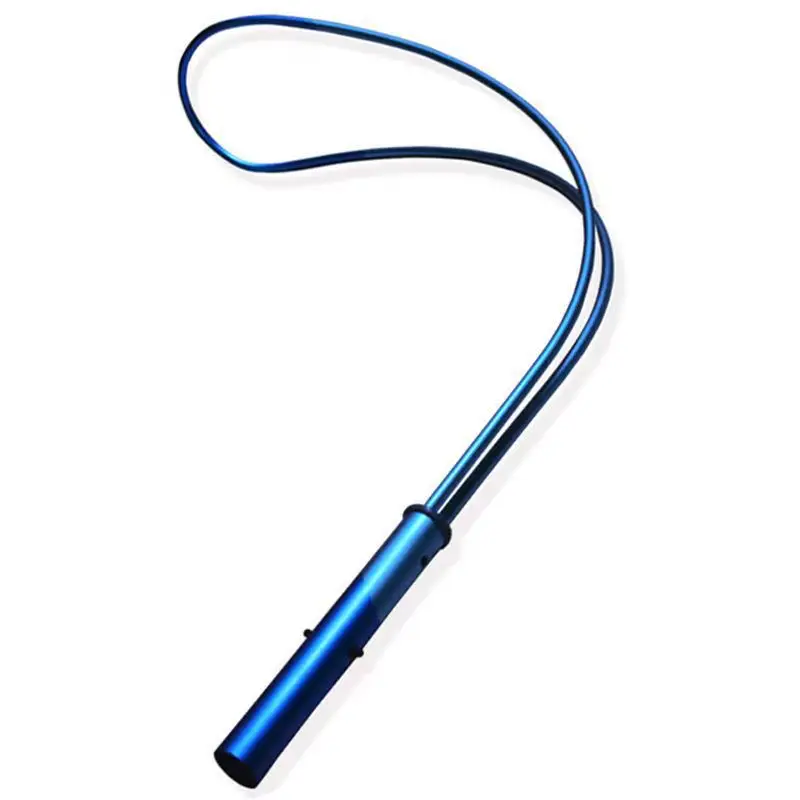
Curved hooks can be designed for reaching, guiding or retrieving equipment. The hook dimensions, material, protective coating and connection method can be customized.
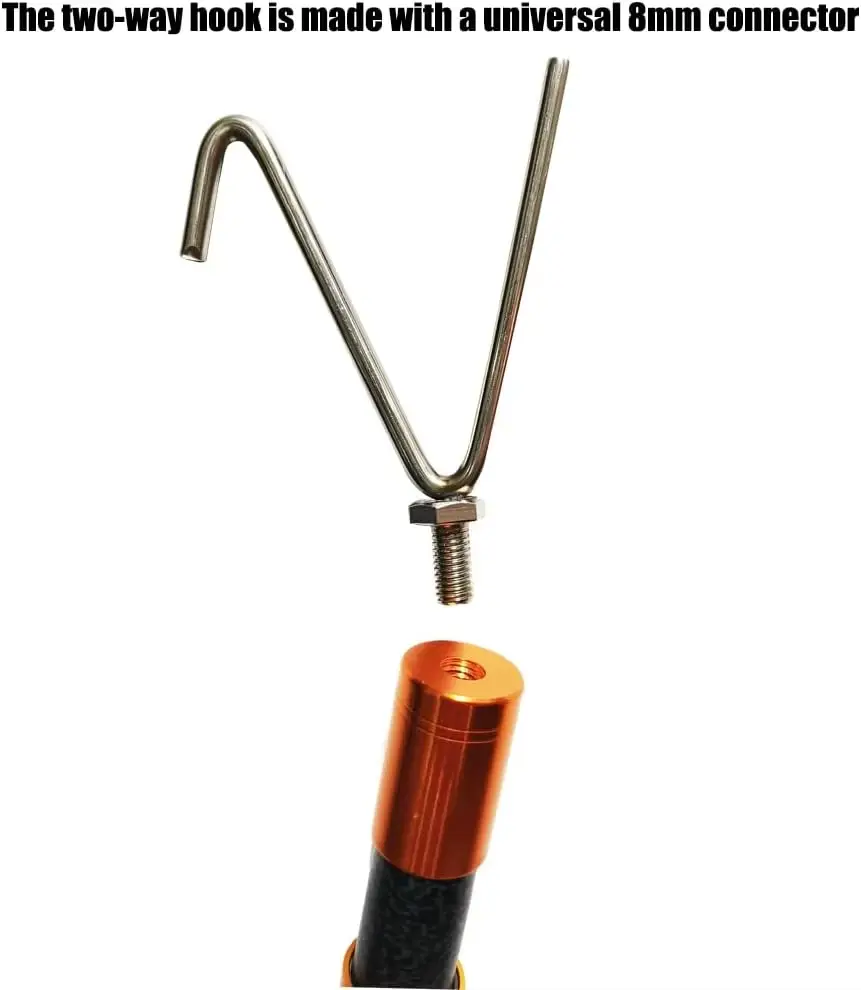
A combined push-pull attachment allows the operator to push an object from one side and pull it from another. It is suitable for industrial handling and no-touch safety applications.
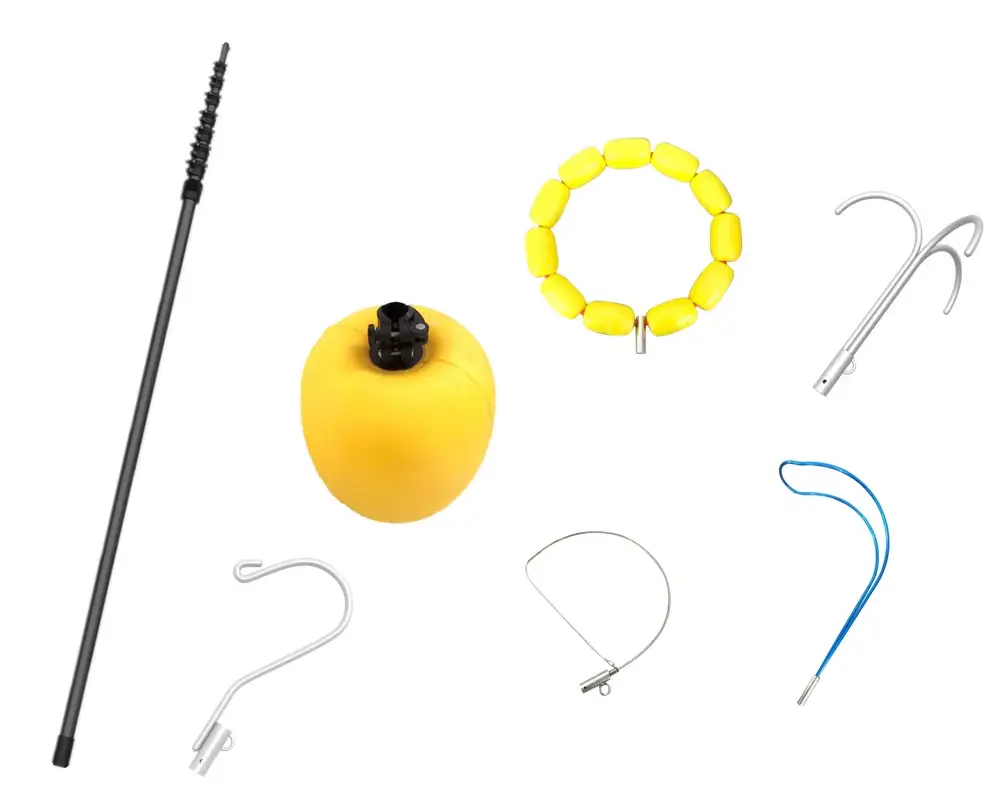
A grabber, loop, clamp or retrieval head can be developed for picking up ropes, lightweight equipment and difficult-to-reach objects.
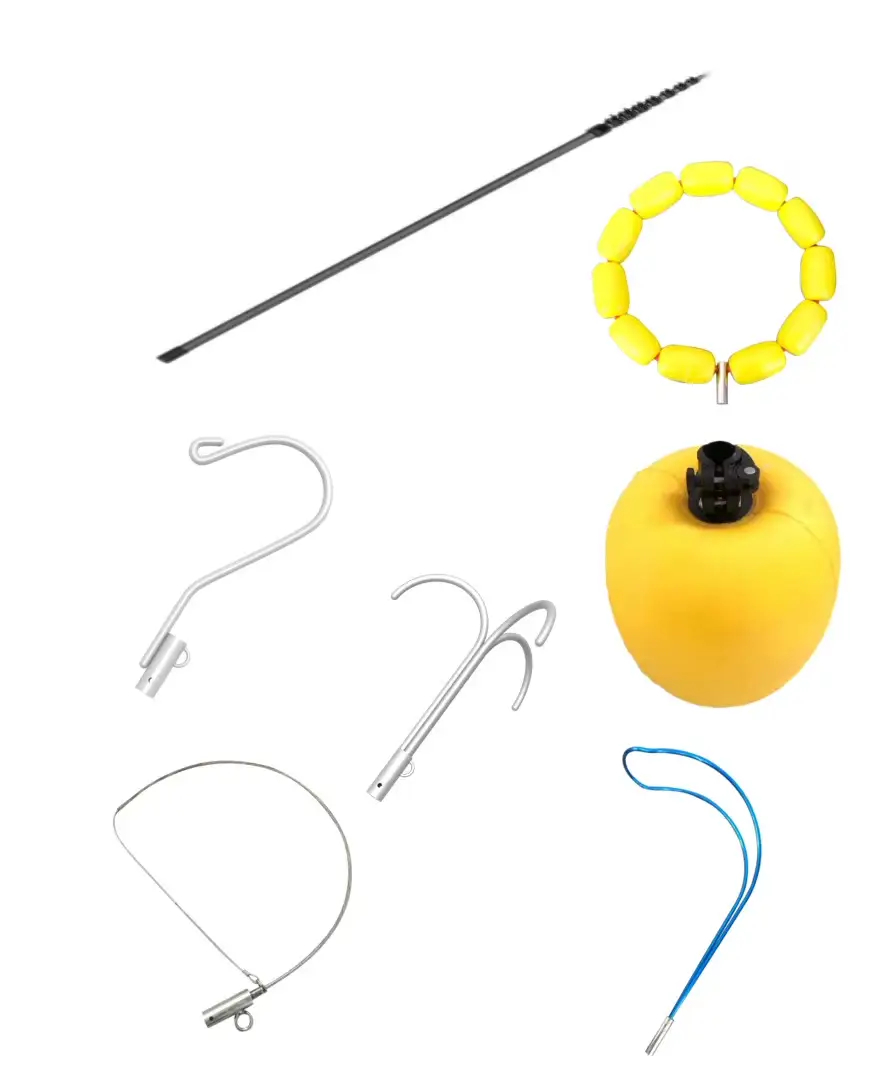
Threaded or pinned adapters allow different rescue heads to be installed on the same pole. Replaceable attachments can make the pole system suitable for more than one operating task.
Carbon fiber combines low weight, high stiffness and corrosion resistance, making it suitable for long-reach rescue and retrieval equipment.
Carbon fiber helps reduce the overall weight of the rescue pole, making it easier to lift, extend and control. This is especially useful during repeated or long-duration operations.
A properly designed carbon fiber layup provides good bending stiffness without making the pole excessively heavy. This helps maintain a more stable working end at longer extensions.
Lower weight and higher rigidity allow operators to position hooks, ropes and rescue attachments more accurately. The pole is also easier to adjust when fully extended.
The carbon fiber tube does not rust when exposed to water or humid environments. Suitable clamps, fasteners and inserts can also be selected for marine and outdoor use.
The locking system affects extension speed, section stability and ease of maintenance.
All Locking System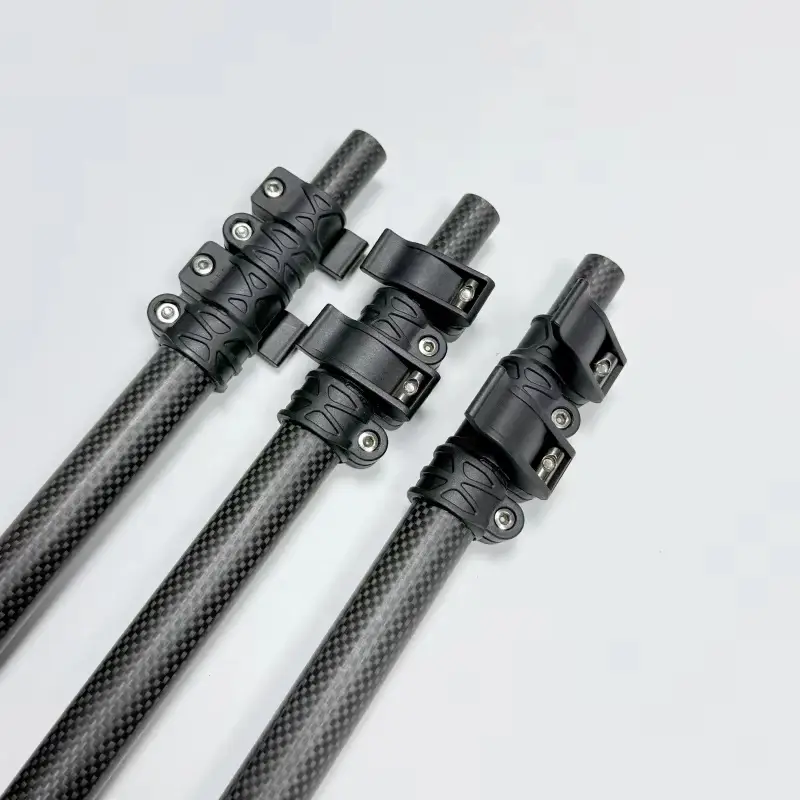
An external cam lock provides quick visual operation and can be opened or closed while wearing gloves. The clamping area of the carbon tube can be reinforced according to the required locking pressure.
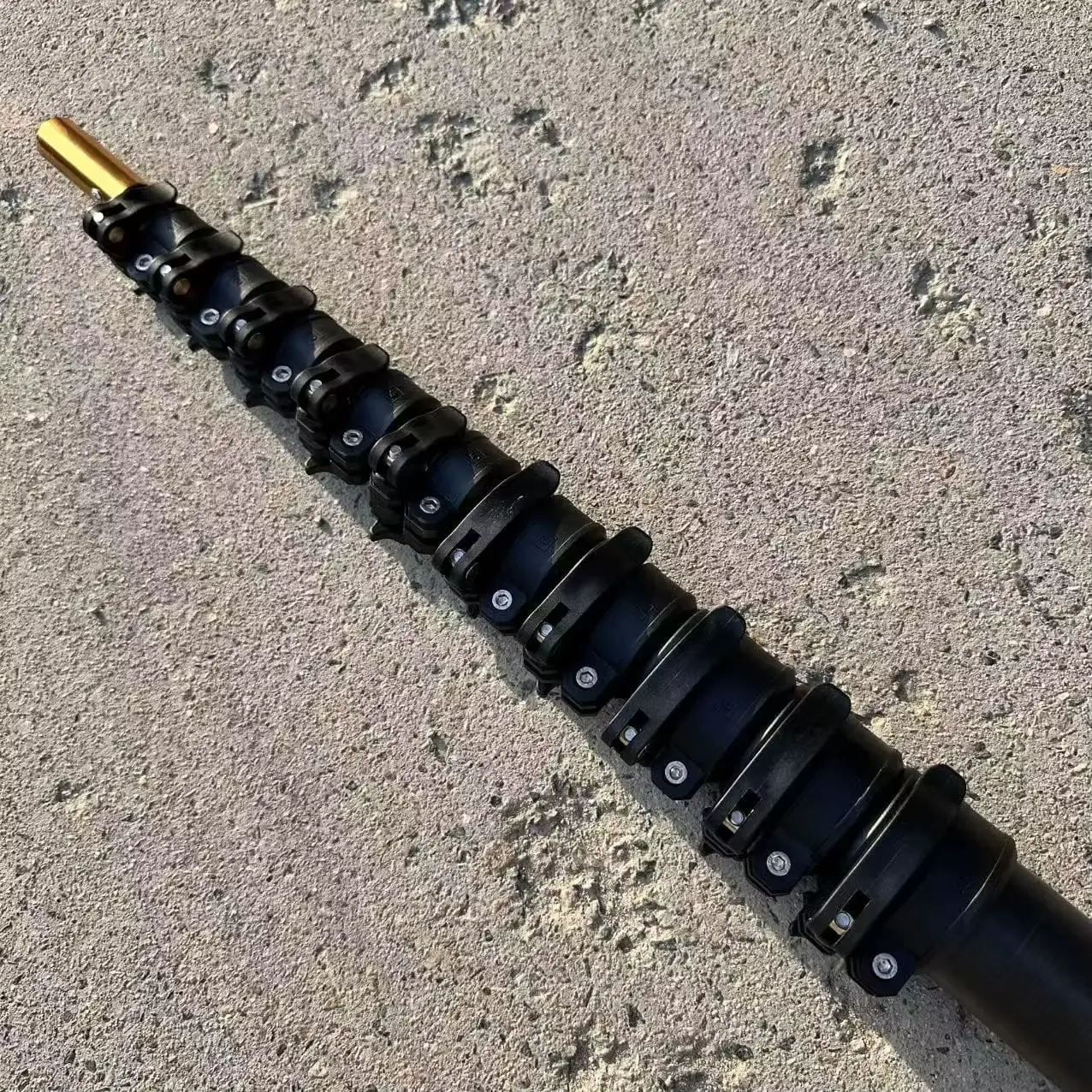
A lever clamp provides fast section adjustment and clear locking feedback. Clamp materials and dimensions can be customized for wet, outdoor or industrial environments.
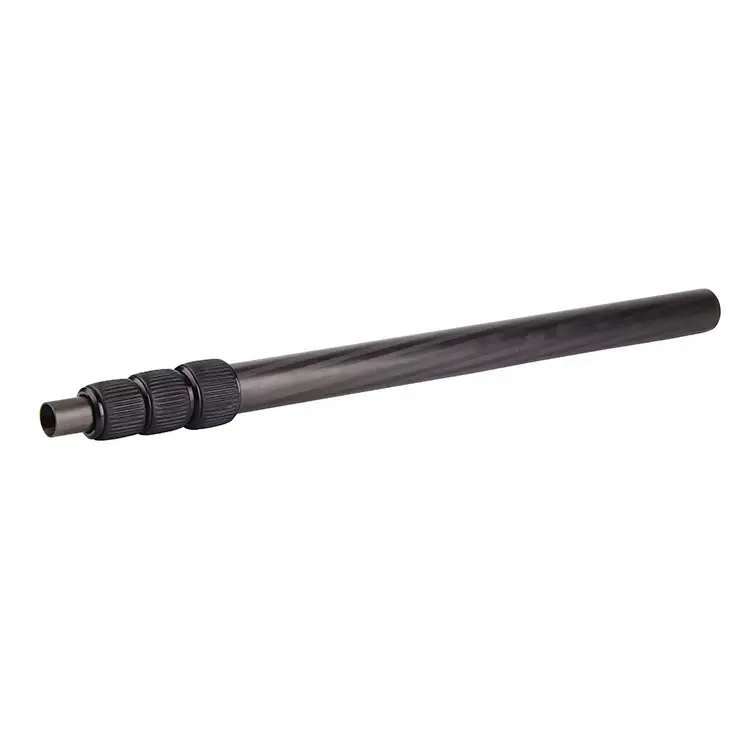
An internal or external twist-lock structure creates a cleaner pole profile and reduces external components. It is suitable when compact storage and smooth handling are priorities.
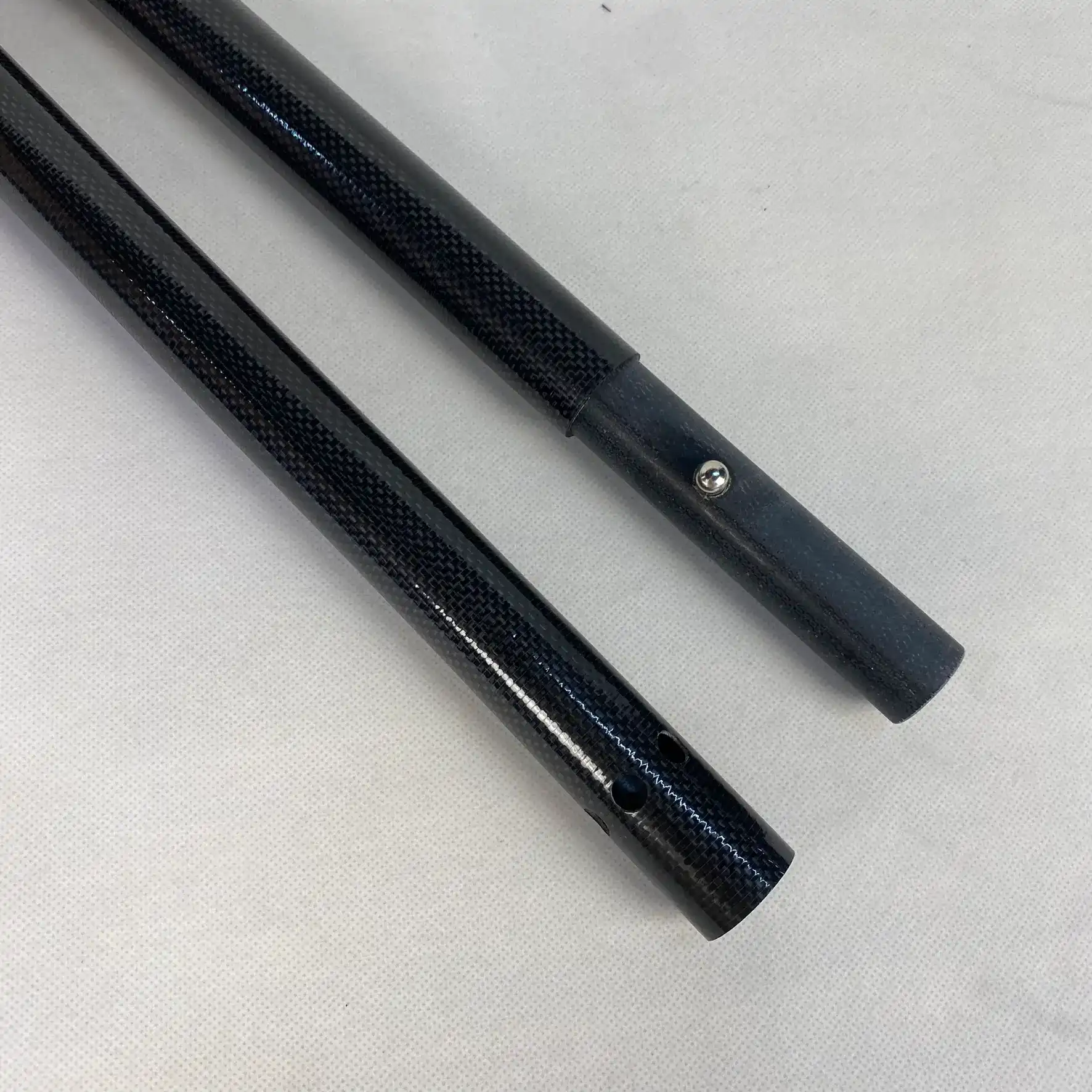
A locking-pin system provides fixed extension positions and positive mechanical engagement. Predetermined holes can be positioned according to the required working lengths.
A long rescue pole cannot be designed only by selecting an outside diameter and wall thickness.
Longitudinal carbon fibers provide bending stiffness, while angled and circumferential fibers help stabilize the tube, support locking areas and reduce splitting around connections. We adjust the proportion and orientation of these fibers according to the pole length, section diameter, attachment load and expected direction of force.
For telescopic structures, the clearance between sections must also be controlled carefully. Excessive clearance can cause movement and poor control, while insufficient clearance can make the pole difficult to extend after exposure to dust, moisture or temperature changes.
Guide bushings, reinforced clamping areas and suitable overlap lengths can be incorporated to improve telescopic movement and section stability.
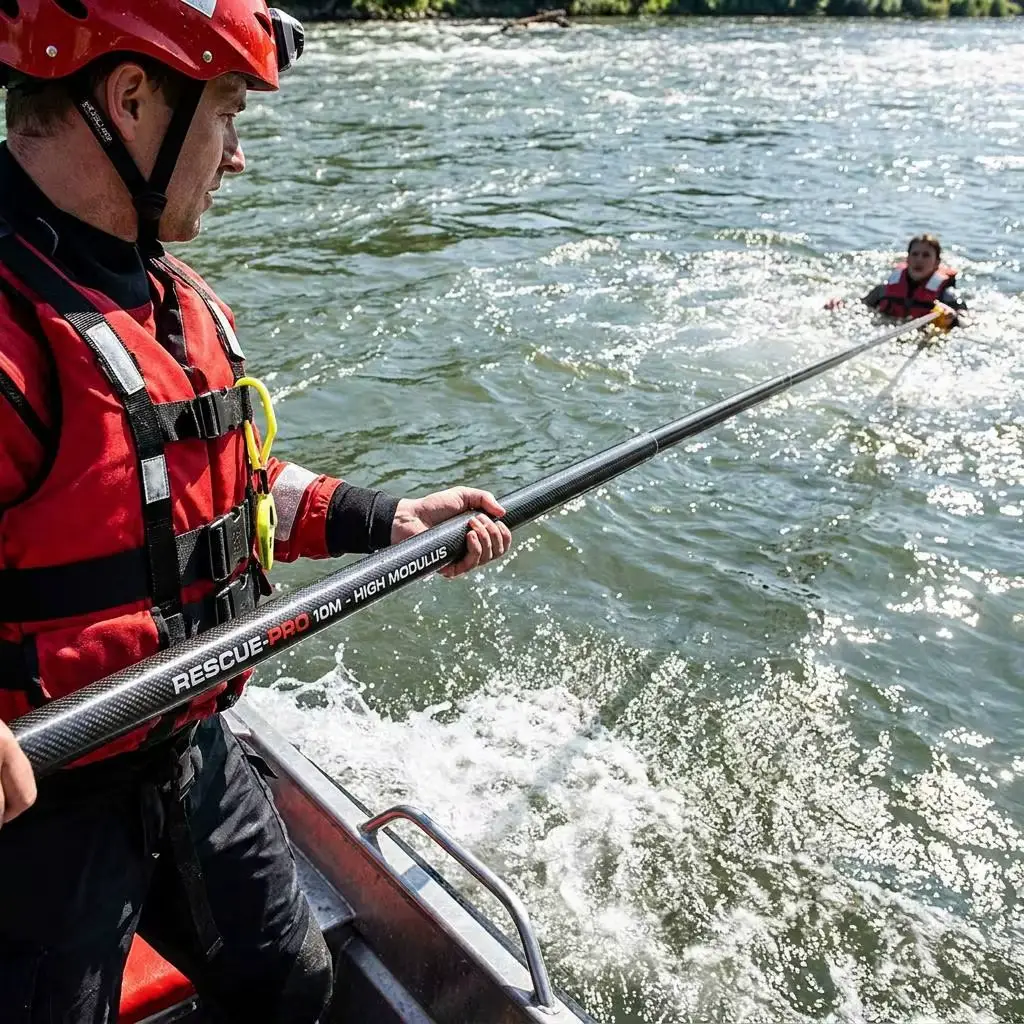
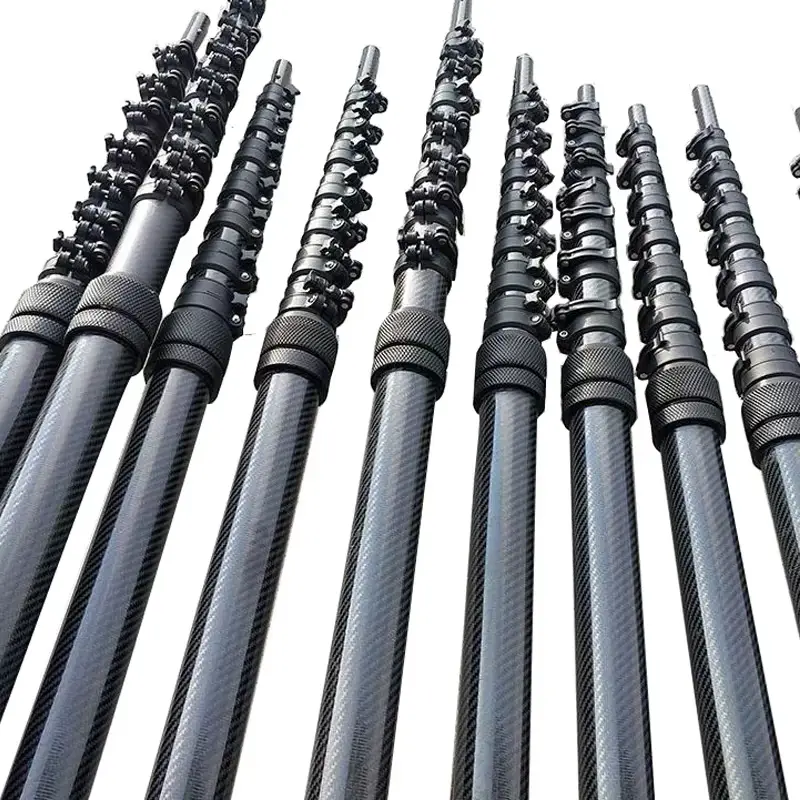
We support OEM and private-label rescue pole projects for safety equipment brands, distributors, marine suppliers, swimming pool equipment companies and industrial tool manufacturers.
The carbon fiber tubes, locking clamps, handles, attachments, logo and packaging can be supplied as a complete pole system. We can also manufacture carbon fiber pole sections for integration with the customer’s existing locks, rescue hooks or proprietary equipment.
Replacement sections and spare attachments can be produced according to the confirmed interface dimensions, helping brands provide ongoing maintenance support for their rescue pole systems.
This related project demonstrates our experience in long-reach carbon fiber pole design, telescopic joints and reinforced attachment interfaces.
A customer needed a lightweight telescopic push-pull pole for remotely moving and retrieving objects in an industrial working area. The main requirements were easier long-reach handling, stable force transfer and compatibility with a customized push-pull attachment.
The pole needed enough stiffness to transfer pushing and pulling force without excessive bending. The telescopic joints and locking areas also had to remain stable during repeated adjustment and operation.
We developed a multi-section carbon fiber pole with an optimized longitudinal and circumferential fiber layup. Reinforcement was added around the locking and attachment areas, while a custom end interface was designed for the customer’s push-pull head.
The prototype was checked for telescopic movement, lock stability, section clearance, attachment fit and push-pull performance. The working end was also evaluated at full extension to identify excessive deflection or movement.
The carbon fiber structure reduced the handling weight while providing better long-reach control than a heavier metal pole design. The modular attachment interface also allowed the customer to replace or adapt the working head for different industrial tasks.
Each material offers different advantages in weight, stiffness, cost and electrical safety.
| Comparison | Carbon Fiber Rescue Pole | Aluminum Rescue Pole | Fiberglass Rescue Pole |
|---|---|---|---|
| Weight | Lightweight, ideal for long-reach poles | Heavier as length increases | Usually heavier than carbon fiber |
| Stiffness | High stiffness with less bending | Good stiffness at shorter lengths | More flexible at full extension |
| Long-Reach Control | Easier to lift and position accurately | Harder to control at longer reach | Deflection may reduce accuracy |
| Telescopic Design | Ideal for multi-section telescopic poles | Common and cost-effective | Requires thicker pole sections |
| Water Rescue Use | Suitable for pools, rivers and marine use | Suitable with corrosion protection | Good moisture resistance |
| Push-Pull Performance | Transfers force with less bending | Suitable for general push-pull tasks | Flexibility reduces force control |
| Corrosion Resistance | Carbon tube does not rust | May oxidize in harsh environments | Good corrosion resistance |
| Electrical Safety | Conductive and not insulated | Conductive and not insulated | Can be designed for insulation |
| Customization | Layup, diameter and wall thickness can be customized | Mainly customized by alloy and dimensions | Layup and wall thickness can be adjusted |
| Cost | Higher cost for better weight and stiffness | Lower initial cost | Moderate cost |
| Best Application | Long-reach telescopic and water rescue poles | Short- or medium-length rescue poles | Insulated electrical rescue poles |
Choose carbon fiber for lightweight, long-reach rescue poles with better stiffness and control. Choose aluminum for shorter, cost-sensitive poles, and fiberglass when electrical insulation is required.
A carbon fiber rescue pole is a lightweight fixed, modular or telescopic pole used to extend a rescue hook, retrieval tool, flotation device or other attachment toward a distant location.
A reach pole is a general term for a long pole used to access distant objects. A rescue pole is designed around safety or emergency applications and normally includes a rescue-specific hook, adapter or deployment attachment.
The required length depends on the application. Common search requirements include 3 m, 12 ft, 9 m and longer telescopic rescue poles, while specialized rescue reach poles may extend to 13 m or 17 m. Longer poles require careful control of diameter, section overlap, stiffness and end weight.
Yes. The pole can be fitted with a push-pull head for remote object handling. Tube dimensions and reinforcement should be selected according to the required pushing and pulling forces.
Yes. The collapsed length can be adjusted by changing the number of telescopic sections, individual section lengths and overlap dimensions. Increasing the number of sections may make the pole more compact but can also affect weight, stiffness and cost.
A 17 m configuration can be evaluated, but the final feasibility depends on the attachment weight, acceptable deflection, collapsed length and operating method. A very long pole may require larger base sections and a highly optimized carbon fiber layup.
Yes. The carbon fiber tube can be used in wet environments when the complete pole system, including clamps, fasteners, adhesives and attachments, is designed accordingly. The exact water rescue function should be confirmed during product development.
Yes. We can integrate a rescue hook, body hook, boat hook, push-pull head, grabber or customized attachment using a threaded, pinned, bonded or quick-change connection.
No. Standard carbon fiber is electrically conductive and should not be used as an insulated rescue pole around live electrical equipment. A properly engineered and tested fiberglass pole is more appropriate for electrical rescue applications.
Yes. Replacement carbon fiber sections, locking components, protective caps and end attachments can be produced according to the confirmed dimensions and interface design.
We provide a complete portfolio of composite products :