Why Customers Choose Us :
- Manufacturer-Direct Control
- Engineering Support
- Consistent Quality
- Reliable Lead Time
Robotics and automation systems often fail performance targets due to mass, vibration, and deflection—especially on long-reach arms, high-speed pick-and-place, and precision positioning.
Carbon fiber composites offer a practical path to reduce moving mass while maintaining structural rigidity, which helps improve cycle time, payload efficiency, and positional stability.
We supply application-specific composite components including carbon fiber robotic arm structures, carbon fiber delta robot arms, and custom carbon fiber robot parts—from prototypes to production.
Engineering considerations behind the selection of carbon fiber material for this application are summarized in our Carbon Fiber Material Guide.
Inquiry NowThe following carbon fiber product forms are commonly used in robot and automation structures, depending on load, stiffness, and motion requirements.
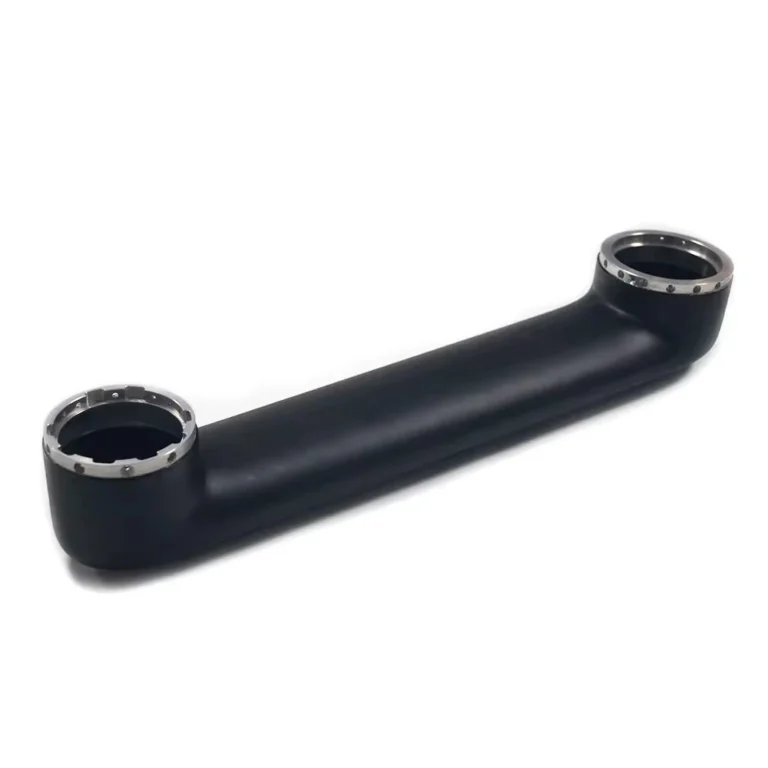
Carbon fiber robotic arms are used in industrial robotics and automation equipment to reduce moving mass and improve motion stability.
We supply carbon fiber robot arm structures including arm sections, arm links, and lightweight booms for robotic arm assemblies.
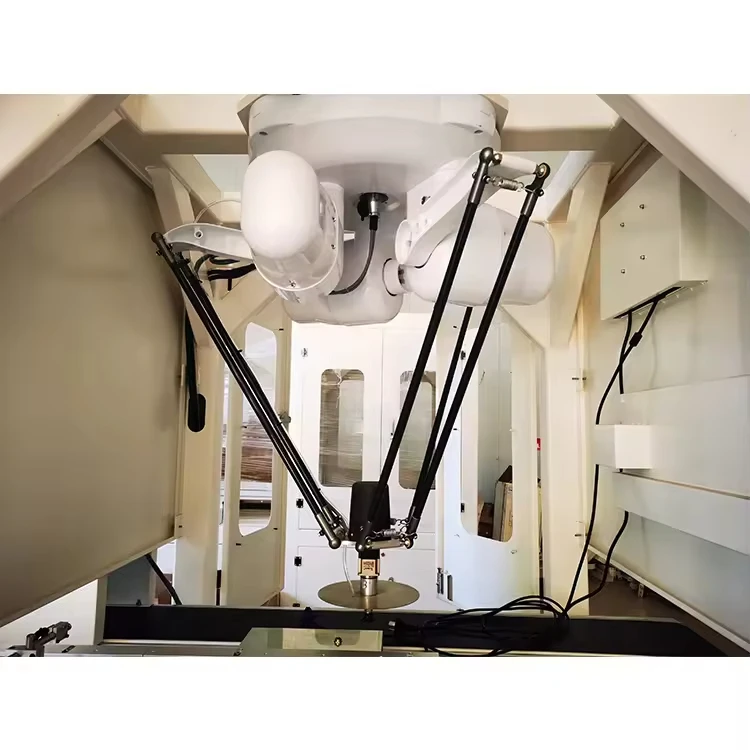
Carbon fiber delta robot arms are designed for high-speed pick-and-place automation systems.
These carbon fiber arms and connecting links support fast cycle times in delta robots and robotic automation lines.

Carbon fiber automation beams are structural components used in gantry systems and industrial automation equipment.
Automation equipment carbon fiber beams provide high stiffness with reduced deflection for robotic frames and long-span structures.
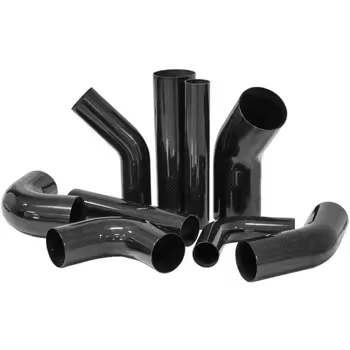
Custom carbon fiber robot parts are supplied for robotics automation projects requiring application-specific geometry.
These carbon fiber parts include structural frames, mounting components, and internal reinforcement members for robotic systems.
In robot and automation systems, carbon fiber component design is driven by stiffness, vibration control, weight distribution, and repeatability requirements.
| Design Variable | Why It Matters in Robotics & Automation | Typical Applications |
| Tube geometry (round / square / rectangular) | Determines bending stiffness, torsional resistance, and packaging efficiency | Carbon fiber robotic arm links, automation frames, gantry beams |
| Wall thickness & laminate layup | Controls deflection, vibration behavior, and load capacity | Long-reach robot arms, lightweight support structures |
| Fiber orientation | Optimizes axial stiffness or torsional rigidity depending on motion type | Carbon fiber delta robot arms, high-speed pick-and-place systems |
| Insert & interface design | Ensures reliable bolted or bonded connections without crushing | Robot joints, motor mounts, end-effector interfaces |
| Sheet laminate selection | Balances machinability, stiffness, and dimensional stability | Carbon fiber sheet for robotics parts, mounting plates, covers |
| Length & straightness control | Affects positioning accuracy and repeatability | Precision automation axes, sensor support structures |
Production-ready carbon fiber manufacturing tailored for robotic structures, motion systems, and automated equipment.
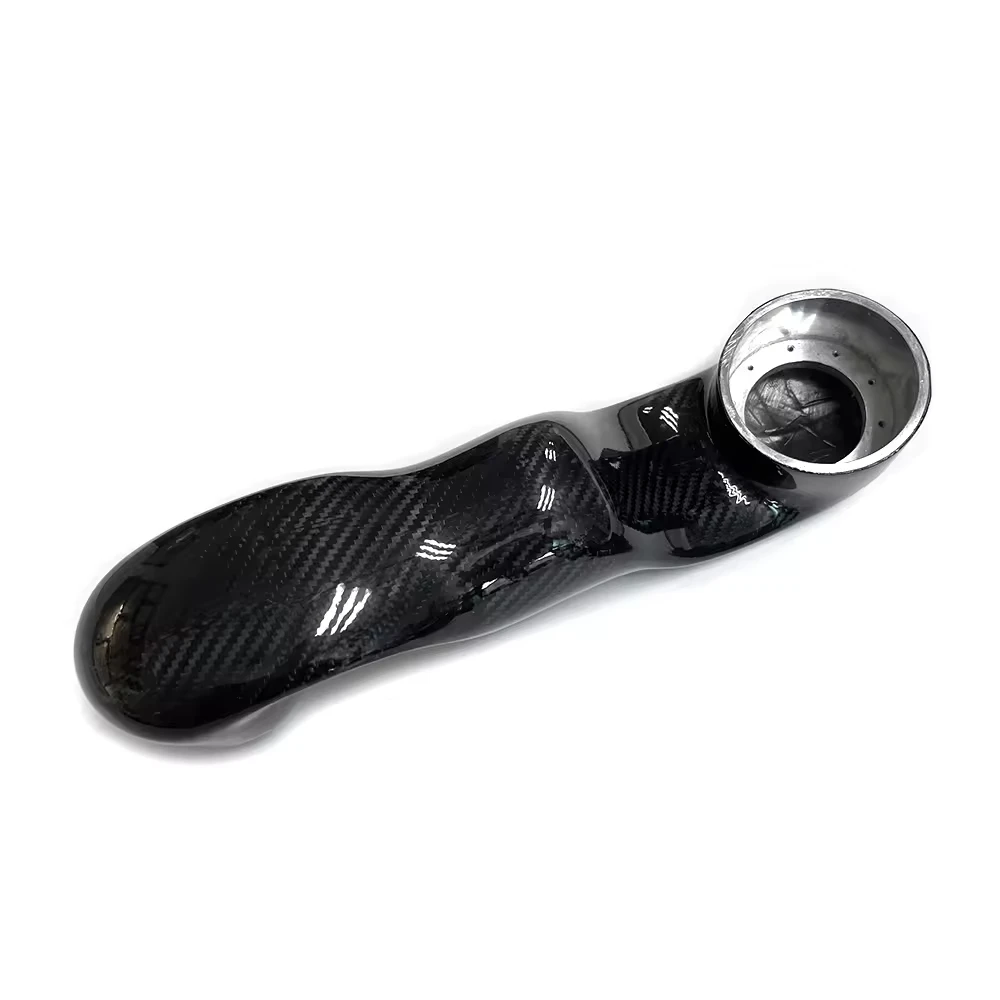
Carbon fiber tubes for robotics are widely used in robotic arms, gantry systems, and lightweight automation frames where high stiffness and low inertia are required.
We supply carbon fiber tube for robotics projects in round, square, and rectangular geometries, with controlled wall thickness and cut-to-length options for both prototyping and production.
→ Learn more about Carbon Fiber Tubes

Carbon fiber sheet for robotics is supplied as CNC-ready laminates for machining custom robot parts.
Sheets and plates are frequently used to produce carbon fiber robot parts such as mounting plates, brackets, covers, and structural panels in automated equipment.
→ Learn more about Carbon Fiber Seets & Plates
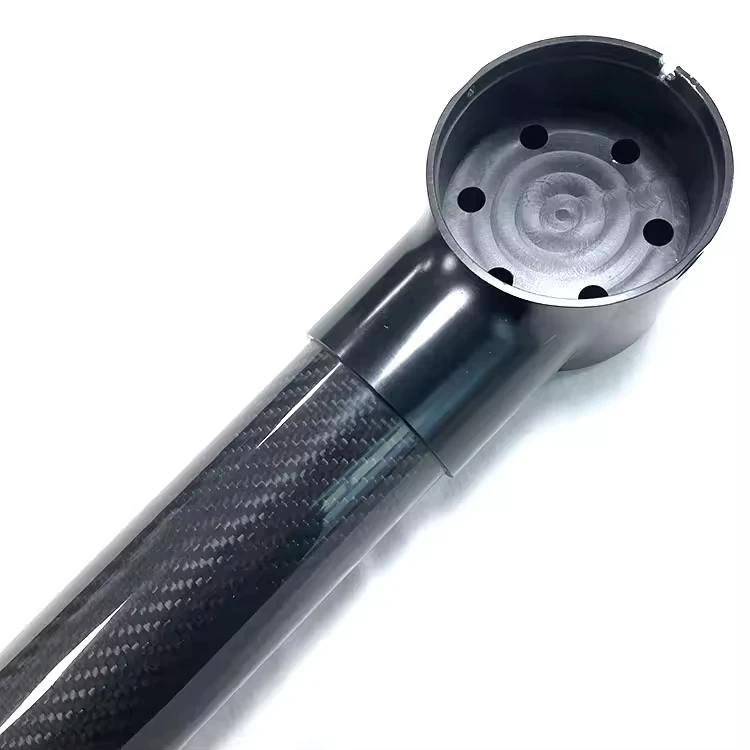
Carbon fiber rods provide axial stiffness and dimensional stability in compact robotic and automation components.
These rods are commonly integrated into robot assemblies as lightweight shafts, stiffeners, or structural supports where metal alternatives add unnecessary mass.
→ Learn more about Carbon Fiber Rods

We manufacture custom carbon fiber robot parts based on application-specific geometry and load requirements.
This includes bonded assemblies, machined plates, and composite profiles designed for robotic arms, delta robots, and automation systems.
→ Learn more about Parts & Profiles
In robotic and automation systems, material selection directly affects speed, positioning accuracy, vibration control, and long-term repeatability.
In robotic arms and delta robots, reducing moving mass is critical.
Carbon fiber structures significantly lower inertia compared to metal alternatives, helping robotic systems achieve faster acceleration and deceleration without increasing motor size.
Typical impact:
carbon fiber robotic arm · carbon fiber delta robot arms · high-speed pick-and-place systems
Carbon fiber offers a high stiffness-to-weight ratio, which helps limit deflection on long-reach arms and lightweight frames.
This improves repeatability and positional stability in automation systems where precision matters.
Typical impact:
robot arm links · automation beams · precision positioning structures
Robotic and automated equipment often operate at high cycle rates.
Carbon fiber structures help reduce vibration sensitivity, supporting smoother motion profiles and more stable end-effector control.
Typical impact:
robot motion systems · gantry automation · sensor-mounted structures
Carbon fiber can be supplied as tubes, sheets, plates, or bonded assemblies, allowing structures to be designed around the robot layout rather than constrained by standard metal profiles.
This flexibility supports compact designs and optimized load paths in robotic systems.
Typical impact:
custom carbon fiber robot parts · integrated frames · application-specific components
Unlike metals, carbon fiber composites do not corrode, making them suitable for factory environments with humidity, chemicals, or frequent cleaning cycles.
Typical impact:
industrial automation · inspection robots · enclosed production lines
Dimensional stability and repeatability are critical for robotic motion systems and automated equipment.
Robotic motion systems rely on stable geometry to maintain accuracy and repeatability.
For robotic arm links, automation beams, and other precision mounting structures, carbon fiber tubes and plates are controlled for length consistency, straightness, and interface alignment to reduce cumulative positioning error during operation.
In robotics and automation projects, consistency between parts is often more critical than extreme single-part performance.
Batch-controlled manufacturing helps ensure carbon fiber robot parts used in serial robot assemblies and automated production lines maintain uniform structural behavior across pilot builds and full production runs.
Robotic components frequently integrate motors, bearings, and metal fittings at structural interfaces.
For carbon fiber robotic arm joints, delta robot arm interfaces, and mounting brackets, insert locations, drilled features, and bonding areas are controlled to support reliable assembly and minimize fitment variation during installation.
Surface condition plays an important role in both assembly quality and long-term durability.
Carbon fiber components used in robotic structures and automation equipment are visually inspected to avoid surface defects that could interfere with bonding, fastening, or system integration.
Project Background
The customer is an industrial robotics and automation equipment manufacturer developing a lightweight robotic system for high-speed operation.
The project focused on replacing metal structures with carbon fiber robot arm components to improve motion performance and system efficiency.
Customer Requirements
Carbon Fiber Solution
We supplied custom carbon fiber robotic arm structures, including arm sections, arm links, and lightweight structural members.
The solution also included carbon fiber automation beams and custom carbon fiber robot parts manufactured for automated equipment assembly.
Carbon fiber tubes and plates were processed into robot parts suitable for industrial robotics and automation applications.
Results & Benefits
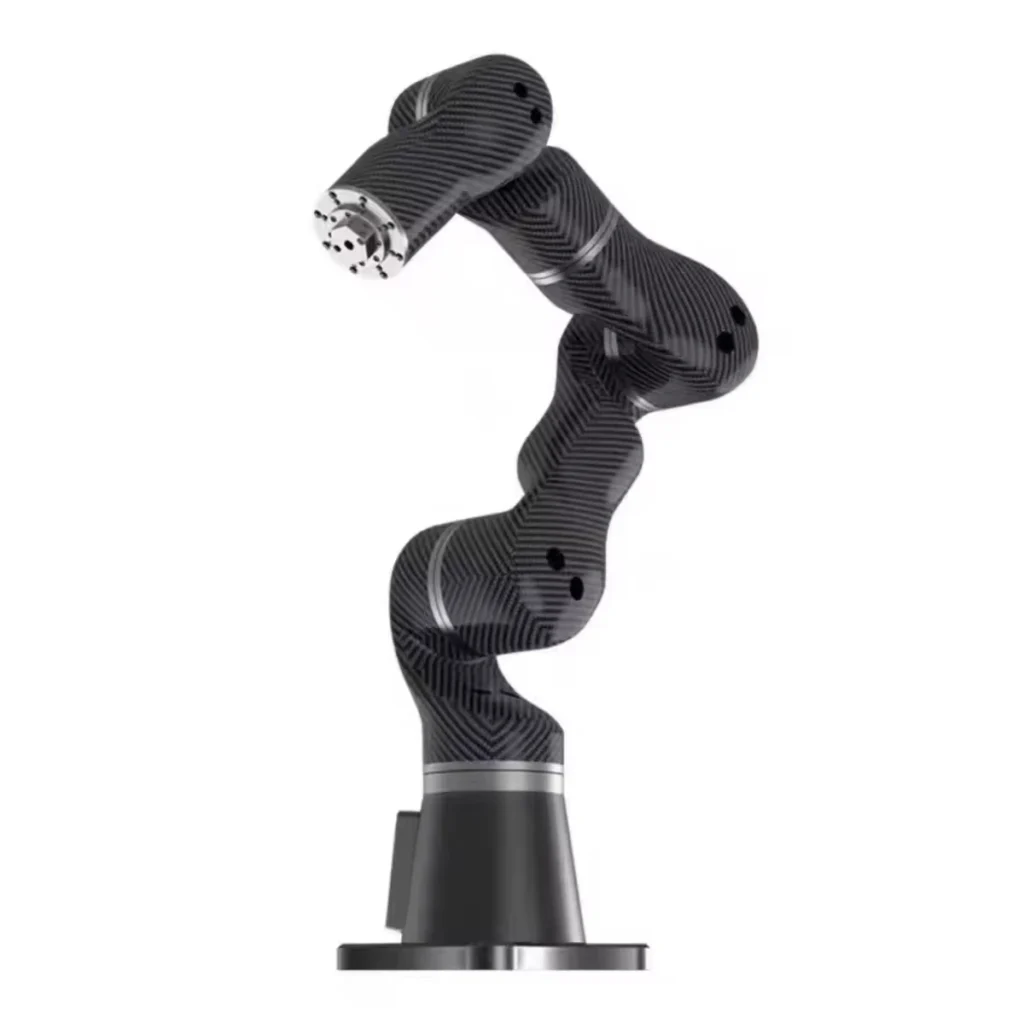
Carbon fiber robot parts are used in robotic arms, automation beams, and structural frames to reduce weight while maintaining stiffness in robotics and automation systems.
Yes. Carbon fiber robotic arms are widely used in industrial automation equipment to improve motion speed, reduce inertia, and support repeatable operation in robotic systems.
Carbon fiber delta robot arms help reduce moving mass in high-speed pick-and-place automation, allowing faster cycle times and stable motion in delta robot systems.
Yes ,In many automation applications, carbon fiber automation beams can replace metal beams by offering higher stiffness-to-weight performance and reduced deflection over long spans.
Yes. We supply custom carbon fiber robot parts based on drawings or specifications, including arm links, structural frames, mounting components, and automation equipment parts.
We are an OEM manufacturer and supplier of carbon fiber robotic components, supporting robotics and automation equipment projects from prototype to production.
Yes. Carbon fiber robot parts can be supplied in prototype quantities as well as batch production for robotics and automation manufacturers.
Carbon fiber is suitable for precision robotic structures due to its dimensional stability, stiffness-to-weight ratio, and resistance to corrosion in industrial environments.
We provide a complete portfolio of composite products for Robot & Automation applications: