Why Customers Choose Us :
- Manufacturer-Direct Control
- Engineering Support
- Consistent Quality
- Reliable Lead Time
Carbon arrows have become the preferred choice for modern archery due to their superior consistency, lightweight structure, and dimensional stability.
Compared to traditional aluminum arrows, carbon fiber arrows maintain straightness over long-term use and enable tighter manufacturing tolerances, resulting in improved accuracy and repeatability.
We manufacture carbon arrows for brands, distributors, and OEM customers who require dependable quality, batch-to-batch consistency, and flexible customization options.
These carbon arrow product types are defined by bow compatibility and structural performance requirements.
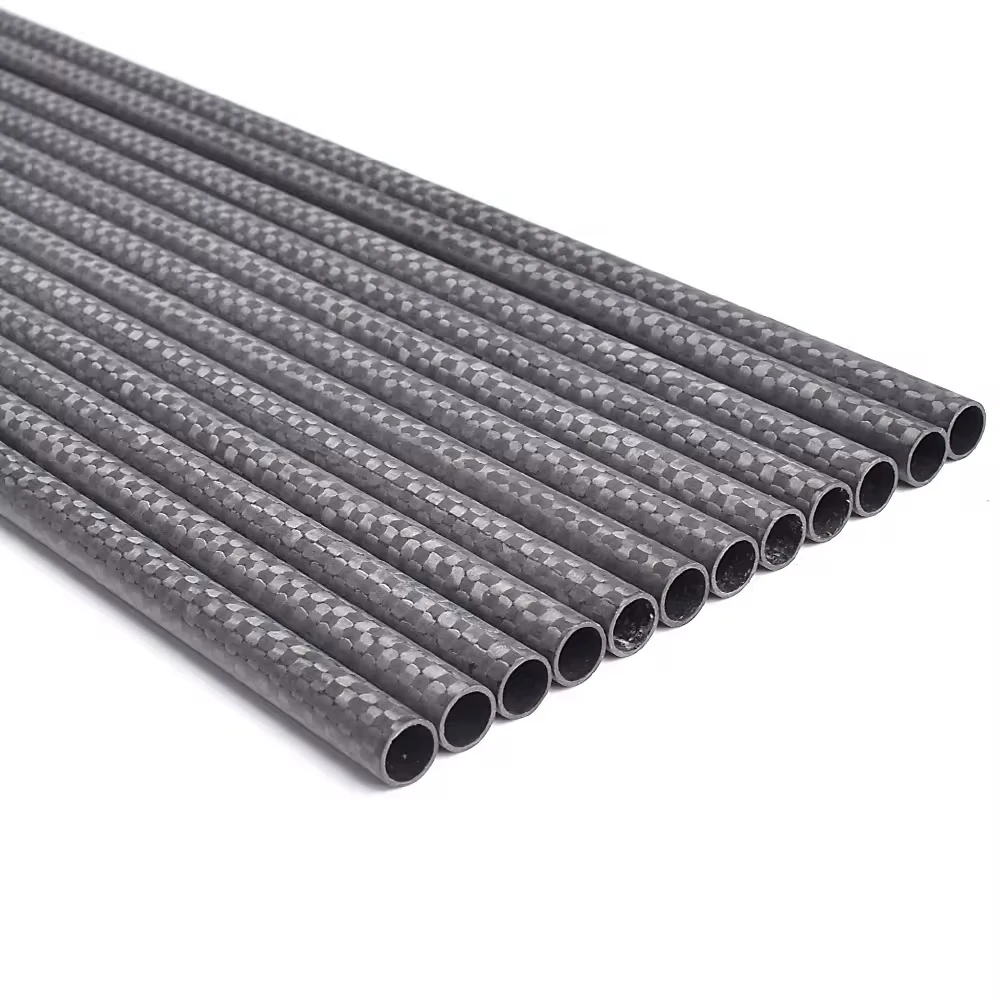
Engineered to match the higher draw weight and cam-driven release of compound bows.
These carbon arrows feature controlled spine behavior and consistent straightness to support stable arrow flight under higher energy output.
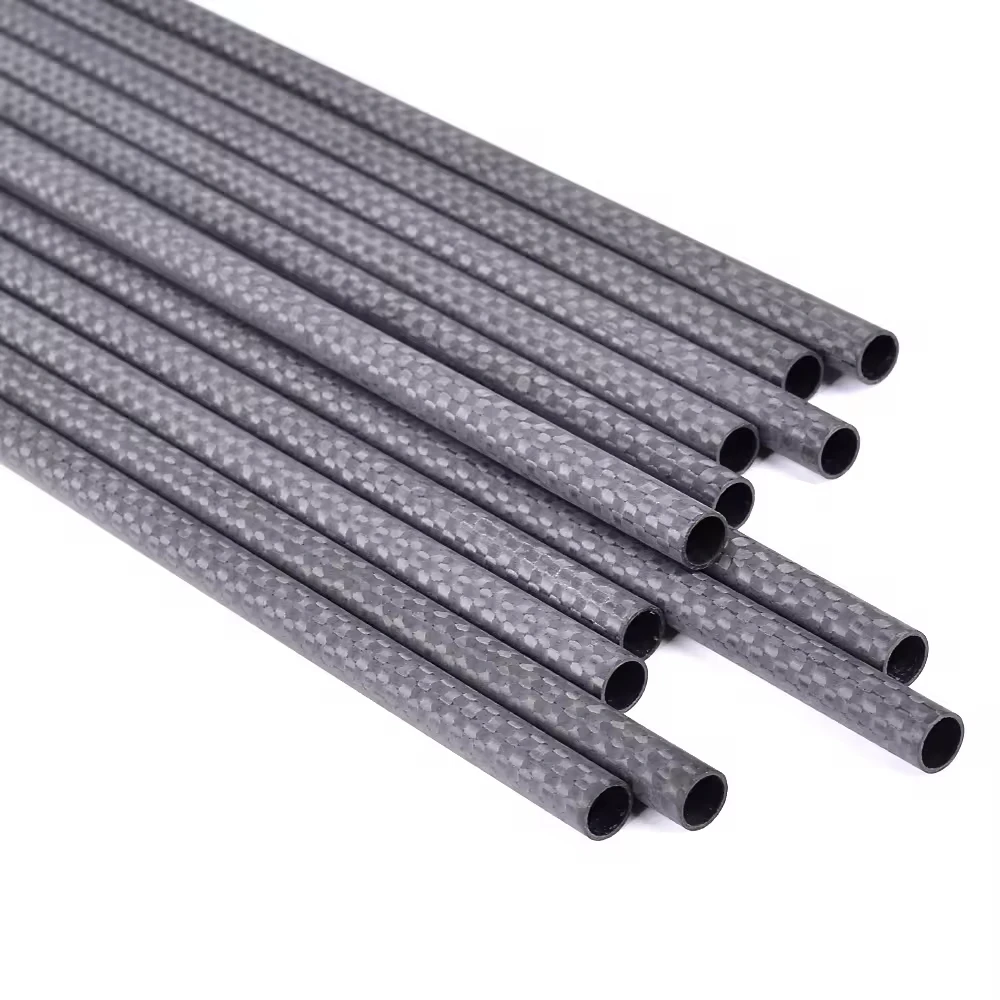
Designed for recurve bow systems that require balanced flex and predictable spine response.
This product type is suitable for archers seeking consistency across training and competition setups.
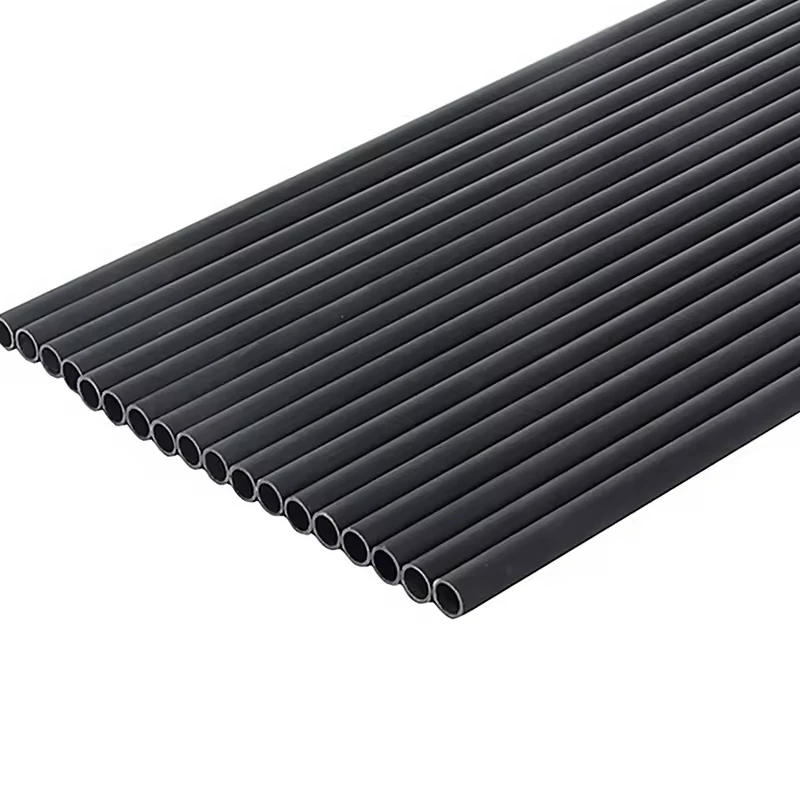
Built specifically for crossbow applications, where launch energy and impact forces are significantly higher.
Reinforced carbon structures help maintain durability and dimensional stability during repeated use.
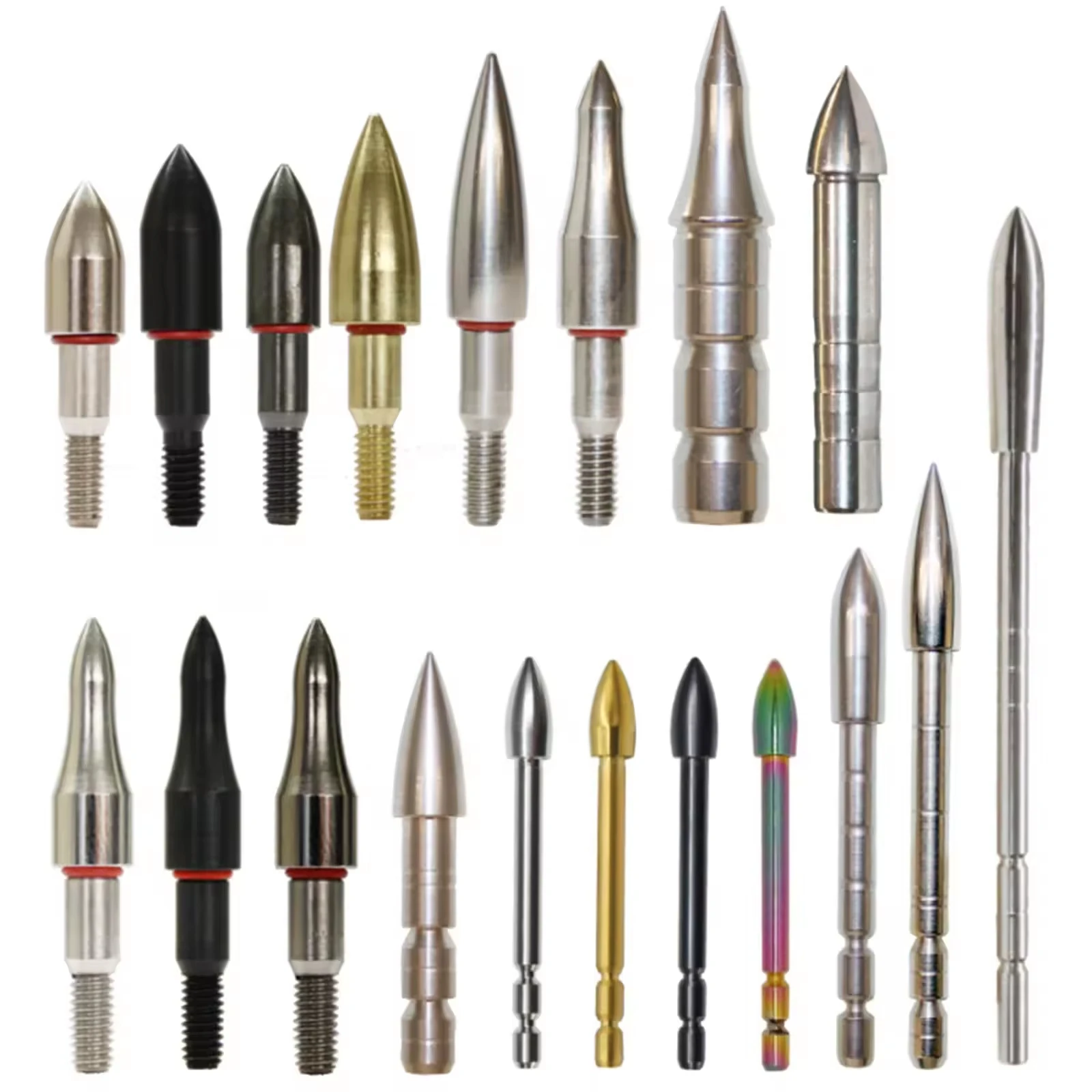
Carbon arrow inserts are supplied as compatible components to support proper weight distribution and secure tip installation.
Insert specifications can be matched to arrow spine, inner diameter, and application requirements.
These applications focus on how carbon arrows perform in different archery use scenarios.
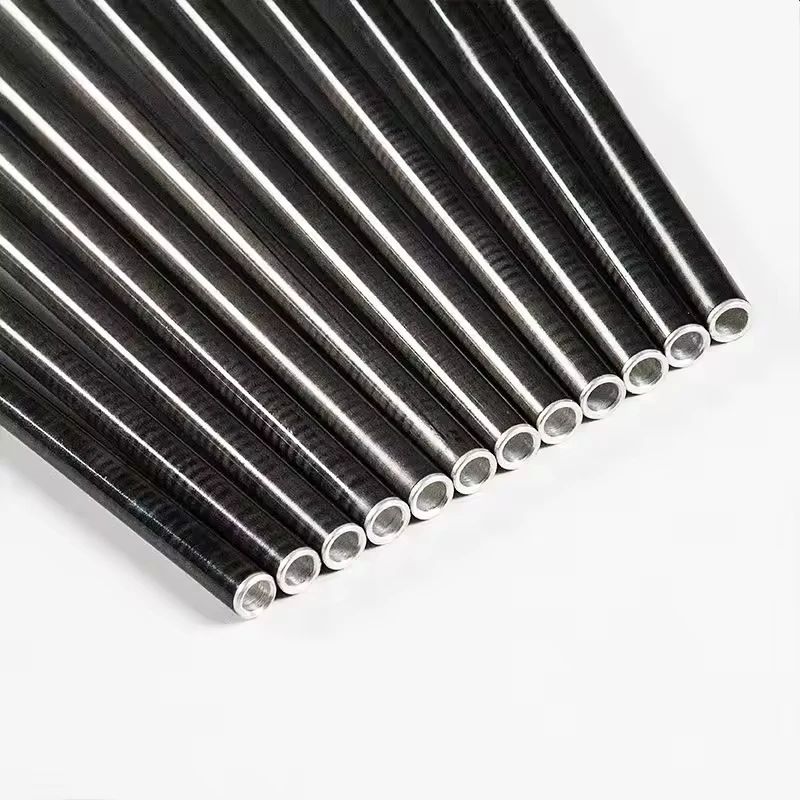
Hunting archery places high demands on arrow strength, impact resistance, and penetration efficiency.
Carbon hunting arrows are commonly selected due to their high stiffness-to-weight ratio and resistance to permanent deformation during field use.
Target shooting emphasizes repeatable arrow flight and consistent grouping performance.
Carbon arrows for target shooting are favored for their stable spine response and straightness retention over repeated shots.
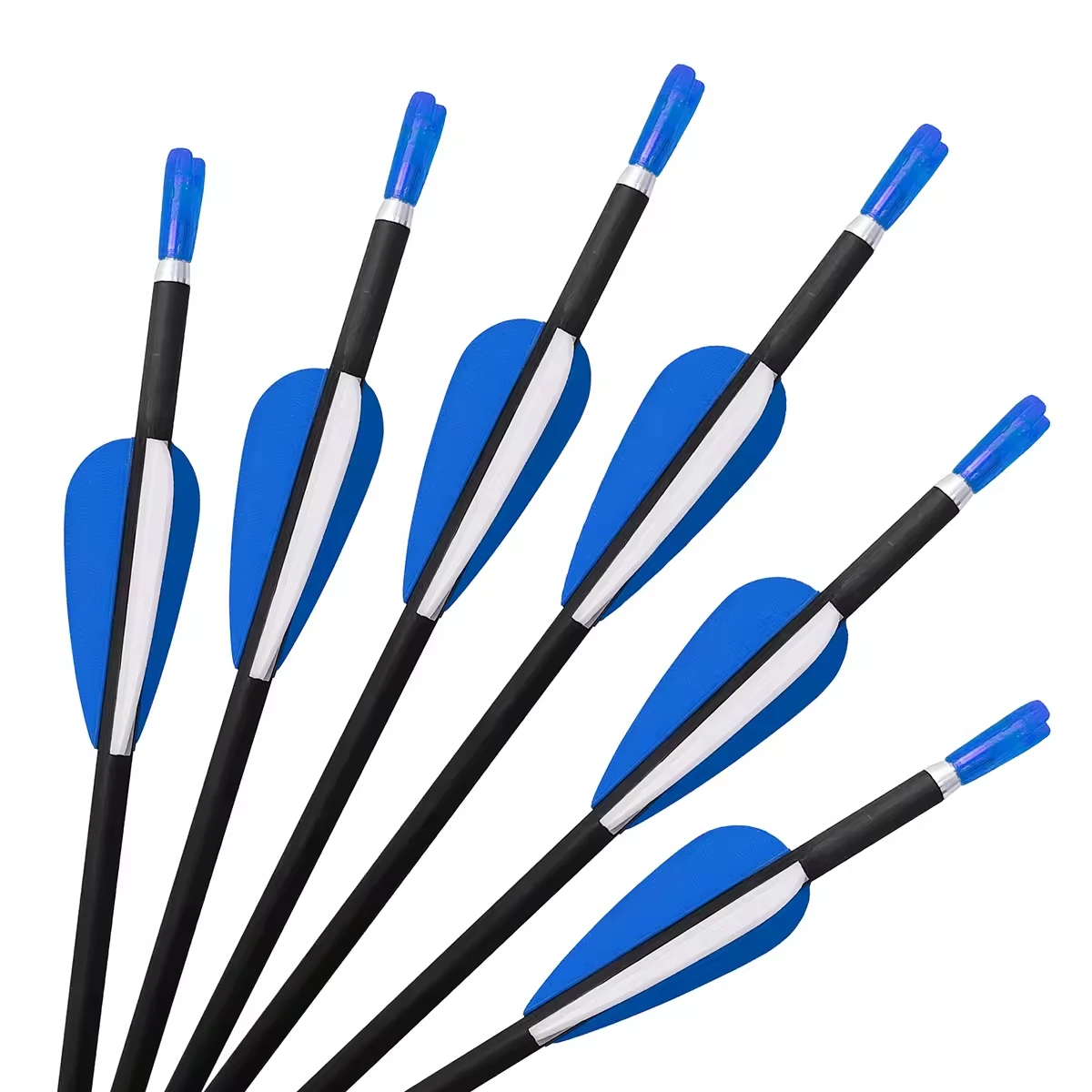
Selecting the right carbon arrow depends on several core specifications that influence stiffness, consistency, and flight stability.
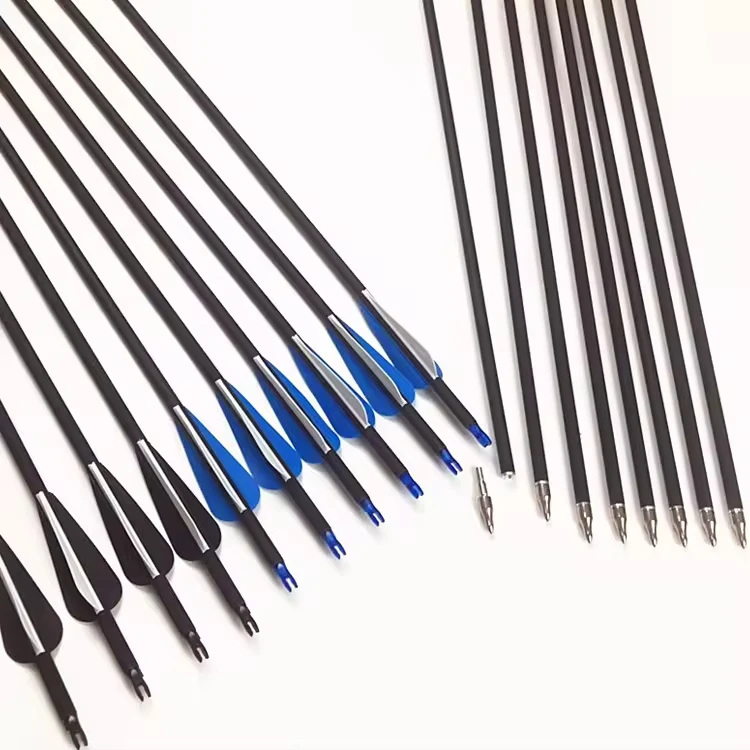
Arrow spine refers to the stiffness of a carbon arrow shaft and determines how the arrow flexes during release.
Proper spine selection helps maintain stable flight behavior and efficient energy transfer.
Spine requirements vary depending on bow setup and arrow length.
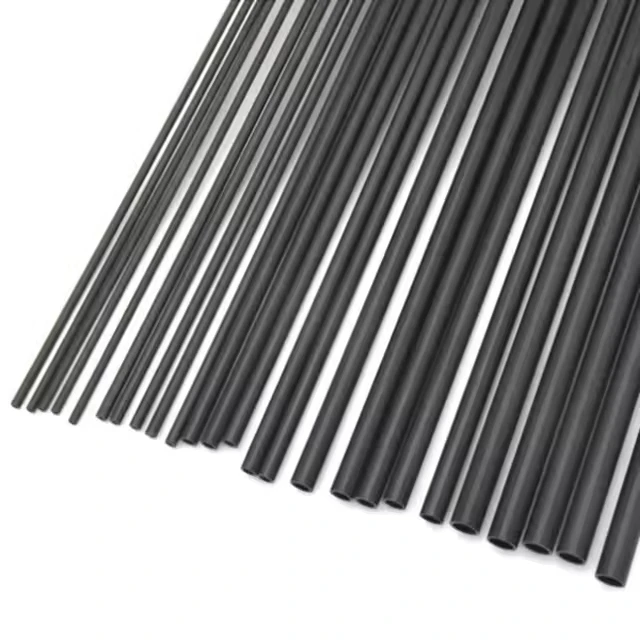
Straightness describes how straight a carbon arrow shaft is along its full length.
Tighter straightness tolerance contributes to improved grouping consistency, especially in matched arrow sets.
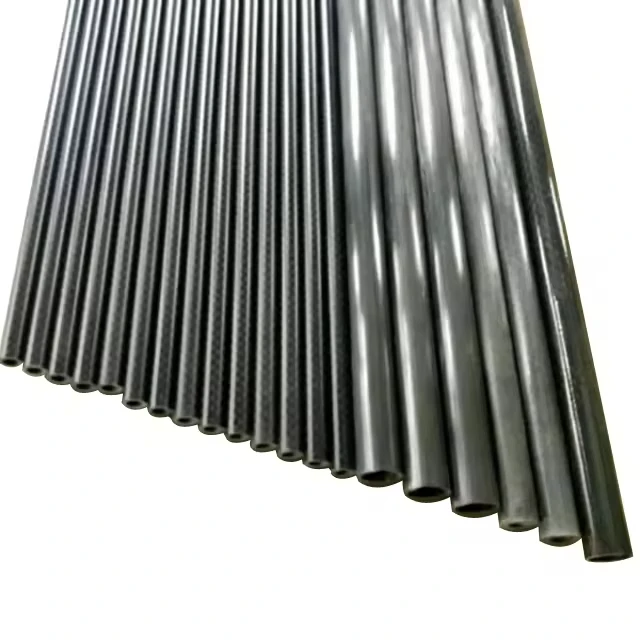
GPI (grains per inch) indicates the weight of a carbon arrow shaft per unit length.
Consistent GPI across arrows helps maintain uniform flight characteristics and predictable tuning behavior.
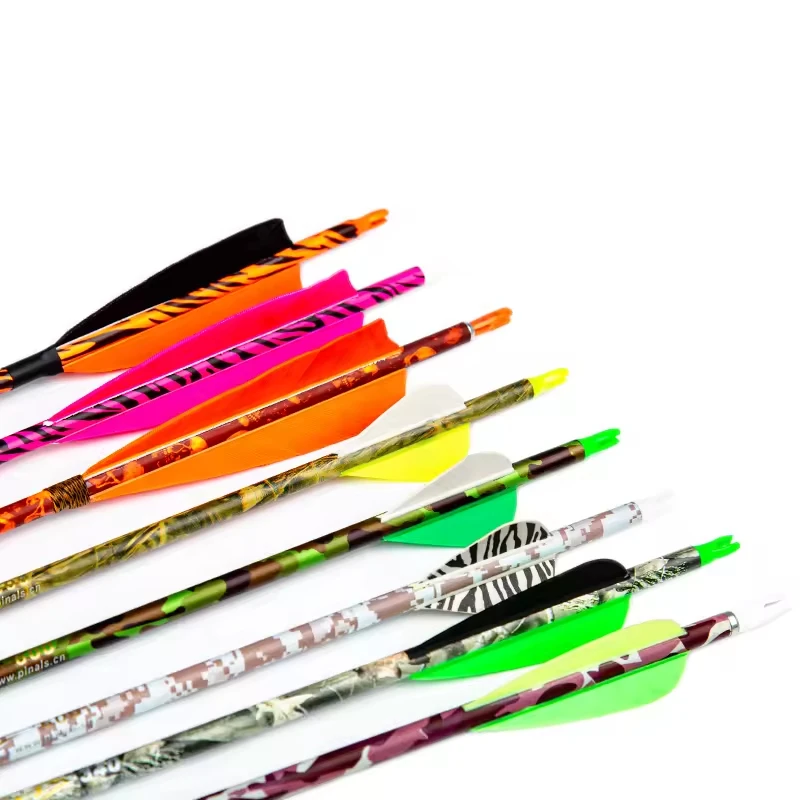
Carbon arrow length and dimensional consistency affect overall balance and compatibility with different setups.
Maintaining tight length tolerance is important for repeatable performance across arrow sets.
The specifications below represent our standard carbon arrow range.
Spine rating, straightness tolerance, arrow length, and weight can be customized for OEM and bulk orders.
| Inner Diameter (ID) | Spine Range | Arrow Length | Straightness |
| 4.2 mm | 250–1200 | 30–32 in | ±0.001 / ±0.003 / ±0.006 |
| 5.2 mm | 300–1200 | 30–32 in | ±0.001 / ±0.003 / ±0.006 |
| 5.8 mm | 300–1200 | 30–32 in | ±0.001 / ±0.003 / ±0.006 |
| 6.2 mm | 300–1200 | 30–32 in | ±0.001 / ±0.003 / ±0.006 |
| 8.0 mm | 300–1200 | 30–32 in | ±0.001 / ±0.003 / ±0.006 |
| 9.8 mm | 300–1200 | 30–32 in | ±0.001 / ±0.003 |
| 7.62 mm (0.300″) | 300-1200 | 20–22 in | ±0.001 / ±0.003 |
We focus on manufacturing consistency and reliable supply for carbon arrow OEM and bulk orders.
Carbon arrows are easy to describe on paper.
Keeping spine, straightness, and weight stable across batches is where most suppliers fail—and where we focus.
Many suppliers deliver acceptable samples.
We design our process for repeatability, so reorders match the original performance, not just the specification sheet.
Small changes in straightness, wall thickness, or weight affect grouping.
Our inspection targets variation control, not minimum tolerance pass rates.
From packaging consistency to lead-time stability, our carbon arrows are produced for long-term OEM supply—not one-off shipments.
Aluminum and carbon arrows differ fundamentally in material structure and mechanical behavior.
These differences directly affect straightness retention, consistency, durability, and long-term performance.
| Property | Aluminum Arrows | Carbon Arrows |
|---|---|---|
| Density | ~2.70 g/cm³ | ~1.55–1.80 g/cm³ |
| Tensile Modulus | ~69 GPa | ~150–300 GPa (fiber direction) |
| Strength-to-Weight Ratio | Moderate | High |
| Permanent Deformation | Prone to bending | Resistant to permanent bending |
| Fatigue Resistance | Limited | High |
Why this matters:
Carbon fiber offers a significantly higher stiffness-to-weight ratio, allowing carbon arrows to achieve required spine stiffness at lower mass.
Aluminum arrows are plastically deformable.
Once bent, they rarely return to their original straightness without mechanical correction.
Carbon arrows, by contrast, rely on elastic composite behavior.
Under normal archery loads, they are far less likely to suffer permanent deformation, helping maintain straightness over repeated use.
Result:
Carbon arrows typically retain usable straightness longer than aluminum arrows in repeated shooting cycles.
Aluminum arrow weight consistency is affected by extrusion tolerances and wall thickness variation.
Carbon arrows are manufactured through controlled layup and curing processes, enabling tighter weight distribution across matched sets.
This improved consistency contributes to:
More repeatable arrow flight
Reduced grouping variation
Easier tuning across arrow sets
Aluminum arrows often fail through gradual bending or localized damage.
Carbon arrows typically fail only after exceeding structural limits, rather than accumulating permanent deformation.
In practice, this means:
Aluminum arrows may require frequent straightening or replacement
Carbon arrows maintain performance until structural failure occurs
| Use Case | Aluminum Arrows | Carbon Arrows |
|---|---|---|
| Entry-level / Training | ✔ | ✔ |
| Repeated high-use cycles | △ | ✔ |
| Consistency-critical applications | △ | ✔ |
| Long-term OEM programs | △ | ✔ |
Aluminum arrows remain suitable for basic use and cost-sensitive scenarios.
Carbon arrows are preferred where consistency, straightness retention, and long-term repeatability are critical.
For applications involving repeat orders, matched arrow sets, or performance stability over time, carbon arrows provide measurable advantages based on material properties rather than marketing claims.
We provide a complete portfolio of composite products:
A carbon arrow is an arrow shaft made from carbon fiber composite materials.
It is designed to provide high stiffness at low weight, resulting in consistent spine behavior and stable arrow flight.
Carbon arrows generally offer better consistency and straightness retention than aluminum arrows.
Aluminum arrows are more prone to permanent bending, while carbon arrows better maintain performance over repeated use.
Carbon arrows are worth it when consistency, durability, and repeatable performance are important.
For users who shoot frequently or require stable grouping over time, carbon arrows typically provide better long-term value than aluminum.
The choice between 340 and 400 spine arrows depends on draw weight, arrow length, and bow setup.
Lower spine numbers indicate stiffer arrows, which are generally used with higher draw weights.
Yes. A 400 spine arrow is stiffer than a 500 spine arrow.
As spine numbers increase, arrow stiffness decreases.
Carbon arrows do not bend permanently like aluminum arrows, but they can fail if structural limits are exceeded.
Under normal use, they typically maintain performance until damage occurs rather than gradually deforming.